Tectonic Stress at Critical Levels in Southern California Faults
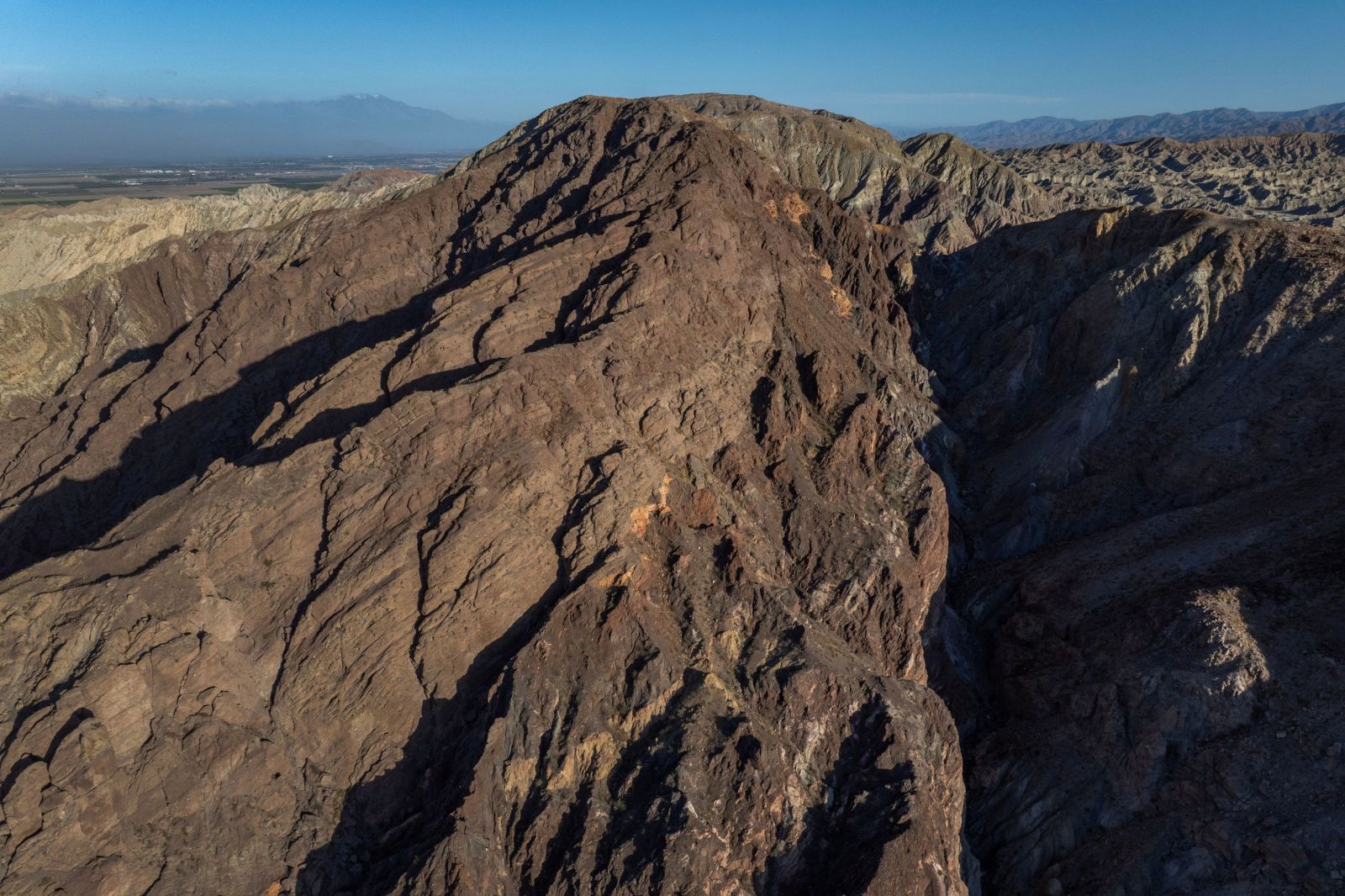
Tectonic Stress and Seismic Risk in Southern California
Researchers from the University of Hawaiʻi at Mānoa have found that tectonic stress along the San Andreas and San Jacinto fault systems in Southern California has reached the highest levels in the past 1,000 years. This research raises concerns about the region’s seismic risk.
According to the study, several fault segments are now at or above peak stress levels, indicating a ‘critically loaded state.’ This has direct implications for seismic risk analysis in one of the nation’s most populated and infrastructure-critical areas.
The Role of Cajon Pass
Cajon Pass, located northeast of Los Angeles, serves as a key junction between the faults. It may act as an ‘earthquake gate,’ either preventing or allowing ruptures to cross between the systems. A rupture involving both systems could be far more damaging, affecting densely populated areas such as Los Angeles, San Bernardino, Riverside, and the Coachella Valley.
Research Methodology
The research, published in the Journal of Geophysical Research: Solid Earth, employed a physics-based earthquake cycle model to simulate stress accumulation and release over 1,000 years. The model incorporated geological records, such as radiocarbon-dated sediments and tree-ring evidence, to estimate present-day stress levels.
Lead author Liliane Burkhard reported that multiple fault segments exhibit stress levels at or above the highest values seen in the past millennium. The model indicates that the region may be capable of a large rupture involving both fault systems.
“The stress that drives large earthquakes has been building continuously since 1857,” Burkhard stated. “Our model shows it has now exceeded anything we have seen in a thousand years of earthquake history.”
Preparedness and Risk
Burkhard emphasized the importance of earthquake preparedness. Residents of Southern California should know evacuation routes, maintain a communication plan with friends and family, and have an emergency kit ready with essentials such as water, food, and medication.
Decisions on infrastructure design, emergency planning, and building standards may benefit from this stress modeling approach. The study suggests the modeling technique could also be applied to complex fault intersections worldwide.