Tensions Over Control of Strait of Hormuz
President Donald Trump is pressing for a toll-free Strait of Hormuz as Iran asserts control over the maritime zone, including potential tolls. Through blockade measures and ongoing economic sanctions, the U.S. aims to exert control. Diplomatic efforts with Gulf allies add to the pressure on Iran’s nuclear ambitions.
An unusual pattern in maritime tracking transmissions was detected near the UAE’s major oil hub. This raised concerns just before Trump announced progress in peace talks with Iran, according to the AI maritime firm, Windward.
“Fujairah goes dark: AIS transmissions collapse after Iran’s PGSA announcement,” Windward warned. “Vessels are still in the area. They are loading less, and a meaningful number have gone dark,” the firm noted.
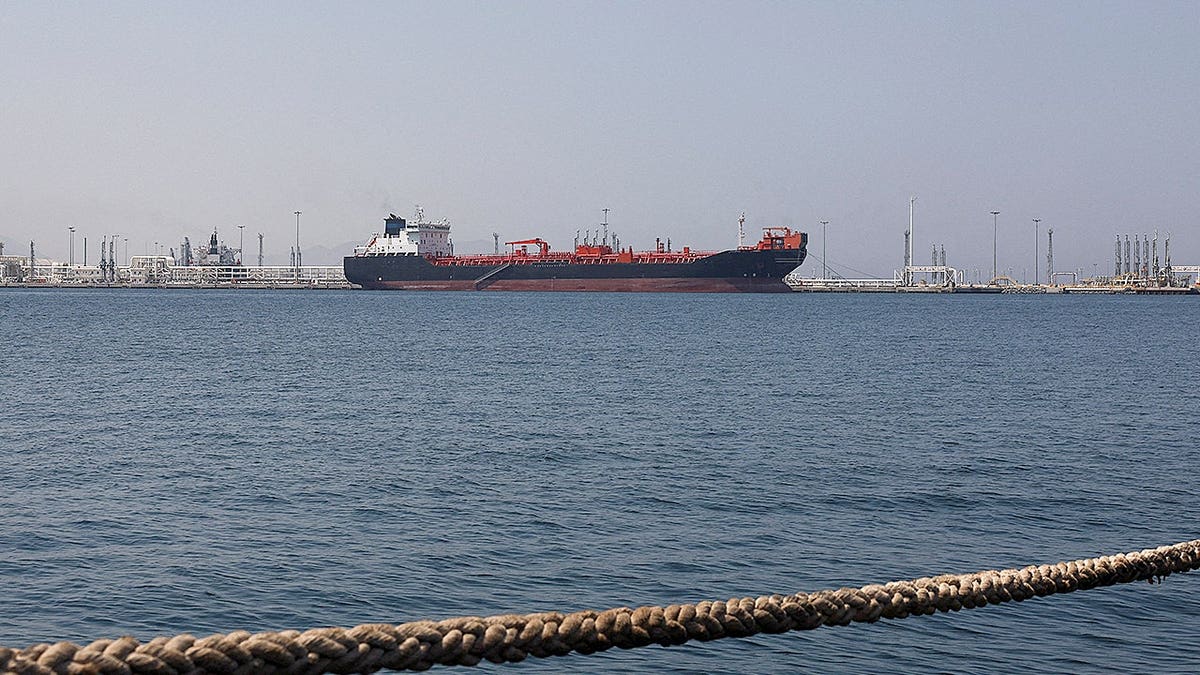
Shipping operations have been disrupted near Iran, with the U.S. preparing for potential military action. A tanker at Port of Fujairah highlights the limited marine traffic due to tension between the U.S., Israel, and Iran.
While Trump announced a peace deal was nearly complete, efforts to reopen the Strait of Hormuz included moving 1.35 million barrels of crude from Fujairah to South Korea. This marked a tentative resumption of oil flow from the key port.
However, Iran maintains control over the strait. Tehran asserts authority over transit routes and maritime licenses, viewing this as an exclusive sovereign right.
Since establishing the Persian Gulf Strait Authority (PGSA) on May 20, Iran requires detailed submissions from ships for safe passage. The Islamic Revolutionary Guard Corps (IRGC) Navy oversees these operations.
Ahead of the U.S.-Iran deal, Iran’s territorial claims extended beyond its waters, impacting Oman and the UAE. Experts note Iran’s reliance on the IRGC Navy’s tactics, including fast boats, drones, and coastal missiles.
Amid reports of nuclear negotiation progress and a 60-day ceasefire, the PGSA complicates global oil markets with economic leverage. This setup aids in pressuring rivals while favoring allies.
“Iran employs this mechanism to pressure rivals, favor allies, and normalize IRGC oversight of a critical energy route,” expert Alex Vatanka explained, adding that the system acts as a wartime extortion tool.
Noncompliant ships face potential delays, harassment, or denial of safe passage. This pressure prompts compliance without outright closing the strait.