The ‘Avoidance’ Election: Economic Concerns and Voter Motivations
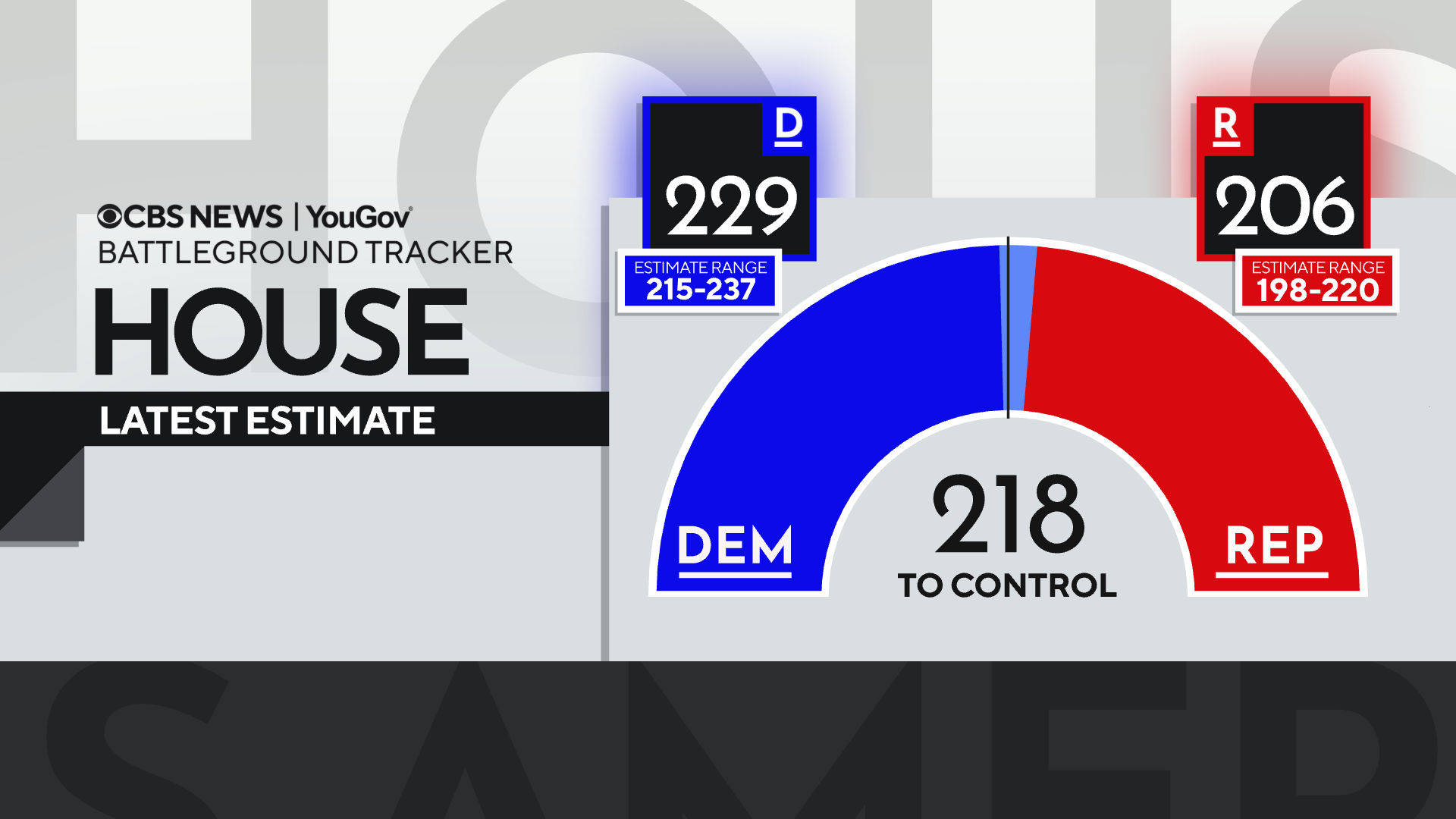
The upcoming election is characterized by voters being primarily motivated by prevention rather than gain. Amid economic worries, Democrats hold an advantage in the race for a House majority. The CBS News House model estimates Democrats leading for 229 seats. This model translates voter preferences into seats.
Though Democrats have maintained this edge, it hasn’t grown significantly. A potential for reaching into the 230s exists, but Republicans still have a narrow path to maintain majority. Undecided voters tend to lean Republican, which poses a key question for 2026.
Voter motivation seems driven by opposition. There is concern that gas prices may rise if Republicans win, but there’s no expectation for Democrats to lower them. Many voters feel neither party will improve their financial situation.
The President plays a significant role, with many voting for or against based on his influence. A substantial number are motivated by opposition to President Trump or Republican policies, more so than supporting Democratic policies.
Most Democrats intending to vote cite opposition to President Trump. This sentiment might limit Democratic gains. Among Republicans, particularly MAGA supporters, Trump is a key motivator.
Voter turnout is significant with Democrats showing stronger commitment to vote early or definitely. Many Republicans are seen as ‘probably’ or ‘maybe’ voters, which could shift the outcome if they become motivated.
Potential Outcomes
Few voters think gas prices will decrease regardless of the election outcome. The GOP is more associated with rising prices than Democrats. Voters generally think they’ll fare better financially under Democrats despite pessimism.
Concerns about government corruption are prevalent, with many expecting it to rise if Republicans hold Congress. Both parties see corruption as influencing their votes.
The ‘Trump Factor’
Mr. Trump significantly impacts voter motivation, especially among Democrats. Over 70% of Democratic voters aim to oppose him. For Republicans, Trump serves as a motivation, but to a lesser extent.
Opposing Mr. Trump and GOP policies are driving factors for Democrats, while Republicans express unfavorability towards Democrats.
Additional Issues
Voter perception of threats from the opposing party varies. Many Republicans, particularly MAGA supporters, view Democrats as a threat. Transgender issues rank as a significant factor for Republican voters.
Immigration Concerns
One-third of voters believe Democrats prioritize recent immigrants over citizens, backing Republicans in large numbers. Another third thinks Democrats value both groups, supporting Democrats.
Trump’s Economic Impact
The economy’s negative ratings continue to decline, with most voters blaming the president’s policies. Inflation and economic difficulties are top concerns.
Voters feel the president prioritizes his financial interests over public welfare, leading many to support Democrats. Republicans generally believe Mr. Trump prioritizes public financial interests.
Trump on the Campaign Trail
The president’s campaign appearances rally Republican bases but have limited impact on other Republicans. Most MAGA Republicans gain motivation from Trump campaigns, but non-MAGA Republicans don’t.
Confidence in Voting Process
Most voters are confident in local election administration and believe their votes will be accurately counted. Democrats express higher confidence than Republicans.
Republicans frequently believe in illegal voting by non-citizens in federal elections.
Survey Methodology
The CBS News/YouGov survey included 2,355 U.S. adults from October 21-23, 2026. The sample reflects national demographics and historical voting patterns, with a ±2.6 margin of error for the entire sample.
Estimates of Republican and Democratic seats are derived from CBS News and YouGov’s statistical model, calibrated with historical accuracy. They reflect current party standings and may evolve with new data.