The Complex Impacts of GLP-1 Drugs on Mental Health
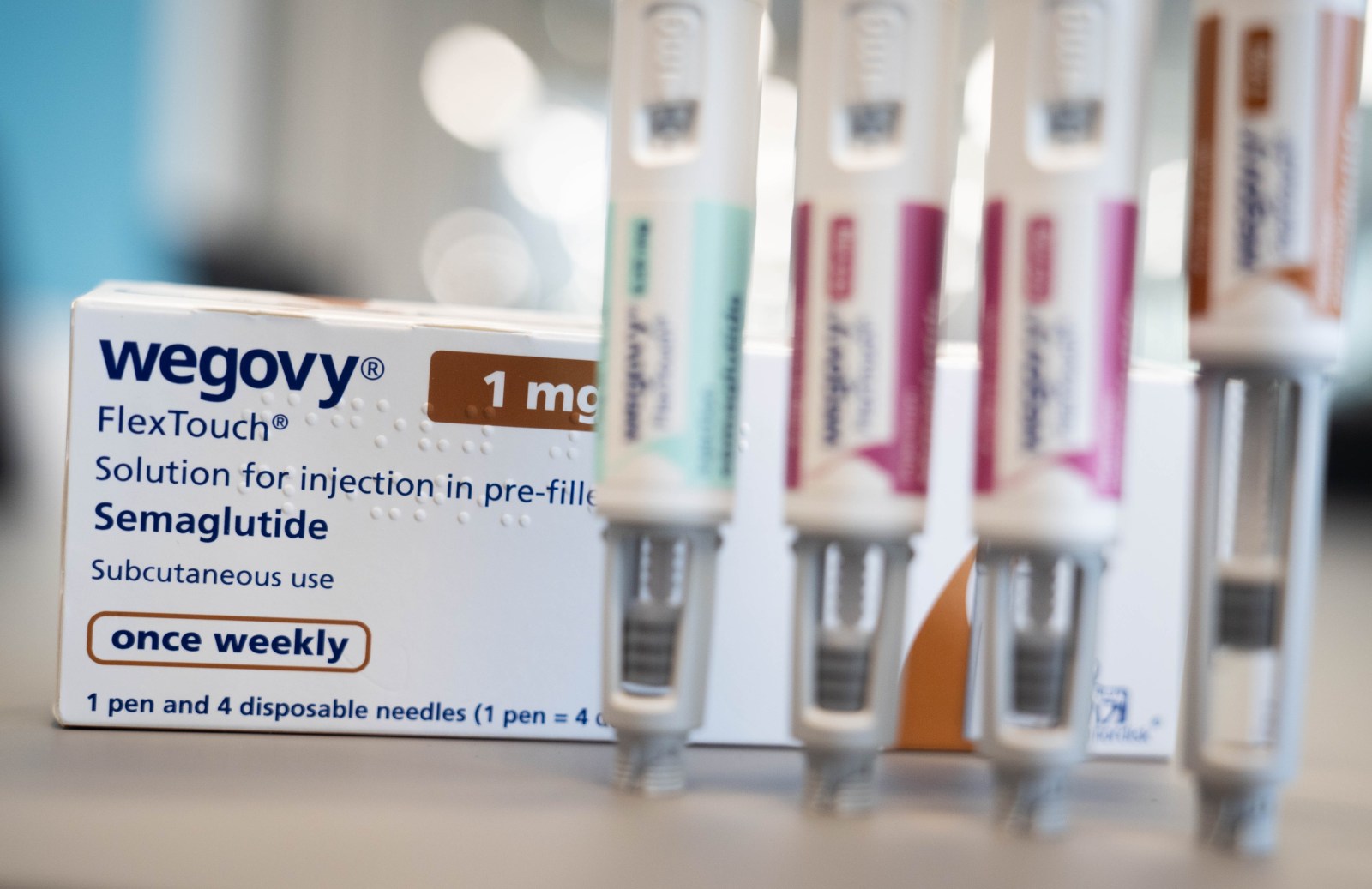
Drugs such as Ozempic and Wegovy, known as GLP-1 receptor agonists, have gained attention for their weight loss benefits. They work by reducing the urge to eat, mimicking hormones that promote satiety and slowing digestion. However, their effect on brain areas linked to reward, impulse, and mood raises questions about potential mental health risks.
Mental Health Concerns
Scott Kanoski from the University of Southern California highlights that GLP-1 drugs interact with brain regions involved in emotion and memory. However, the specifics of their impact remain unclear and might differ based on the patient and the drug.
A study found these drugs may reduce alcohol intake by 40%, but concerns exist regarding eating disorders and mental health. The American Psychological Association raised concerns that these drugs might dull dopamine responses beyond food, affecting other rewarding experiences.
The National Eating Disorders Association cautions against their use in individuals with eating disorders due to potential risks such as worsening conditions or misuse. Research from Chung Shan Medical University Hospital indicated possible risks of anxiety, depression, and suicidal tendencies associated with these medications.
Experts noted that GLP-1 drugs could both aid and hinder mental health, potentially triggering undesirable psychological effects.
Misuse and Access Issues
Dr. Sarah Boss of the BALANCE Rehab Clinic observed that one-third of their patients use GLP-1s without a clinical indication, often acquiring them without proper medical oversight. This raises misuse concerns as individuals may access these drugs online without adequate monitoring or follow-up.
Andrew Hardaway from the University of Alabama highlighted reports of “cosmetic abuse” of GLP-1s, where some use them inappropriately, presenting health risks.
Pamela Keel from Florida State University emphasized the need for more research to understand the drugs’ therapeutic risks and benefits.
Patients using these medications at the clinic often experienced increased anxiety and depressive episodes after injections but continued usage due to fear of weight gain.
Research and Evidence
Paul Kenny from the Friedman Brain Institute recognized that GLP-1s might have both beneficial and harmful effects on mental health, depending on various factors. He urged further research to explore the reasons for different responses among individuals.
Ali Güler from the University of Virginia noted these drugs should not be viewed as psychologically neutral, as they might pose risks in individuals with a history of restrictive eating or body-image issues.
Call for Personalized Care
Andrew Hardaway advocated for a personalized approach to GLP-1 usage, tailoring dosages to individual patients to maximize benefits while minimizing risks. He stressed the need for more scientific studies and clinical trials to better understand these drugs.