The Controversial Rise of the Los Angeles Dodgers
The Los Angeles Dodgers have dominated the baseball scene in recent years. Their turnaround began with the signing of Shohei Ohtani in late 2023. Following that, they added notable players like Yoshinobu Yamamoto, Teoscar Hernandez, and Tyler Glasnow, leading to a World Series victory over the New York Yankees in 2024.
Not content with one championship, the Dodgers bolstered their roster further. Tanner Scott and Blake Snell were added, and Roki Sasaki joined the team, choosing the Dodgers over other interested teams. They retained players like Tommy Edman and Teoscar Hernandez and claimed another World Series title.
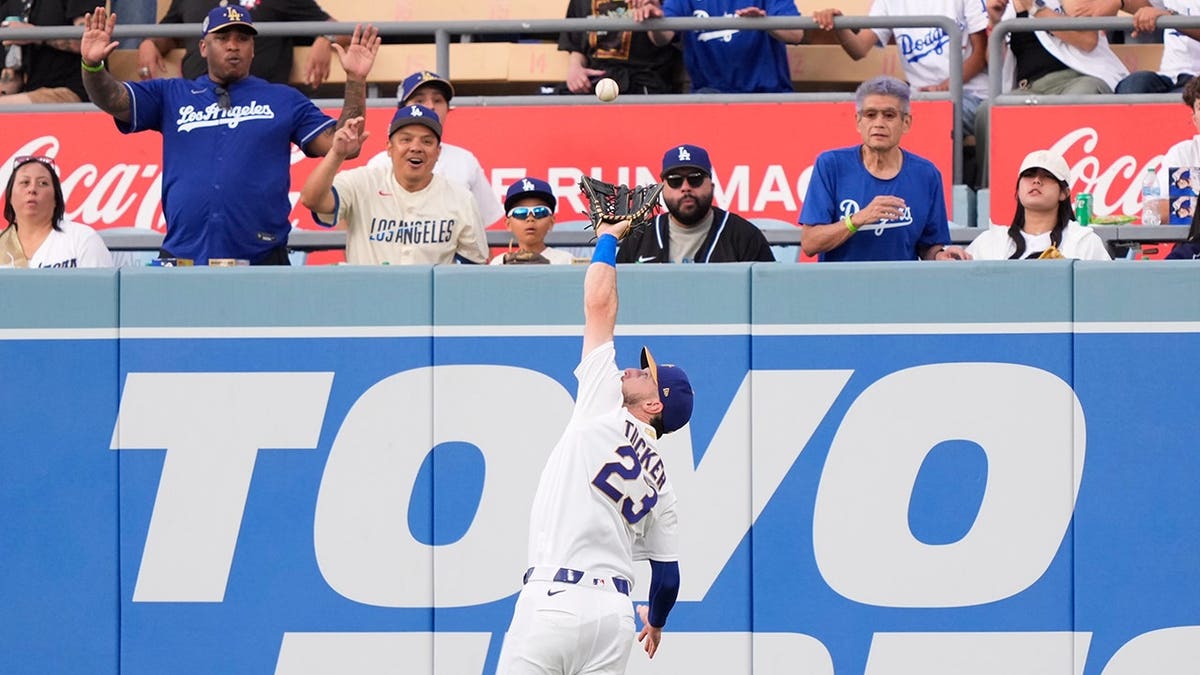
In the 2025-2026 offseason, the Dodgers made headlines by signing Kyle Tucker and Edwin Díaz. These moves fueled debates online about the team’s dominance, with some arguing that the only way to challenge them would be through a salary cap.
Issues with MLB’s Salary Cap Proposal
The season brought challenges. Tucker underperformed and Díaz had a disappointing ERA, resulting in a run of poor performances against teams like the Red Sox, Cubs, and Brewers. The Brewers, despite a smaller payroll, led the league standings. This difference in financial strength fueled discussions about the Dodgers’ competitive advantage.
A faction of fans criticizes the Dodgers’ expenditure, preferring an approach where teams don’t overspend on players. This sentiment grew when it was revealed that Dodgers’ part-owner Mark Walter was under federal investigation. The case involved potentially improper loans from insurance companies he controls.
The investigation centers on two insurance firms making substantial private-credit deals, many linked to Walter’s other businesses.
Questions about investor disclosures arose, and the total amount involved could be between $16 billion and $20 billion. This has raised further eyebrows, linking Walter’s financial dealings to his brief ownership of the Los Angeles Lakers, which he might sell due to these issues.
Misconceptions about Dodgers’ Financial Practises
Accusations have surfaced suggesting the Dodgers’ payroll benefits from financial improprieties. Some claim the large deferred payments in Ohtani’s contract are akin to a Ponzi scheme. However, such claims are inaccurate. Deferred contracts are a long-standing practice in Major League Baseball.
Many players, including Rafael Devers and Jose Ramirez, have significant deferred compensations. Deferred payments require teams to allocate the present value of these amounts into specific accounts within about two years.
Ohtani’s contract became a focal point. Misunderstandings abound, but his contract terms were his proposition, not a demand from the Dodgers. He offered similar terms to other teams, and they were accepted by several, not just the Dodgers.
Media Misrepresentation
Additional controversies mention the Dodgers and Walter owning part of Spectrum SportsNet LA. Yet, it’s not unique, as the Yankees also partly own the YES Network. Furthermore, Walter’s stake in the Dodgers is just 27%, indicating that his financial issues might not impact overall ownership significantly.
Despite the ongoing federal investigation, the Dodgers’ financial health appears stable. Reports suggest the team generates over $1 billion in revenue, bolstered by a television deal and other income streams. They benefit from an MLB rule exempting some TV income from revenue sharing, allowing for financial advantages.
Critics argue the Dodgers’ wealth is the product of savvy ownership and management. Other teams, like the Mets, also spend considerably but face different outcomes. Anger and rumor often override facts in public discourse.
In 2025, the Dodgers’ revenue exceeded $830 million, regardless of TV deal size. Mark Walter’s potential stake sale wouldn’t necessarily bankrupt the team. Deferred contracts remain legitimate, unrelated to Walter’s issues.