The Dual Histories of Slavery and Abolition in New England
New England’s history of abolition often overshadows the region’s substantial history of slavery. This obscured narrative significantly affected the lives of Black Americans during the Revolutionary War. The experiences of enslaved men who fought for freedom are crucial to understanding this period.
Lizzie Skurnick, working on a history of Black scholars in the Ivy Leagues, highlights these stories. Her exploration involves traveling across New England, uncovering tales of both abolition and slavery.
As the Revolutionary War approached, some 1,500 minutemen assembled in Massachusetts at Harvard University. Structures were overcrowded, with soldiers filling barracks. The landscape was stripped of trees for fuel, providing colonial troops an open view across Boston Harbor. Research reveals that approximately 10% of these soldiers were Black.
Places like Massachusetts saw mansions in Cambridge funded by plantations in Antigua. Churches in Andover had balconies where enslaved people were forced to worship. In Newport, Rhode Island, children were bartered for goods, highlighting the deep entrenchment of slavery in the region.
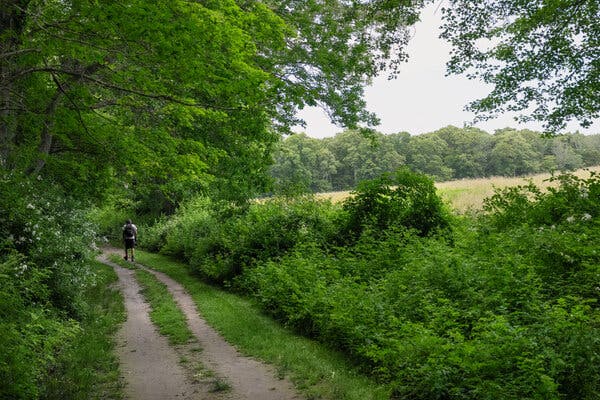
The Black Americans who participated in the Revolutionary War emerged from such environments. Despite living in picturesque New England settings, they experienced severe constraints. They faced familial separations and lived in cramped, uncomfortable quarters.
In 2025, Boston’s Museum of African American History launched an exhibit titled “Black Voices of the Revolution.” This exhibition showcases the experiences of Black men and women during wartime.
At the onset of the war with Britain, Black Americans confronted a harsh reality. They could either join their enslavers in battle or gamble on the uncertain promise of freedom offered by Lord Dunmore. This loyalist governor’s offer was aimed at those enslaved by patriots, enticing them to join “His Majesty’s troops.”