The Dutch Euthanasia Case Involving a 1-Year-Old: A Complex Ethical Discussion
The Dutch review board affirmed that a doctor followed procedures correctly when performing euthanasia on a 1-year-old with severe disabilities. The case has initiated a global debate on who should be responsible for making end-of-life decisions for non-communicative children.
The child, who passed away in late 2025, was mentioned in the Dutch parliament by Health Minister Sophie Hermans. This represents the first known application of rules recently updated in 2024, allowing euthanasia for children experiencing unbearable, untreatable suffering. Netherlands regulations require a review for all late-term abortions and end-of-life decisions for children under 12. An ethics board, legal expert, and medical specialist collectively determine whether the physician complied with standards, and they share their results with the doctor and law enforcement.
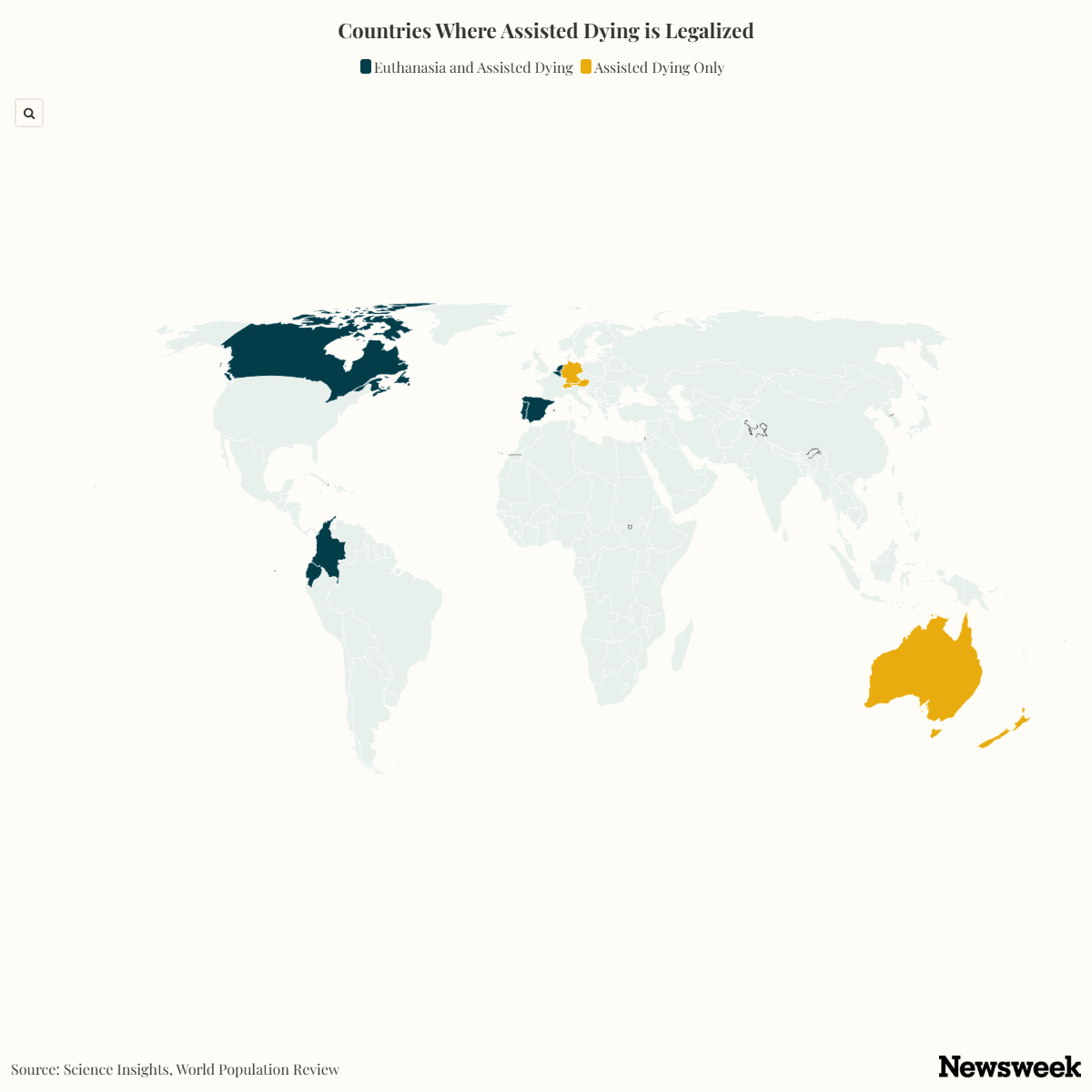
Location of Euthanasia Laws
While the Netherlands’ laws are surprisingly broad, Belgium, Spain, Canada, Colombia, and Ecuador also allow euthanasia or assisted dying under certain terms.
Details of the Child Involved
The identity of the child remains private. Reports specify diagnoses, including severe epilepsy, brain damage, visual impairment, and cerebral palsy. The child was born abroad, severely premature at 26 weeks and 3 days.
Due to the child’s inability to communicate, the diagnosis, prognosis, and treatment possibilities were thoroughly discussed with the parents. Extensive evaluations revealed worsening clinical conditions. The parents requested the termination of life, and discussions with the physician confirmed their consistent position.
The physician administered sedation using midazolam and morphine, followed by coma-inducing substances, resulting in the child’s deep sedation and subsequent death.
Reasoning Behind Doctor’s Decision
The treating doctor expressed hope that the ruling offers options to families in similar dire situations. He stated feeling vulnerable due to the unprecedented nature of the case.
Some medical professionals opposed the decision, arguing the child did not suffer continuously and all possible treatments had not been fully tried, according to debates reported.
A former physician, now Dutch bishops’ conference chair, argued for palliative care as sufficient and optimal care in these scenarios.
Potential for Similar U.S. Cases
Euthanasia is currently outlawed in the United States. Physician-assisted dying is restricted to specific competent adults in select states. According to Thaddeus Mason Pope, a law professor, more nations are exploring euthanasia for children.
Pope noted the U.S. permits the withdrawal of life-sustaining treatments. Thus, they might allow euthanasia if aligned with patient interests or perceived patient wishes.
The U.S., however, is unlikely to emulate the Dutch model. Globally, jurisdictions allowing medical aid in dying usually require self-decision. No U.S. moves permit minors or guardians to decide for incapacitated children.
If you or someone close is considering suicide, contact the 988 Suicide and Crisis Lifeline by dialing 988, text “988” to the Crisis Text Line at 741741, or visit 988lifeline.org.