The Evolution of Los Angeles Transit: From Personal Rapid Transit to Today’s Challenges
Fifty years ago, Los Angeles braced itself for a transportation revolution. Advocates introduced a novel concept that seemed ideal for the car-centric city. This innovation promised to merge the privacy of personal vehicles with the efficiency of mass transit. Angelenos were expected to cling to their cars despite evident environmental implications like smog from car exhaust and the memories of the Arab oil embargo’s fuel shortages.
A few days after celebrating the U.S. bicentennial in 1976, C.G. Burke, a USC instructor, proposed an ambitious innovation through an article in the Los Angeles Times: ‘personal rapid transit’ (PRT). This system featured elevated guideways designed to float above main roads of Los Angeles. The plan embraced electric-powered pods, which offered passengers privacy while integrating them into a larger transit network. The pods, intended primarily for solo travel, proposed the convenience of car travel and prioritized reducing emissions.
“Public transportation need not be a form of punishment, forced on an unhappy urban population,” Burke advocated in his writings.
The idea encompassed a bold vision: 232 miles of track with 89 stations. These emission-free vehicles promised stops every few blocks, potentially reaching speeds of 60 mph on express routes. Supporters voiced that PRT offered more privacy and a faster commute than traditional public transportation, resonating with automobile-centric Los Angeles residents.
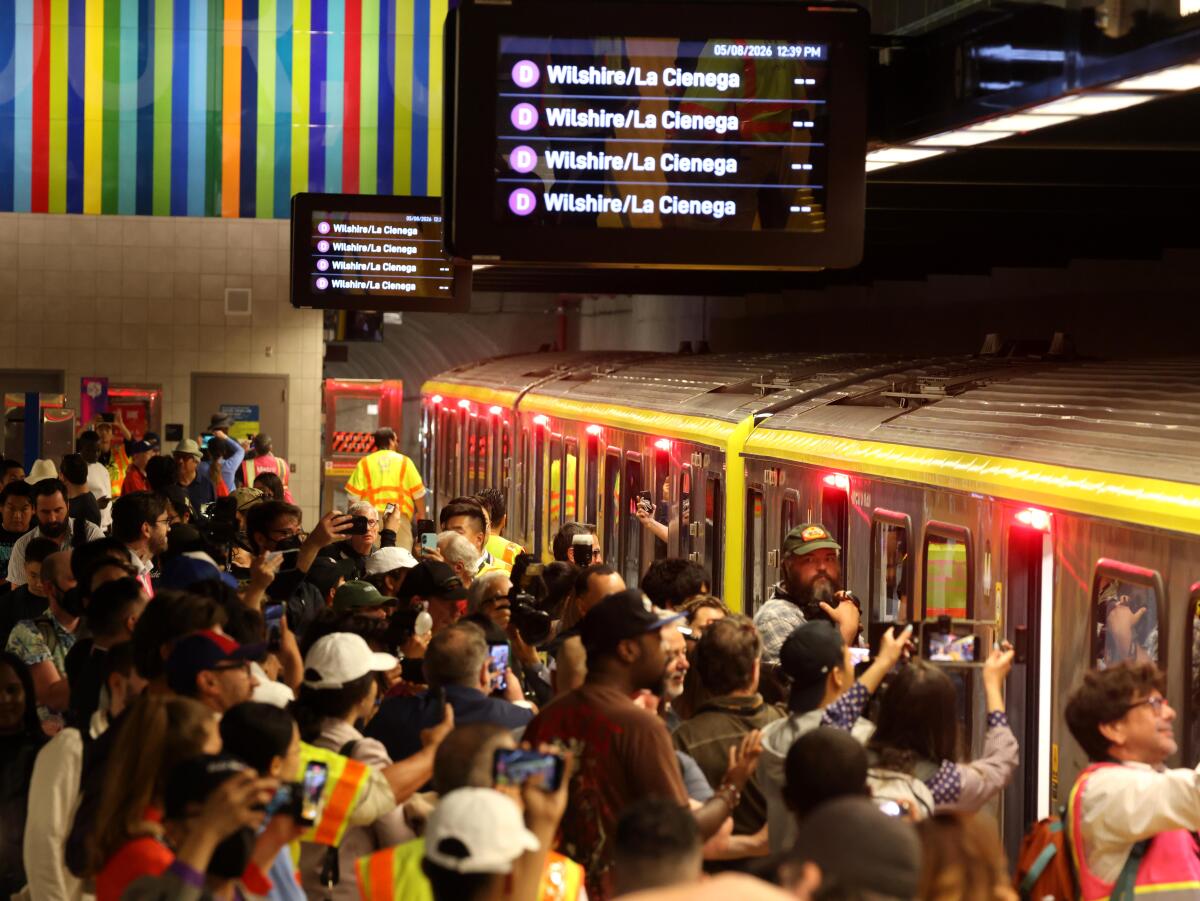
Yet, the excitement faded. Skeptics questioned its feasibility, costs, and potential disruption to the urban landscape. While Mayor Tom Bradley pushed for a subway under Wilshire Boulevard, others remained cautious of large rail projects. As a result, L.A.’s transit ambitions lagged for years. A subway on Wilshire was only completed in 2026.
Current Transit Dynamics
Looking back, the debate over Los Angeles’s ‘perfect car’ demonstrates how perspectives on transit have evolved. Public enthusiasm has grown, with many residents now acknowledging the limitations of car-dependent lifestyles. Tax initiatives favored the establishment of a broader rail network, marking a shift in public cooperation.
However, solo car commuting still dominates. Rail and bus networks linger behind required passenger numbers. Current frustrations arise not over the creation of transit solutions but their sluggish implementation. Delays, such as those affecting the LAX people mover system, have led to widespread dissatisfaction. Nonetheless, few contest the necessity of such infrastructure development.
The concept of PRT might seem remote today, yet self-driving cars offer a modern parallel. Electric vehicles designed for individual passengers promise potential transformations in urban transportation akin to those once envisioned by proponents of PRT. The future remains open for exploring their impact on city life, though challenges persist.
For Los Angeles, evolving transportation forms fuel ongoing discussions. Between aspirations and practicalities, the city’s journey underscores the value of innovation tempered by realistic implementation.