The Evolution of Supreme Court Oral Arguments: Challenges and Perspectives
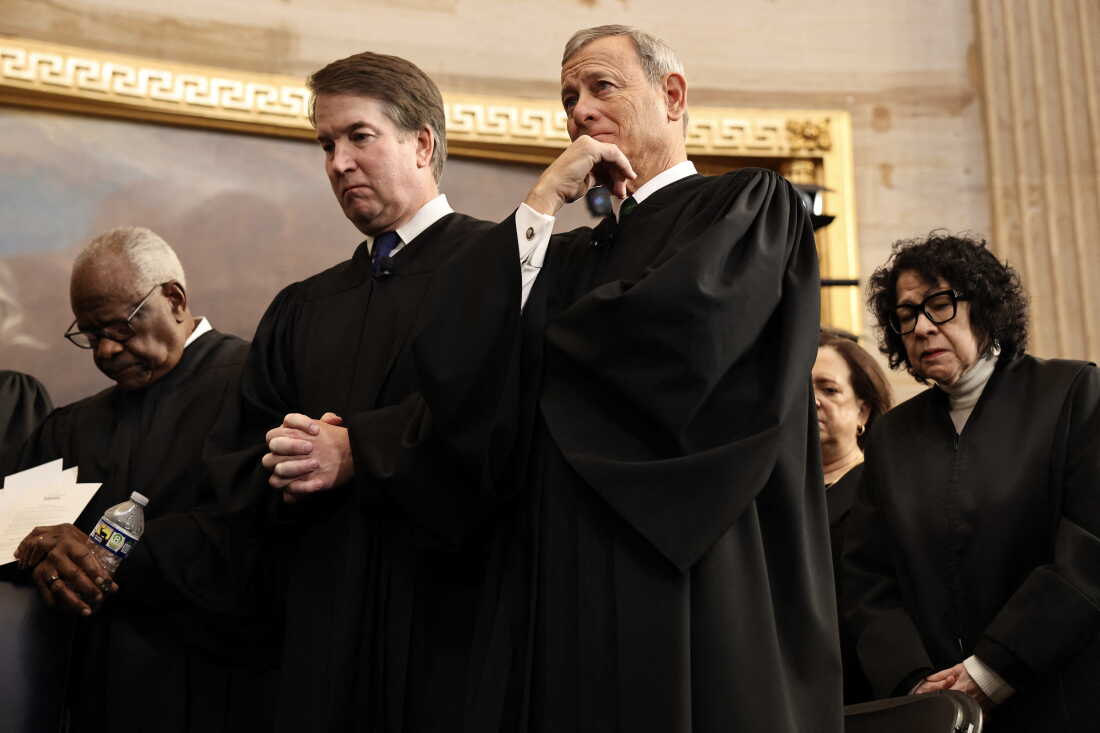
In recent years, arguments at the United States Supreme Court have become lengthier. While sessions used to last an hour, they now often extend much longer, testing the patience of some justices. Chief Justice John Roberts has acknowledged this issue and is contemplating changes for the upcoming term.
Historically, oral arguments were tightly controlled. The late Chief Justice William Rehnquist was known for keeping arguments succinct, cutting off even renowned legal figures like Laurence Tribe and Brett Kavanaugh when time expired. This strict approach has evolved significantly.
Adam Feldman, an analyst at the Supreme Court, notes that many cases now exceed the traditional 60 minutes, sometimes stretching to 90 minutes or more. The COVID-19 pandemic brought about changes in the format. Judges adapted by allowing uninterrupted introductions and individual time for questions, a necessity during phone-based sessions when justices couldn’t see each other.
Tonja Jacobi, a law professor at Emory University, highlights the importance of oral arguments as a transparent aspect of the Supreme Court’s decision-making process. Despite a decline in public perception, these arguments remain accessible.
The pandemic-induced changes have generally been well-received. Justice Clarence Thomas, previously known for his silence during arguments, now actively participates, reflecting an increase in his seniority’s influence on proceedings.
Jacobi acknowledges the format’s impact on reducing interruptions of female justices by their male colleagues. However, she argues that while the dedicated speaking time is meant to address these disparities, rates of interruption have not improved significantly. Oral arguments often lack the potential for persuasion due to the court’s polarization.
Among the justices, Ketanji Brown Jackson and Sonia Sotomayor, who align with the court’s liberal faction, speak the most during arguments. Jacobi explains that justices anticipating being on the losing side may engage more actively to sway opinions.
Chief Justice Roberts recognizes the challenges posed by extended oral arguments. He has expressed concerns about the length and is considering ways to shorten them. Jeff Wall, former acting Solicitor General, compares managing these arguments to a conference call where one struggles to curb prolonged discussions.
Feldman suggests that Roberts is carefully navigating the issue, aiming to balance court management without alienating fellow justices. Jacobi adds that some cases could justifiably require longer deliberation, drawing comparisons to jurisdictions like Australia, where arguments span days.
Potential changes to the format will be observed as the Supreme Court begins its term on October 5.