The Evolving Role of First Ladies and First Spouses
Breaking Traditions in California
Jennifer Siebel Newsom, wife of California Governor Gavin Newsom, has opted for the title “first partner” instead of “first lady.” This decision marks a shift in challenging traditional gender roles in politics. It is a path not yet formally taken by any U.S. president’s spouse.
Maria Shriver, wife of Arnold Schwarzenegger, began her role reluctantly. Despite initial resistance, Shriver revamped the state history museum, created a significant Women’s Conference, and initiated financial programs during the recession. Reflecting on her tenure, she considered it one of her most rewarding positions.
Anne Gust Brown, spouse of Jerry Brown, worked mostly behind the scenes. Having played crucial roles in her husband’s political efforts, she never embraced the title of first lady.
Challenges at the National Level
Martha Washington, America’s inaugural first lady, expressed dissatisfaction with her role. In correspondence, she described feeling restrained and likened her life to being a “state prisoner.” Nonetheless, she accepted her duties solemnly.
Jacqueline Kennedy rejected the title of first lady entirely, preferring being addressed by her name instead. Her sentiment echoed the traditional constraints linked to the role.
Eleanor Roosevelt defied norms by acting as Franklin D. Roosevelt’s proxy, attending wartime theaters and writing columns. Despite facing criticism, she maintained her advocacy efforts.
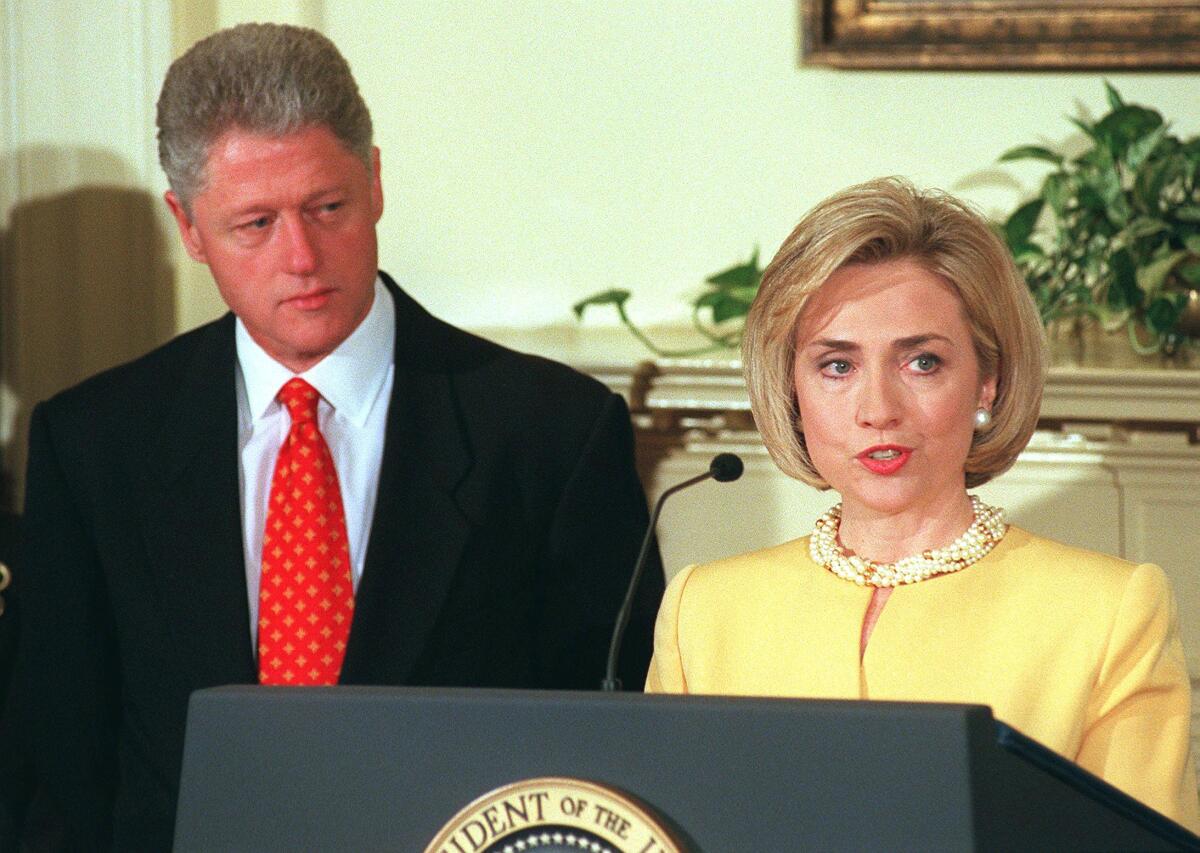
Hillary Clinton faced backlash when involved in major policy development during her husband’s presidency, highlighting the uneasy intersection between political influence and the unofficial role.
Subsequent first ladies like Laura Bush and Michelle Obama embraced less polarizing public projects. Obama focused on nutrition amidst racial and gender-based critiques.
A New Generation of First Spouses
Jill Biden exemplifies modernity by retaining her teaching profession alongside her first lady responsibilities. Sociology experts suggest evolving gender and identity dynamics will redefine these roles over time.
Debbie Walsh comments on the intersectionality affecting women in these roles. Siebel Newsom’s nontraditional designation might expose her to criticism amid transitions in societal expectations.
Walsh and Barbara A. Perry emphasize caution, suggesting resistance towards change in traditionalist circles, highlighting the complex adaptability of gender roles in politics.