The Historic Dining Legacy of Middleton Tavern and Colonial America
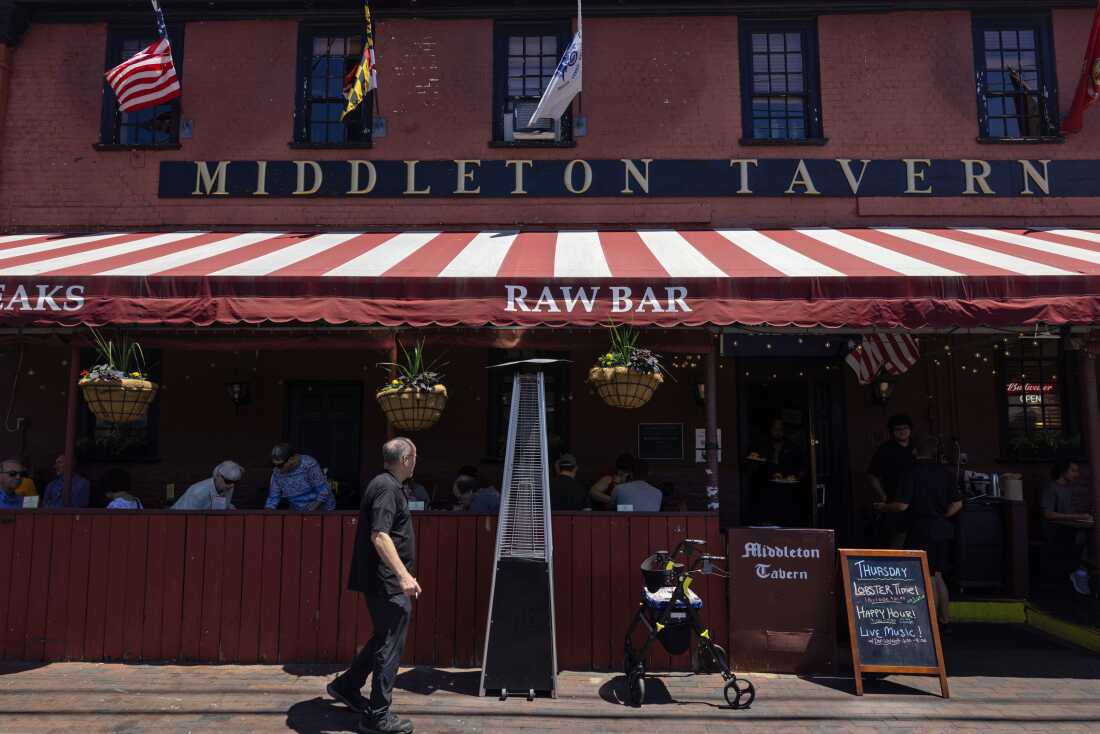
Middleton Tavern in Annapolis, Md., established in 1750, stands out as one of the oldest continuously running taverns in the United States. Located in a city where history remains a living experience, the tavern’s legacy offers a look into dining trends and lifestyles spanning more than two centuries.
The Long Service of Chef Arthur Gross
Arthur Gross, the current chef, has been at the helm of the kitchen for 50 years. Working in a venue that predates American independence, Gross regularly reflects on what life and cuisine were like during the tavern’s early days. In 1776, colonists in Maryland relied heavily on seafood. Today, at Middleton Tavern, Gross orders similar staples including large quantities of rockfish, crab claw meat, and calamari, maintaining a connection to the past.
Food as a Status Symbol in Colonial Times
During America’s formative years, food was more than sustenance; it was a mark of wealth and status. As Dana Connett from Historic Annapolis notes, in 1776 social class decided dietary habits, while some colonists sought to emulate European dining opulence. Displays at William Paca House, home of a Maryland governor, showcase a dining culture rich in imported goods and European recipes.
Colonial Culinary Influences
The Founding Fathers, Washington and Jefferson among them, were instrumental in setting culinary trends. While Jefferson experimented with recipes like macaroni and cheese, Washington aimed for less ostentatious dining. Yet, both leaders relied on enslaved chefs, including James Hemings and Hercules Posey, illustrating a darker context to the era’s gastronomic development. The influence of these chefs and other enslaved cooks introduced key ingredients still prevalent in modern American cuisine, such as red pepper and okra.
Tavern Life and the Common Folk
Taverns were central to the social and economic structure, serving as gathering places for both elite and common people. Middleton’s itself was a bustling venue for sailors and merchants. A visit to places like the Hogshead Trades Museum reveals how average citizens subsisted on simpler fare that today points to an anti-processed food trend, stressing natural options like pork and ham.
The Role of Alcohol in Colonial Times
In the absence of clean water, colonists heavily consumed beer and wine. The sheer volume of alcohol consumed was notable, reinforcing the tavern’s role as a communal hub.
Modern Reflections on the Past
Today, America’s cuisine is more globally diverse. Chef Arthur Gross at Middleton Tavern acknowledges the building’s historical essence but focuses on present tasks, echoing a continuity of culinary evolution. The tavern remains a place where past and present subtly intertwine, offering visitors both history and hospitality.