The Spiritual Resonance of the Shofar in Jewish Rituals
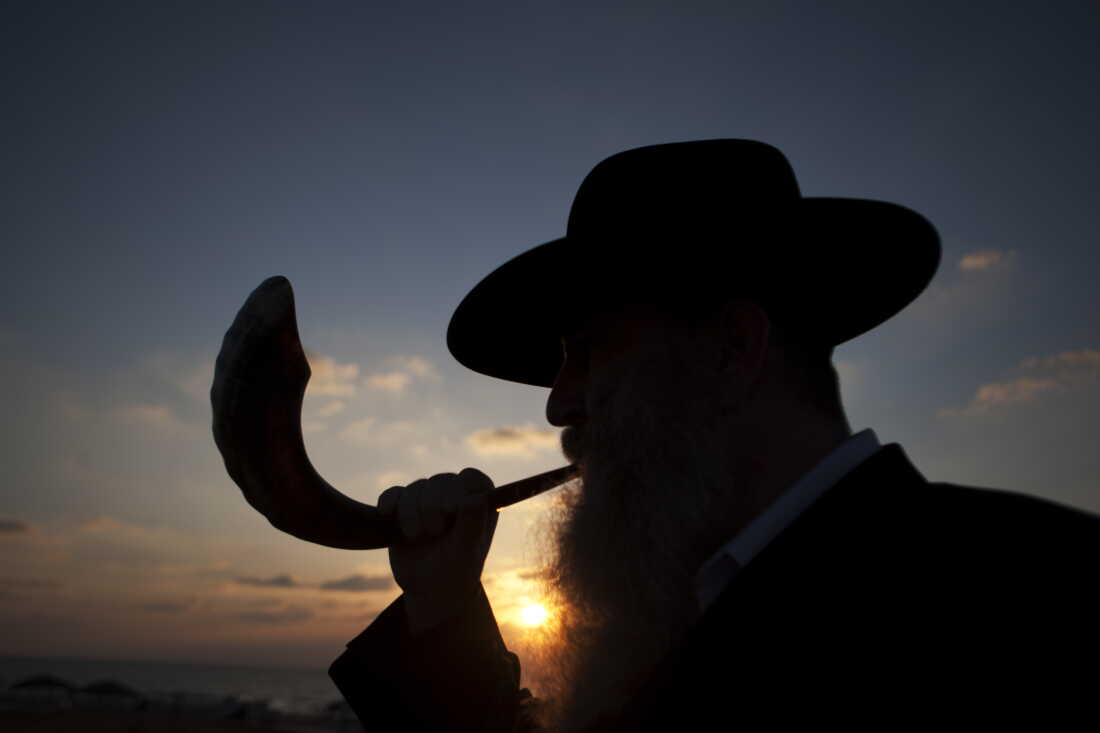
A man plays a shofar during a Rosh Hashanah ceremony in Israel. This horn can vary, from the small, curved horn of a ram to the dramatic spiral of an African antelope. Its sound is unmistakable. Playing it requires some practice, says Rabbi Alicia Jo Rabins, a musician based in Portland, Oregon. You inhale deeply and purse your lips, similar to playing a brass instrument.
Rosh Hashanah, the Jewish New Year, starts at sunset on Friday. Jews around the globe will engage in prayer, reflection, and celebration for two days. For many, hearing the shofar is a highlight, as it is an animal’s horn played like a trumpet.
The Role of the Shofar
How did this ancient instrument become a staple of the holiday? Daniel Picus, an associate professor at Western Washington University, explains, “The most basic answer is that it makes noise, calling people to attention.” In the Hebrew Bible, the shofar serves this function consistently. It marked the revelation of the Torah at Mt. Sinai and the beginning of the Jubilee year. Priests used it when surrounding Jericho, bringing down the walls. The shofar signifies major emotional and spiritual moments, including Rosh Hashanah.
The shofar’s connection with Rosh Hashanah lies in the Biblical text. – Daniel Picus
Centuries later, the Mishnah provided more detail about the shofar, explaining its preparation and use. It addressed how the horn should be hollowed, repaired, and play complexity—considering debates over linguistic interpretation. The debate extends to whether it can be used when Rosh Hashanah falls on Shabbat. Some contemporary synagogues have adapted practices over time.
Interpreting the Shofar’s Sound
Debate about the shofar’s meaning has persisted. Rabbi Micha’el Rosenberg, from the Hadar Institute in New York, highlights how the shofar’s sound resembles cries of anguish. He cites biblical stories—like Sisera’s mother or a woman’s labor pain. Especially in broken staccato blasts called “teruah,” the cries seem gasping.
Maimonides, a medieval rabbi known as the Rambam, describes the shofar blast as a spiritual awakening. It serves as a reminder to become the best version of oneself, transcending the limited focus on one’s surroundings.
Rosenberg notes Hasidic views equating the shofar’s use with the breath of life across the universe. Yet, its lack of words is its strength. “It transcends my words and rational thoughts,” he observes, aiming to capture feelings worth retaining.
Rabbi Rabins emphasizes the shofar’s ability to resonate across generations. It has linked Jews for thousands of years. The sound can awaken thoughts of life’s joys and sorrows, from celebration to lament. It commands attention, urging a focus on both the current moment and the future.
This article is a collaboration between NPR and Religion News Service.