Trump Administration’s Economic Strategy Against Iran
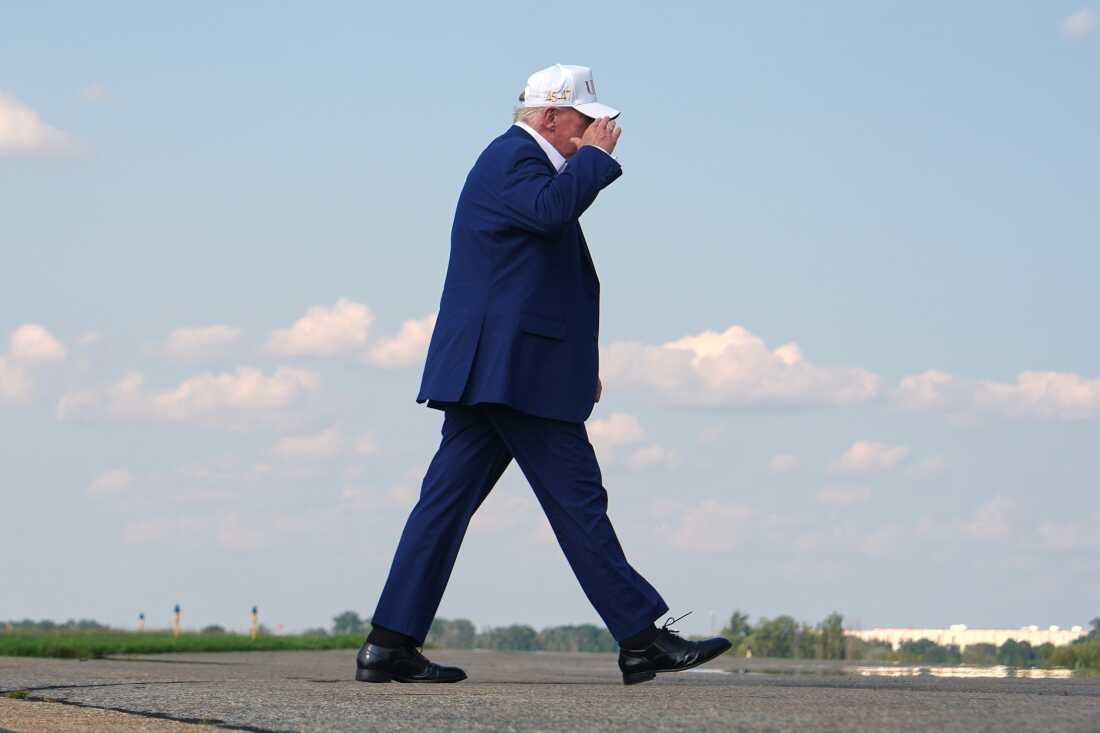
President Donald Trump embarked on a new approach in his ongoing conflict with Iran by leveraging economic strategies. Despite years of economic pressure failing to curb Iran’s nuclear ambitions, Trump asserts that another financial squeeze might now prove effective.
Economic Pressure and Military Actions
The Trump administration contends that persistent bombings have severely impacted Iran’s economy. The goal is to compel Iranian leadership to cease its nuclear program and fully reopen the Strait of Hormuz, a crucial waterway for oil and natural gas transit.
In response to Iran’s demand for compensation in peace talks, Trump plans to reciprocate with similar demands, presenting this shift as a move towards financial dominance.
Claims of Economic Collapse
Trump argues that Iran is on the brink of financial ruin, citing massive inflation and unpaid soldiers. Though official estimates of inflation are lower than Trump’s figures, Iran’s economic struggles are evident. These financial difficulties also risk affecting other nations, including the U.S., with potential inflation due to prolonged conflict.
Impact on Global Markets
Crude oil prices surged following Trump’s remarks, indicating investor concerns over reduced traffic through the Strait of Hormuz and limited energy supplies globally. This strategic point, previously handling about 20% of global oil supplies, remains a significant leverage tool for Iran.
Iran’s Response and Sanctions’ Efficacy
“Whenever Washington proves itself incapable of pursuing diplomacy, it retreats into sanctions.” – Esmaeil Baqaei, Iranian Foreign Ministry
Iran remains defiant against heightened financial sanctions. Critics like Richard Nephew from Columbia University argue that without clear strategic goals, sanctions alone may not suffice. Sanctions take time to impact, and quick results are unlikely.
The initiative, named ‘Operation Economic Fury,’ aims to intensify sanctions, affecting countries trading with Iran. However, the effectiveness of these measures, compared to direct military actions, remains debated.
Long-Term Strategy and Challenges
Experts like Juan Zarate, a former deputy national security adviser, recognize the potential of sanctions but caution about the patience required for them to yield results. Past presidents used similar tactics, but Trump criticizes their lack of intensity. Nonetheless, his recent pivot to economic tactics represents a shift in strategy.
Trump argues that U.S. citizens can better weather economic disruptions than Iranians. He emphasizes America’s strong economy as an asset in applying pressure on adversaries. Defense Secretary Pete Hegseth supports this view, highlighting the U.S. Treasury’s ability to exert substantial economic pressure.