Trump Signals Openness to Resolving Trade Dispute with Canada Amid Midterms
Trade Negotiations Resume
President Donald Trump has expressed a more conciliatory stance towards Canada, following conversations about trade negotiations between the two nations. Economic concerns in the U.S. have significantly influenced the lead-up to the midterms on Tuesday.
Canadian Prime Minister Mark Carney announced via a post on X that he spoke with President Trump regarding an end to the prolonged trade dispute. Officials from both countries are gearing up for renewed negotiations.
Trump verified the discussion and indicated that an agreement might be near, after months of tariff-related issues that have tested the relationship between the neighboring countries.
Election Day Significance
The potential trade talks are critical for the president as Americans are casting votes in high numbers before Election Day on November 3. The cost of living remains a major concern, while Trump’s economic management faces heightened scrutiny.
His tariffs on Canadian imports aim to protect U.S. industries and secure stronger trade terms, yet they have imposed difficulties on American businesses relying on cross-border trade.
Carney described his conversation with Trump as productive, highlighting discussions on forming an agreement to support jobs, enhance affordability, and uphold Canada’s sovereignty. Teams from both countries will collaborate over the coming weeks to realize these objectives.
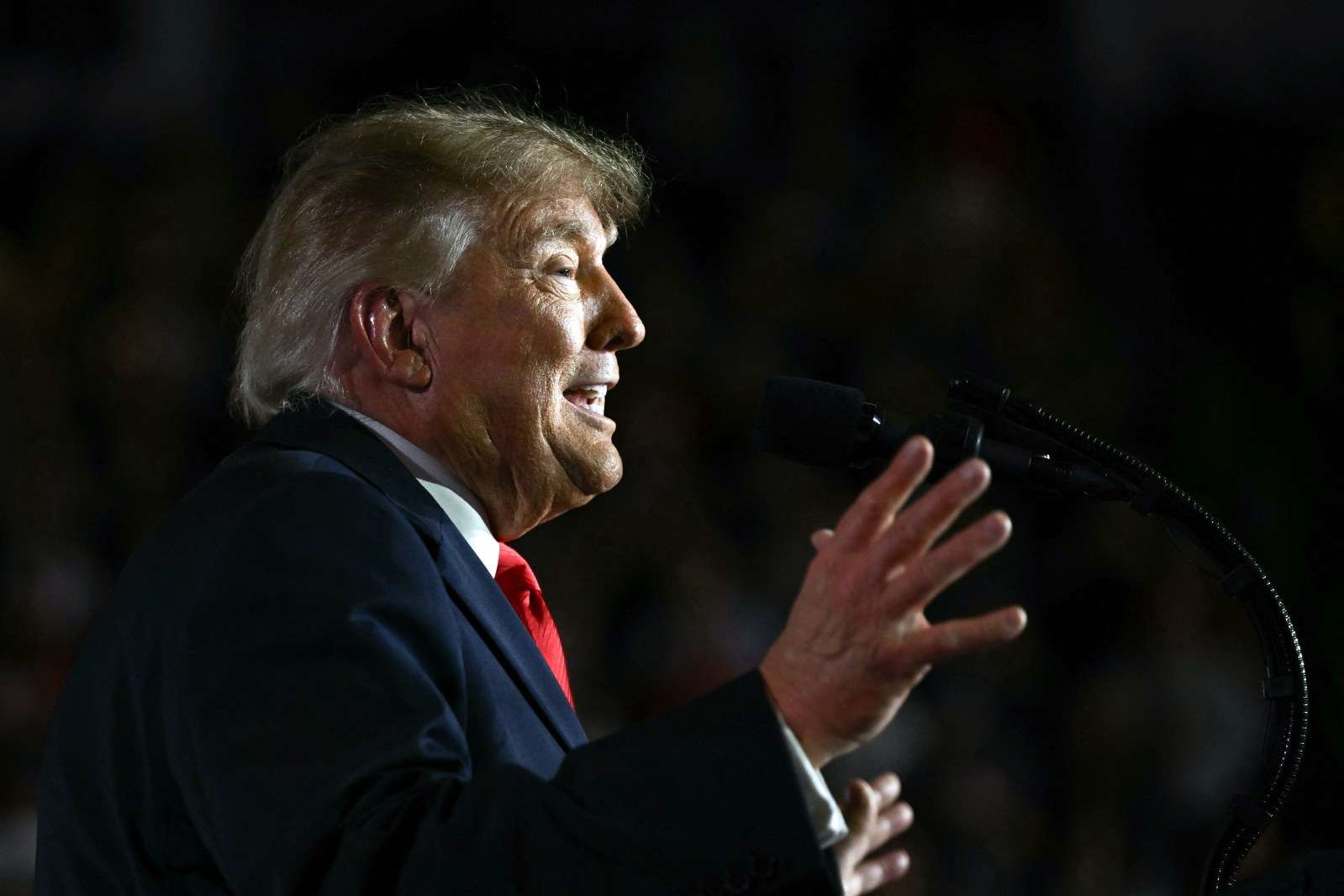
During remarks in Iowa, Trump shared an optimistic view, noting the concept of a positive deal with Canada. He hinted that an accord might favor American farmers and mentioned the possibility of reviving the Keystone XL oil pipeline, previously blocked by President Joe Biden in 2021.
Though the media quickly covered the exchange, the terms of a deal have not been finalized, and negotiations are projected to extend past Tuesday’s election.
Shift in Relations
This open dialogue signifies a shift from the confrontational interactions that have characterized U.S.-Canada relations in recent months.
In August, Canada withdrew from negotiations after rejecting U.S. demands, which Carney claimed would compromise Canadian sovereignty, French-language protections, and the nation’s automotive industry.
Subsequently, Trump applied 50 percent tariffs on approximately $20 billion of Canadian goods, provoking Ottawa’s retaliatory measures.
The conflict has had repercussions on both sides of the border. Many U.S. manufacturers rely on Canadian steel, aluminum, and auto components, while farmers and other exporters depend on Canadian consumers.
The tariffs elevated costs for businesses importing Canadian goods, and Ottawa’s retaliatory duties made U.S. products pricier for Canadian buyers.
These influences are especially pertinent in critical midterm races, notably in states like Michigan, where the car industry is heavily dependent on cross-border operations.
Economic and Political Context
Tariffs have emerged as a focal point in other northern states such as Maine, with Trump facing political challenges linked to the prospect of easing tariff tensions.
An October 26 survey by Reuters/Ipsos placed Trump’s approval rating at 32 percent, noting that 73 percent of participants believe the cost of living is deteriorating.
The poll additionally revealed a lead for Democrats over Republicans, 47 percent to 36 percent among registered voters ahead of the midterms.
Economic data further underscores household pressure. The Bureau of Labor Statistics reported a 3.7 percent rise in consumer prices for the year leading to September, alongside a 9.1 percent increase in gasoline prices for the month.
Consumer confidence has dwindled as evidenced by the University of Michigan’s index, dropping to 48.0 in October from 53.6 the previous year.
Trump maintains that tariffs bolster U.S. manufacturing, safeguard jobs, and enhance negotiation leverage. However, these measures have exposed American firms to elevated costs and uncertainty, particularly those reliant on supply chains extending into Canada.
An agreement with Ottawa might have alleviated some pressures, though the scope of concessions from each party remains unconfirmed.
Regardless of Trump’s optimistic rhetoric, Canada has been increasingly exploring economic opportunities beyond the U.S. Carney committed to doubling Canadian exports to countries outside the U.S. over the upcoming decade.
Nonetheless, Canada’s economy is intricately linked to the U.S., with about 70 percent of exports directed southward.
Uncertainty persists regarding whether Trump’s more agreeable approach will culminate in a concrete agreement between the North American neighbors.