Trump’s Stand on AI Safeguards
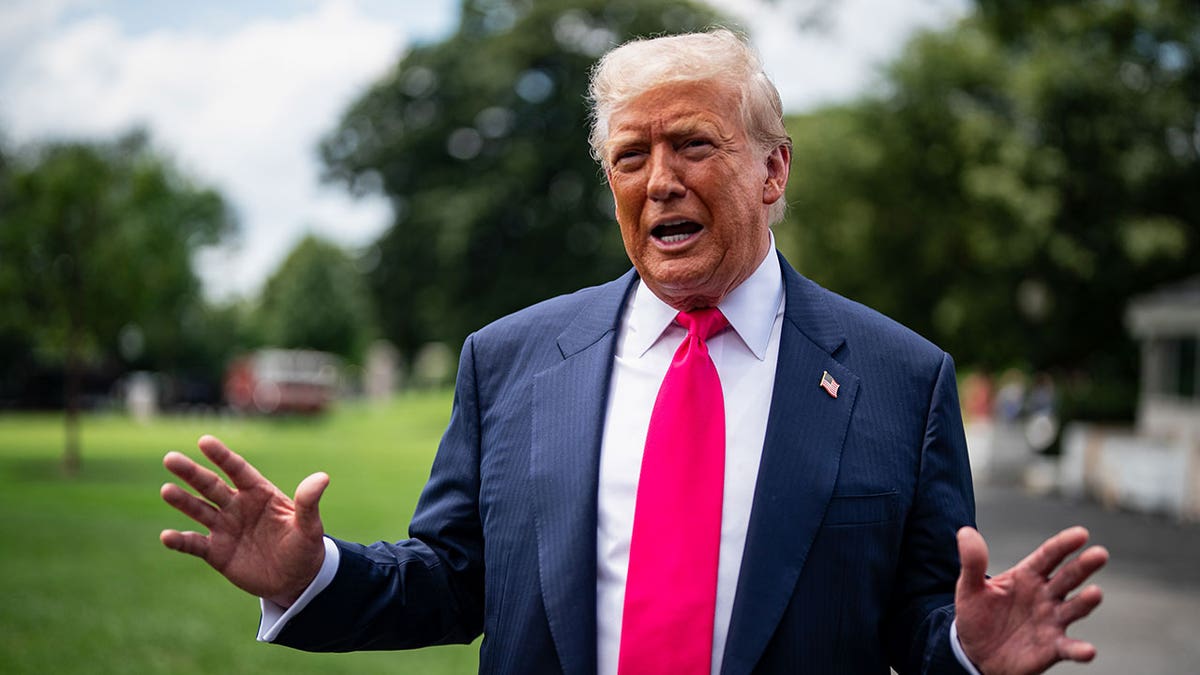
President Donald Trump on Monday addressed increasing demands for implementing safety measures on artificial intelligence (AI). He asserted that a “STRONG AND SMART” leader is necessary rather than imposing additional restrictions. This statement came amidst calls from industry leaders for slowing down the progression of AI technology.
Trump made his stance clear on Truth Social, stating that the only control AI needs is a qualified president, implying that his administration embodies those qualities. He negated the need for further restrictions, despite suggestions from several industry executives like Anthropic CEO Dario Amodei. Amodei urged AI firms to “pace the frontier” to prevent systems from exceeding human oversight.
The Trump Administration has stopped AI ‘people’ from doing bad, or potentially bad, ‘things,’said Trump on Truth Social, asserting his administration’s efforts.
The Trump administration had previously restricted federal usage of Anthropic’s technology, identifying it as a risk. However, federal courts temporarily blocked this designation. Claude, Anthropic’s AI model, remains a significant player among language model chatbots in the U.S.
Trump emphasized the federal government’s power to regulate AI companies and warned that additional U.S. constraints could benefit China in the AI race. “There is a SICK conspiracy… and the only one that is happy about it is China,” he expressed, indicating the competitive edge the U.S. holds.
The discussion on AI regulation gained traction when Amodei suggested industry moderation to ensure safety measures are adequate. His thoughts resonated with industry figures such as Sam Altman of OpenAI and Elon Musk. They concurred that pacing AI development was necessary.
Conversely, Trump’s AI advisor David Sacks opposed the need for governmental intervention. Sacks contended that companies should decide independently to moderate their advancement if necessary.
Amodei’s proposal outlined a strategy for moderating AI enhancements in order to safeguard human oversight. This entailed allowing external evaluators to consistently review safety practices, training, and models. Companies like OpenAI have begun adopting such measures, according to Altman.
Sacks, however, labeled efforts to form a coordinated approach a pretext for regulatory capture, insisting companies do not need legal permission to delay development.
While AI researchers remain concerned about the risks associated with autonomous systems, Sacks highlighted geopolitical challenges. He warned that achieving a global agreement on AI safety would likely be undermined by China’s unwillingness to comply.
Altman maintained that American AI companies should act responsibly now without waiting for legislative mandates. OpenAI advocates for safety evaluations before major developments, industry standards, and the use of independent auditors. Altman urged firms to uphold high safety standards without delays.