Tucker Carlson’s Comments on Credit Card Debt Stir Controversy
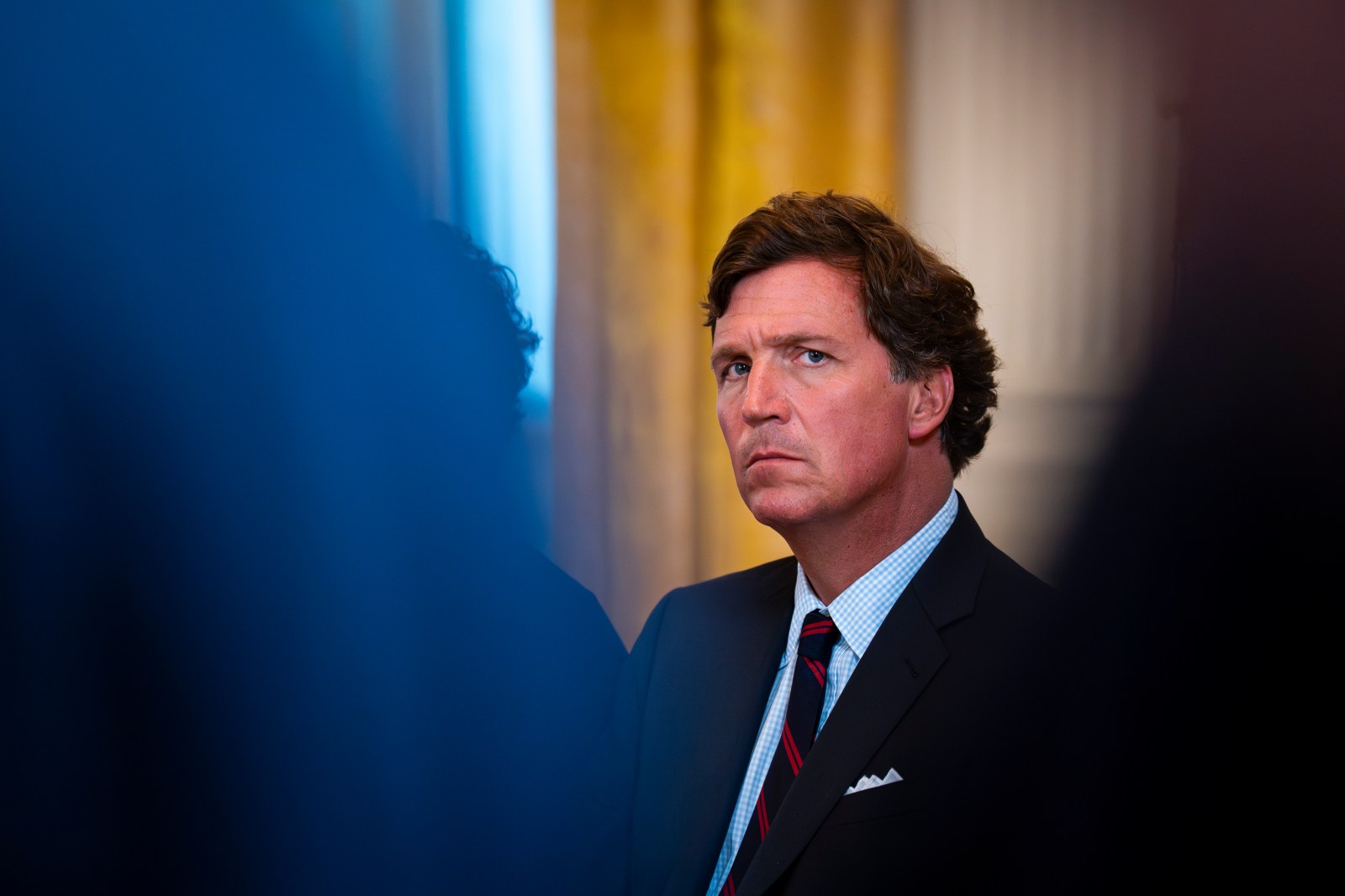
Tucker Carlson recently faced backlash after suggesting that Americans consider stopping payments on their credit cards. His controversial statement comes as household debt reaches all-time highs. This suggestion sparked discussions across the political landscape.
Carlson, known for his right-leaning media presence, surprised many by echoing an idea more commonly associated with left-wing economic views. His comments raise questions about whether rising debt levels are increasingly becoming a bipartisan concern.
Kevin Thompson, CEO of 9i Capital Group and host of the 9innings podcast, told Newsweek that Carlson appears to challenge traditional financial norms and align more with the working class frustrations. Thompson cautions that if Americans broadly stopped paying credit card bills, the financial system would come to a halt almost instantly.
Questioning the System
In a video discussion on platform X, Carlson criticized the fairness of the current system, stating that Americans are overwhelmed by debt. He said, “That’s like blaming the drug addict and never mentioning the dealer… Someone’s selling the fentanyl.” Carlson suggested that if the credit card system is unsustainable and stacked against consumers, Americans might consider opting out altogether, a surprising stance from a conservative voice.
Backlash and Reactions
Carlson’s remarks quickly attracted criticism online. One user, Benin Bryant, noted that Carlson outflanked perceived Democratic socialists in Congress. Personal finance experts have also criticized Carlson’s advice as irresponsible and harmful, leading to damaged credit scores and legal repercussions. Michael Ryan, a finance expert, explained that such actions could lead to severe financial consequences for consumers.
Insights from Debt Data
Carlson’s comments are made amid a period of high U.S. consumer debt. Many Americans carry credit card balances with historically high-interest rates. According to Forbes and WalletHub, these conditions result in borrowers paying significant interest, prolonging debt.
The data on student debt also shows surging interest rates, including:
- Undergraduate loans: from 6.39% to 6.52%
- Graduate loans: from 7.94% to 8.07%
- PLUS loans: from 8.94% to 9.07%
Contrary Views and Risks
Debt expert Dave Ramsey holds a divergent view. He advocates for aggressive debt repayment and warns against defaulting. In a discussion with Carlson, Ramsey questioned the necessity of credit cards altogether, citing that most users do not pay off their balances monthly.
Avoiding credit card payments poses numerous risks, including:
- Severe credit score damage
- Collection actions
- Potential lawsuits
- Difficulty accessing loans, housing, or jobs
Alex Beene, a financial literacy instructor, warns that non-payment can cause debt to grow due to accumulating interest and late fees, harming an individual’s credit score.
Looking Forward
While Carlson’s comments stand unlikely to prompt policy change, they surface at a time when there is heightened scrutiny of credit card debt and interest rates. Though frustrated, most Americans are expected to keep making payments due to the severe consequences of defaulting.
Michael Ryan emphasizes that, despite legitimate frustrations, the financial math is unfavorable. He highlights that Generation Z, the target demographic Carlson aims to support, would face long-term credit damage impacting their initial mortgages and business loans.