U.S. and Japan Intervene in Currency Markets
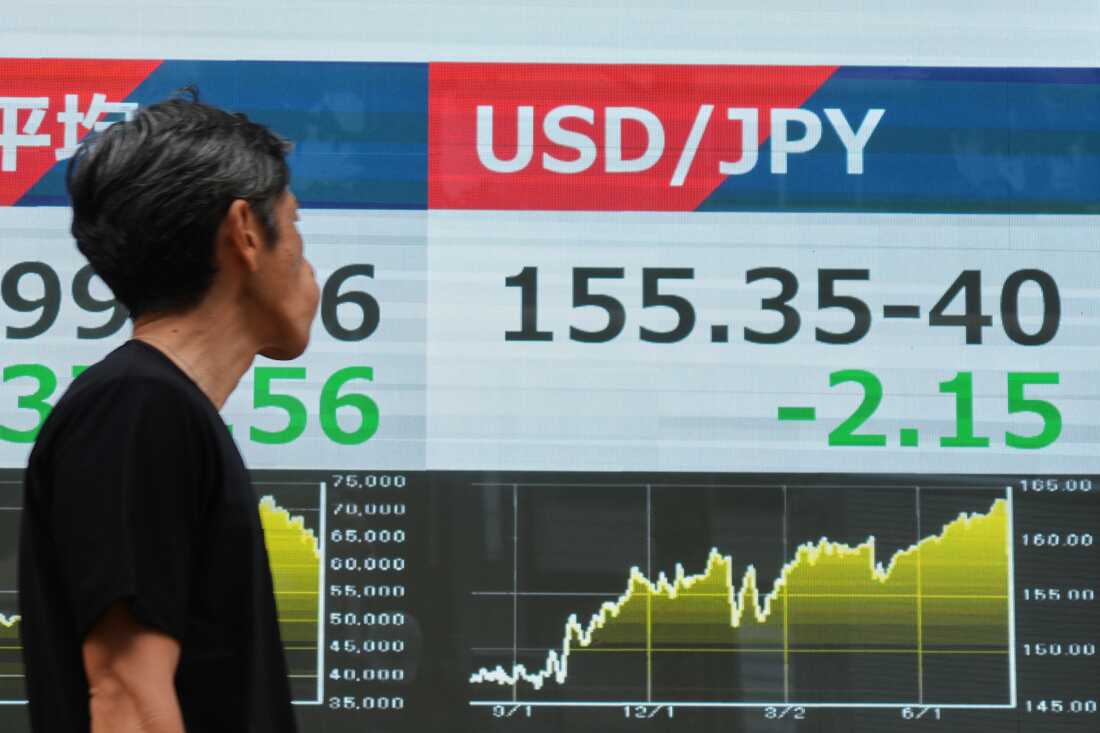
In Tokyo, the U.S. dollar experienced a significant drop against the Japanese yen on Monday, August 3, 2026. This followed an intervention in the markets confirmed by both the U.S. President Donald Trump and Japan’s finance minister. Before the intervention, the dollar was trading above 163 yen, reaching four-decade highs. However, suspicions of regulator involvement led to a decline below 160 yen. After the intervention was made official early Monday, the dollar fell about 1% to 156.34 yen, marking a notable change in the exchange rate.
The yen’s weakness against the dollar has been a consistent issue for Tokyo as Japan’s heavy reliance on imports means a weak currency drives up prices, contributing to inflation. Earlier efforts to strengthen the yen had little success in changing the exchange rate. Last week, the U.S. was suspected of assisting in this matter. When questioned about the cooperation, President Trump stated, “We have a good relationship with Japan. We’re very strong financially, and they have a weakening yen. They wanted a bit of help, and we’re always there for Japan. Japan’s been very good to us, apart from Pearl Harbor.” Trump also mentioned that the U.S. gained “financial benefit” from the intervention, seeing it as a “signal of friendship” that benefits the global economy.
Finance Minister Satsuki Katayama confirmed the intervention in Tokyo, stating that the finance ministry had purchased yen in cooperation with the U.S. Treasury Department. Katayama spoke to reporters at the Finance Ministry, confirming actions intended to counter extreme volatility and disorderly movements in the yen. The ministry expressed willingness to take further steps if required.
Neil Newman, managing director and head of strategy at Astris Advisory Japan, noted that such explicit admission of market intervention is rare. The last significant example occurred after the earthquake and tsunami disaster in northeastern Japan in 2011. Newman explained that a weaker dollar enhances the competitiveness of U.S. goods, reducing their costs in yen terms and potentially boosting American exports to Japan. He remarked on the uncommon cooperation between the U.S. and Japan, mentioning an alignment of interests in this situation.