U.S. Indictment of Raúl Castro Signals Potential Tensions
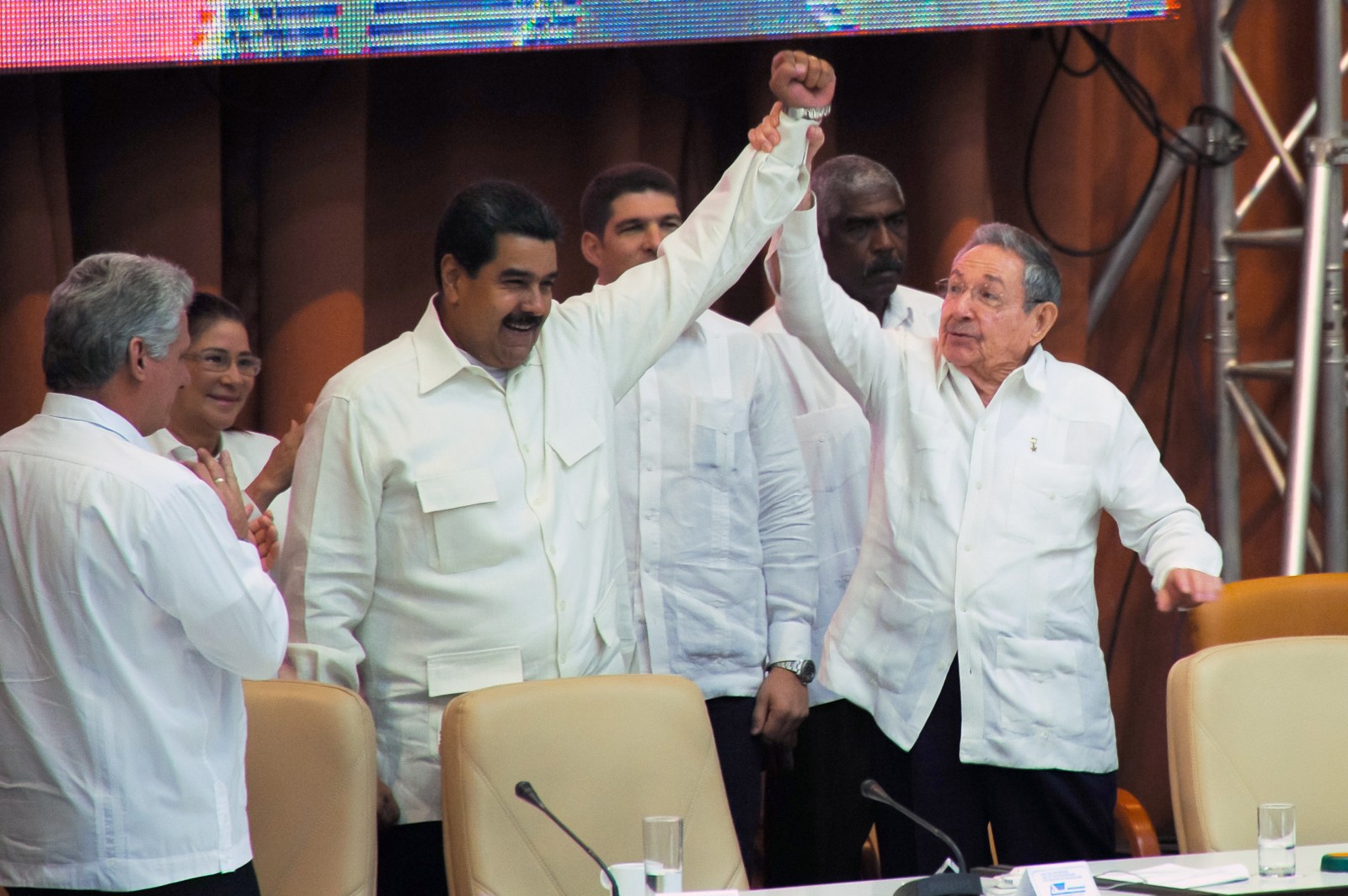
The recent U.S. indictment of former Cuban President Raúl Castro has sparked discussions about Washington’s intentions. Many believe this move is similar to the earlier action against Venezuelan President Nicolás Maduro. In a daring operation in January, U.S. forces captured Maduro, resulting in the loss of 32 Cuban personnel assigned to his protection. Maduro was charged with ‘narco-terrorism’ during the first Trump administration in 2020 and is set to face trial in New York City.
Castro, now 94, took over from his brother, Fidel, in 2008 and led Cuba for ten years. The U.S. charges are related to the 1996 downing of two civilian planes by the Cuban military. These planes were linked to an activist group with ties to exiled opposition forces. The Department of Justice disclosed the indictment on Wednesday.
U.S.-Cuba Tensions
Legal action against Castro emerges amid heightened U.S.-Cuba tensions. Following the Maduro abduction, the Trump administration imposed an oil blockade on Cuba, warning of a potential military takeover without a favorable deal. U.S. President Trump also launched a joint military initiative with Israel against Iran’s leadership, though it remains unresolved.
Christopher Sabatini of Chatham House noted the common pattern of escalating threats and military presence without success. He emphasized that Cuba maintains an openness to dialogue but refuses U.S.-imposed changes. Sabatini warned of likely escalation if no resolution occurs.
Potential Moves by Trump
Even before the announcement, analysts suggested Castro’s indictment might lead to military action. Secretary of State Marco Rubio addressed the Cuban population directly, blaming their government for economic struggles and promising a new bilateral relationship.
While Trump mentioned no immediate plans, he highlighted Cuba’s weakened state. Potential U.S. actions include targeting through Special Operations Forces or air strikes similar to those in Iran. Cuba’s outdated military might allow for a full invasion, but this would require significant resources currently allocated to the Middle East.
Cuban Resistance
Cuban President Miguel Díaz-Canel publicly declared readiness to defend against U.S. aggression and maintained his confidence in the country’s collective leadership. Sabatini doubted U.S. attempts to foster internal compliance would succeed due to Cuba’s cohesive governmental structure.
Removing Castro, Sabatini added, might not directly affect the entrenched military-economic complex known as GAESA, which continues robust operations.
Legal and International Concerns
The U.S. approach of linking criminal indictments with military actions has sparked legal debates. Legal experts argue such acts lack justification under international and domestic law, stressing that only legitimate self-defense or UN authorization can permit force.
Benjamin Gedan of the Stimson Center emphasized that legal indictments do not authorize military intervention, recalling past actions against Venezuela where such legal boundaries were bypassed.
Cuban Government’s Stance
Cuba’s government condemned the U.S. charges, labeling them a political provocation. They argued it manipulates the 1996 downing incident. The official statement insisted on the legitimacy of Cuba’s actions against the purported terrorist group ‘Brothers to the Rescue,’ claiming their repeated airspace violations.
In response to U.S. actions, Cuba reiterated its commitment to self-defense. The Cuban government expressed unwavering support for Raúl Castro and the nation’s revolutionary principles.
Strategic Implications
The U.S. has increased surveillance over Cuba. While direct military actions haven’t occurred, economic and political pressures remain. Benjamin Gedan suggested the indictment could primarily apply as leverage in negotiations. A credible threat may push Cuba toward economic reforms favorable to U.S. interests.
Nonetheless, Richard Feinberg of the University of California noted that targeting Castro won’t necessarily resolve Cuba’s broader challenges. The persistent drive for change in Cuba suggests that efforts extend beyond a single leader.