U.S. Investigates Mexican Governors Amid Corruption Allegations
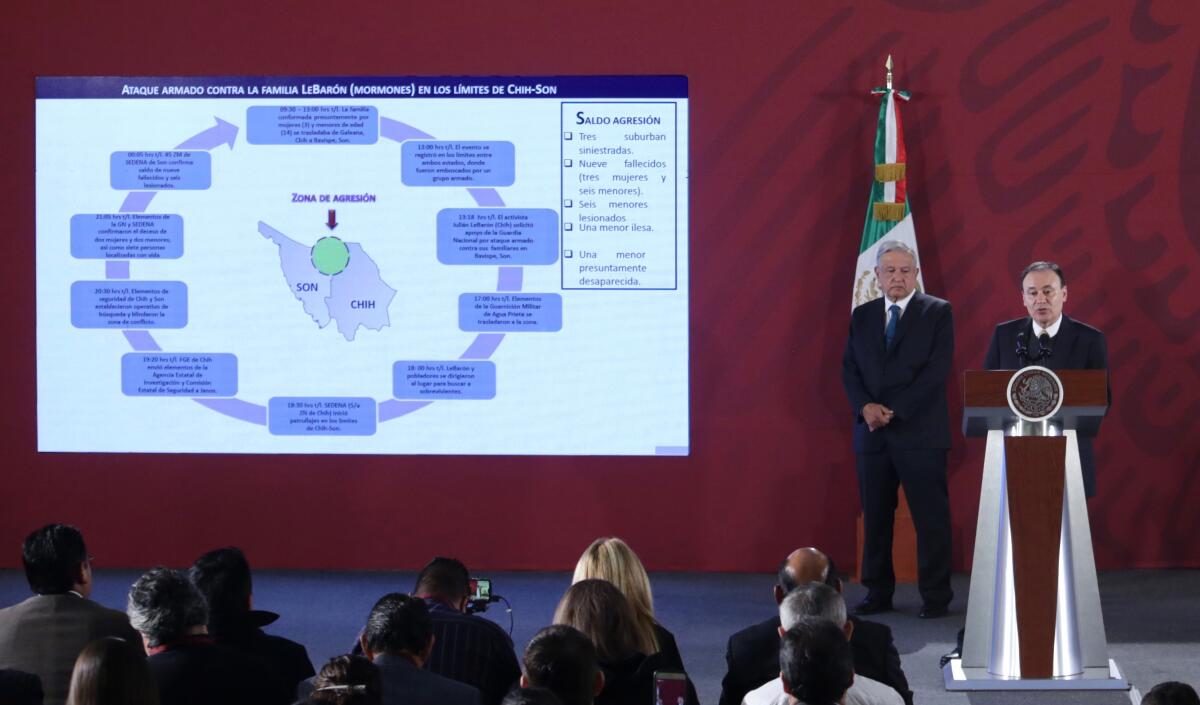
The U.S. is currently investigating two prominent Mexican governors as part of a campaign to address high-level corruption linked to organized crime. This initiative by the U.S. has potential implications for Mexico’s ruling party, which pledged to fight corruption upon taking power, and could further strain the diplomatic relationship between the two nations.
Traditionally, the U.S. focused its anti-drug efforts on cartel leaders. However, as numerous traffickers have been captured or eliminated, attention has shifted to prosecuting elected officials and law enforcement suspected of corruption. Alfonso Durazo, the governor of Sonora, and Américo Villarreal Anaya, the governor of Tamaulipas, have reportedly had their U.S. visas revoked in connection with criminal investigations.
Both governors are part of the Morena party, aligned with President Claudia Sheinbaum. Sheinbaum has criticized U.S. investigations into Mexican leaders, labeling them as interference in national affairs. In April, the U.S. Justice Department charged members of Sheinbaum’s party, including Governor Rubén Rocha Moya of Sinaloa, with assisting drug traffickers in exchange for bribes.
Responding to these charges, Sheinbaum questioned the U.S.’s motivations and whether their actions are aimed at influencing upcoming elections. She asserted it is up to the governors to address the accusations and expressed doubts about U.S. intentions, suggesting political motives might be involved.
Governor Durazo, previously Mexico’s security minister, has denied any wrongdoing, despite rumors of his involvement with organized crime. He claims his visa remains valid and denies collaborating with any criminal groups. Conversely, anonymous sources indicate he travels to the U.S. for medical treatments under the Significant Public Benefit parole, usually applied to those cooperating with law enforcement.
The investigation of Villarreal relates to fuel smuggling operations, known locally as huachicol. Like Durazo, he is suspected of having parole privileges when entering the U.S., which suggests cooperation with American authorities.
In reaction to U.S. requests for extraditions and prosecutions, Sheinbaum emphasized that her government will conduct its own assessments and warned against external political influence. The broader tensions highlight ongoing issues in U.S.-Mexico relations, which not only focus on drug policies but also involve economic considerations like trade agreements.
Historically, the U.S. has selectively prosecuted former Mexican officials for corruption, indicating a more aggressive approach under certain administrations. This new strategy, characterized by visa cancellations and criminal charges against sitting officials, represents a significant policy shift.