U.S. Missiles: Expansion and Development Amid Stockpile Refill
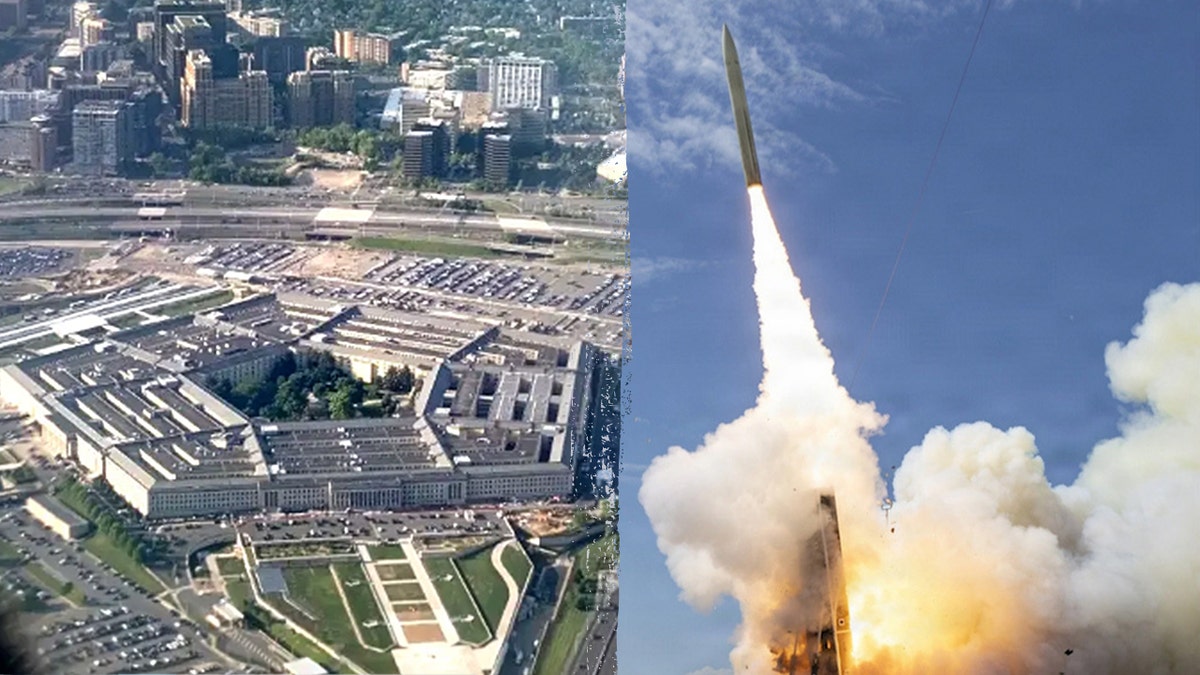
The U.S. is actively working to replenish its missile stockpile while also developing new weapons for its military arsenal. According to Mark Cancian, a retired U.S. Marines colonel and senior advisor at the CSIS Defense and Security Department, diverse missile types are crucial. This includes affordable options, high-end missiles like Patriots, and possibly some hypersonics.
The military has shown growing interest in hypersonic weapons, which offer maneuverability and speeds five times faster than sound. Cameron Tracy, a Senior Research Scholar at UC Berkeley, notes that hypersonic systems are now considered revolutionary, contrasting with traditional ballistic missiles.
Defense startups are striving to make hypersonic missiles more cost-effective and easier to mass produce, aligning with Pentagon’s expanded arsenal goals. However, the Army’s long-range hypersonic weapon, the Dark Eagle, could exceed $40 million per missile, according to the Government Accountability Office (GAO). The cost for equipping hypersonics on Navy’s Zumwalt Destroyers is estimated at $70 million each. Despite these high costs, the Army expects reduced prices over time with increased production, as stated by Xiaodon Liang, a senior policy analyst for Nuclear Weapons Policy and Disarmament.
Comparatively, the U.S. Navy reports Tomahawk missiles at $2.6 million and Patriot missiles at around $4 million. Precision Strike Missiles are priced at $1.6 million each. The Navy could purchase nearly 27 Tomahawks for each hypersonic missile on Zumwalt Destroyers. Similarly, the Army could acquire approximately 25 PrSMs for the price of one Dark Eagle hypersonic weapon.
Hypersonic weapons reach speeds up to 20 times faster than traditional missiles, reducing adversary reaction times. Their speed aids in evading enemy defenses and executing effective strikes. The Atlantic Council suggests that 75% fewer hypersonics may be needed for certain missions.
Startups aim to lower production costs, with some hypersonic munitions projected to cost under $500,000. Bryon Hargis, CEO of Castelion, speaks of the importance of affordable manufacturing. Castelion’s Blackbeard hypersonic weapon is designed for mass production, aiming to support the U.S. Navy and Army. Their new factory, Project Ranger, plans to annually produce thousands of hypersonic weapons.
The advantages of hypersonic systems include long range, quick deployment, and survivability. These factors enhance deterrence capabilities. Hypersonic missiles, capable of maneuvering during flight, can strike targets within 15-30 minutes from 1,725 miles away.
“Technologies tend to improve with experience, but there are physical limits to system performance,” said Cameron Tracy.
Defense contractor Rocket Lab collaborates with the War Department to test and improve hypersonic capabilities. Their HASTE program enables more frequent, cost-effective testing, using a suborbital test bed launch vehicle.
Despite their potential, the U.S. has yet to deploy hypersonic weapons, such as the Dark Eagle, although deployment discussions for the Middle East have occurred.
Bret Baier is an anchor at FOX News and hosts “The Bret Baier Podcast.” Having joined FNC in 1998, he is based in Washington, D.C.