U.S. Takes Strong Stance Against Fraud and Cybercrime
Vance Endorses Trump Administration’s Anti-Fraud Efforts
Federal Trade Commission Chairman Andrew Ferguson has emphasized the Trump administration’s significant strides in combating fraud. These efforts have helped prevent tens of billions in fraudulent payments and led to hundreds of indictments. Ferguson highlights resistance from certain states that refuse to share necessary data, which undermines these crucial efforts.
Concerns Over H-1B Visa Fraud
Labor Department Inspector General Anthony D’Esposito has raised serious concerns about H-1B visa fraud. He warns that such fraud not only affects the economy but also aids international criminal organizations and human trafficking networks. This adds gravity to the administration’s crackdown on fraudulent schemes.
New Visa Restrictions on Cybercriminals
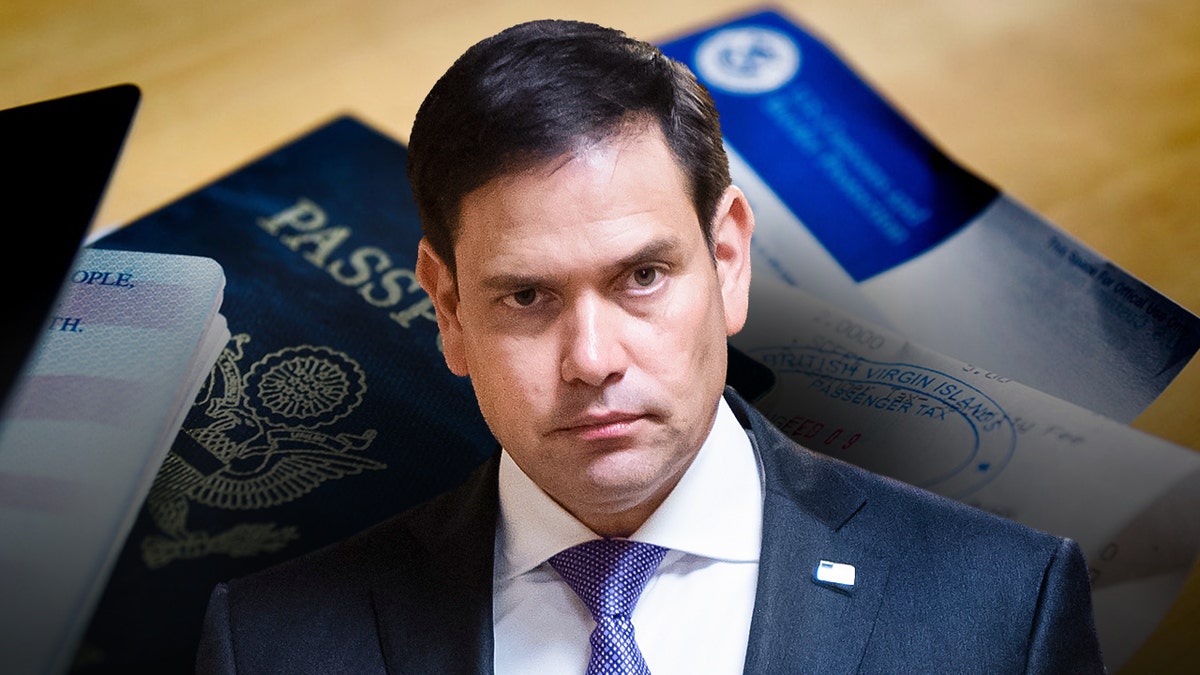
Secretary of State Marco Rubio has announced a new policy aimed at foreign nationals involved in cybercrime. This includes individuals engaged in cyberscams and sextortion activities. The policy also extends potential visa restrictions to immediate family members of the perpetrators.
Executive Order Against Cyber and Financial Frauds
President Donald Trump signed an executive order focused on combating cybercrime and fraud against American citizens. This directive calls for federal agencies to create strategies against foreign scam operations and cyber-enabled financial fraud.
International Scams Fueled by Criminal Organizations
According to Rubio, these scams are often orchestrated by transnational criminal organizations, particularly from China. In 2024 alone, such scams have cost U.S. citizens at least $10 billion. Beyond financial losses, these scams contribute to broader issues like money laundering and human trafficking. There is also a specific impact on American children through sextortion schemes.
Comprehensive Measures Against Criminal Networks
The administration is committed to tackling these criminal networks by using a range of tools. These include sanctions, legal prosecutions, asset seizures, extradition, and collaboration with international law enforcement agencies. The decision to restrict visas for those involved in these enterprises underlines the serious stance of the U.S. against such criminal activities.
By limiting visa access to those responsible or complicit in these crimes, the United States sends a strong message: those who target our citizens will face consequences.