Undercounting Earth’s Insect Species
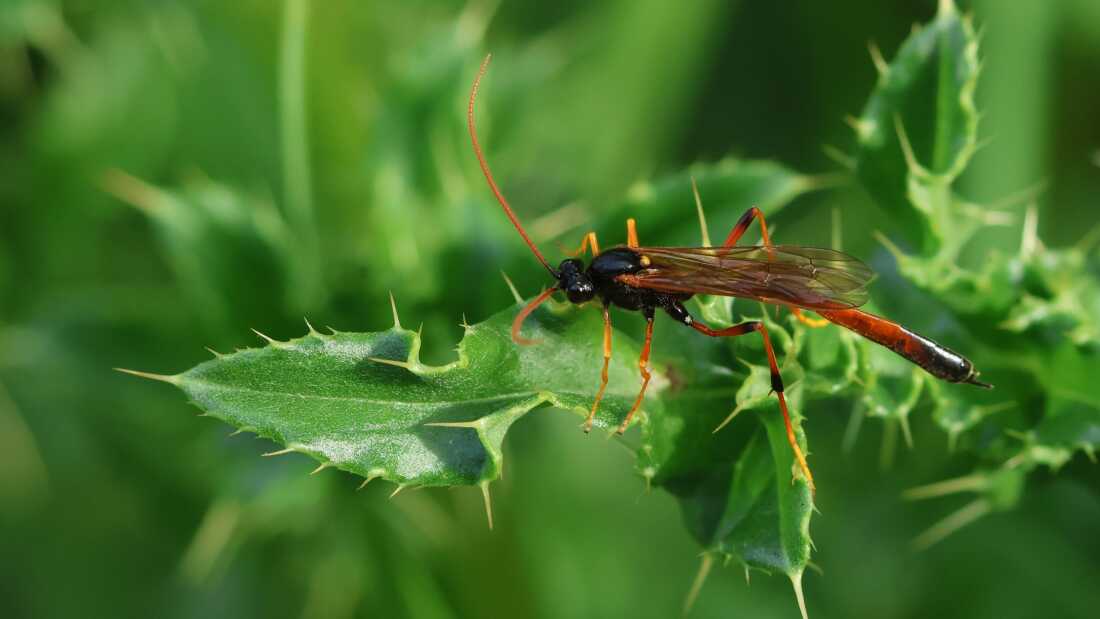
How many insect species inhabit our planet? This question has intrigued scientists for years. A recent study focused on parasitoid wasps, a specific group of insects, to estimate the total number of insect species globally. The findings suggest the current estimates may be far too low, revealing millions more species awaiting discovery.
Parasitoid wasps, known for their tiny size and sometimes unsettling nature, were central to this research. By examining these creatures, scientists have expanded our understanding of insect biodiversity.
Insects play crucial roles in ecosystems, such as pollination and decomposition. They are vital for maintaining ecological balance. However, their diversity and quantity remain underappreciated.
Curiosity often strikes late at night when a mosquito buzzes around or when turning over rocks to reveal tiny creatures. While insects may sometimes seem overwhelming, they are essential parts of Earth’s biodiversity.
For those interested in learning more about the fascinating world of insects, this research opens new avenues. The study invites further curiosity and exploration.
Support for public media comes from NPR+. It offers benefits like bonus episodes, access to archives, curated playlists, and sponsor-free listening. Learn more about these perks at plus.npr.org.
The study was brought to listeners by producers Rachel Carlson and Jordan-Marie Smith. The episode received editorial input from Rebecca Ramirez and Christopher Intagliata, with fact-checking by Tyler Jones. Audio engineering was managed by Annlie Huang and Tiffany Vera-Castro.