Understanding Pet Insurance After Illness
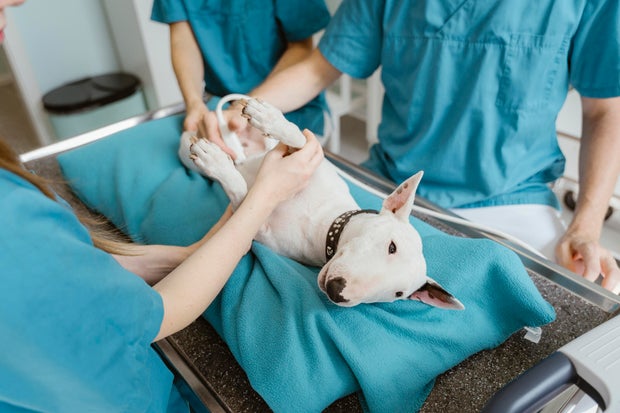
Purchasing pet insurance often seems less urgent when your pet is in good health. Financial pressures, like high inflation and rising costs, may make monthly premiums appear as an unnecessary expenditure. However, an unexpected trip to the veterinarian can quickly shift priorities. An unforeseen diagnosis followed by a hefty bill can prompt a reconsideration of pet insurance, raising concern over future veterinary costs and their impact on your household budget.
Considerations for Pet Insurance
The timing of buying pet insurance is crucial. A pet’s recent medical history can influence available insurance options. Waiting until a pet falls ill complicates decision-making.
Buying Insurance Post-Illness
Even after illness, purchasing pet insurance is possible. The key issue is what the new policy covers.
Pre-Existing Conditions
Pet insurance is designed to cover medical issues that occur after the policy takes effect. Most insurers exclude pre-existing conditions. Symptoms, treatments, or veterinary advice before the policy’s effective date, or during the waiting period, often lead to exclusions.
For instance, obtaining insurance after a dog develops persistent allergies won’t result in coverage of those allergy treatments.
Understanding how insurers define pre-existing conditions is essential to avoid misunderstandings about coverage.
Coverage for New Issues
Insurance remains valuable for new, unrelated health problems. Illnesses treated before enrollment may be excluded, but future accidents or diseases could be covered. This makes pet insurance beneficial for protection against significant veterinary expenses later.
Resolutions of Curable Conditions
Not all insurers treat resolved conditions the same. Some distinguish between incurable and temporary issues. Certain policies, like ASPCA Pet Health Insurance, consider some curable conditions as non-pre-existing after a symptom-free period. Embrace offers similar conditions after 12 symptom-free months. Fine print matters, especially after resolving a temporary illness.
Evaluating Policies with Existing Health History
If your pet has a medical history, consider more than just the premium cost when comparing policies.
Pre-Existing Condition Definitions
Review definitions carefully to understand insurer reviews of veterinary records. Determine if symptoms or treatments might trigger exclusions. Check for a medical-record review option to identify these early.
Eligibility of Resolved Conditions
For resolved illnesses, investigate rules for curable pre-existing conditions. Understand symptom-free periods and exclusions, especially for bilateral conditions impacting both sides of the body.
Analyzing Coverage Cost
Assess the premium relative to the protection. Factors like species, breed, age, and location influence costs. A costly policy with many exclusions may offer less value. A policy with narrow exclusions but substantial coverage could be worth the cost.
Conclusion
Buying pet insurance after illness is feasible, but don’t expect coverage for pre-existing conditions. The central question is what protection remains. Understanding insurers’ definitions of pre-existing conditions and coverage details will help evaluate the policy’s worth relative to its premium.