Understanding Social Security Disability Benefit Protections Against Debt
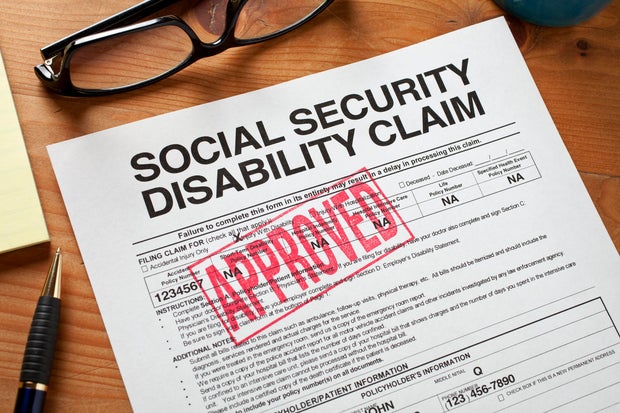
Americans are facing rising financial challenges. Inflation has increased the cost of essentials like rent, groceries, and medical expenses. Those on fixed incomes, such as people relying on Social Security disability benefits, find it especially tough. Many households use credit cards more often, trying to cover routine bills. As borrowing balances grow, so does the pressure to maintain payments.
For individuals reliant on Social Security disability benefits, staying financially afloat can be daunting. The money does not stretch as far as it once did. Many may miss payments, leading to collection calls, added interest, and possibly wage garnishment. Losing part of a disability check can be alarming when already dealing with health challenges and limited income.
Can Your Social Security Benefits Be Garnished?
Typically, Social Security disability benefits are safe from garnishment by private creditors. This includes credit card companies and personal loan providers. Federal law protects these benefits from most creditor activities. If benefits are direct-deposited, banks must also safeguard up to two months’ worth of benefits from garnishment in many cases. However, the income is not entirely untouchable.
Federal Debts and Garnishment
Federal debts differ from private ones. If you owe the government, your Social Security Disability Insurance (SSDI) might face garnishment or offset. This includes:
- Federal tax debt
- Defaulted federal student loans
- Child support
- Alimony
- Certain federal restitution orders
The Treasury Offset Program can reduce Social Security disability benefits for certain federal debts. Though there are limits to how much can be taken, these reductions impact those on fixed incomes significantly. Supplemental Security Income (SSI) usually has stronger protections. SSI benefits typically cannot be garnished for federal student loans or tax debt.
Bank Account Complications
While legally protected, complexities may arise when funds are deposited into bank accounts. If benefits mix with non-protected funds, like wages or tax refunds, creditors may pursue a bank levy through the courts. Accounts with mixed funds above the protected amount could have funds temporarily frozen. Protecting federal benefits by keeping them in a separate account might ease complications should collection activities intensify.
Lawsuits and Court Judgments
Though creditors cannot garnish disability benefits directly, they may still pursue lawsuits for unpaid debts. This can create additional collection pressures, like attempts to levy bank accounts or place liens on assets. Ignoring court notices or failing to respond can lead to default judgments, giving creditors further collection options.
Coping With Debt While on Disability
Even if protected from garnishment, existing debts still pose significant stress due to calls and interest accrual. Thankfully, those on disability benefits have options:
- Debt settlement: Negotiating a reduced payment with creditors, often as a lump sum, can be viable if they know they cannot garnish SSDI benefits.
- Bankruptcy: Filing Chapter 7 bankruptcy may discharge most unsecured debt. It provides an automatic stay on collection, and disability income is often excluded from means test calculations.
- Debt management plan: Restructuring payments to lower interest and fees could offer manageable terms.
By exploring these routes, individuals may find relief and better manage financial pressures on a fixed income. Social Security disability benefits generally remain shielded from most creditors, but knowing exceptions and possible relief options is crucial.