Understanding Work Burnout and Finding Balance
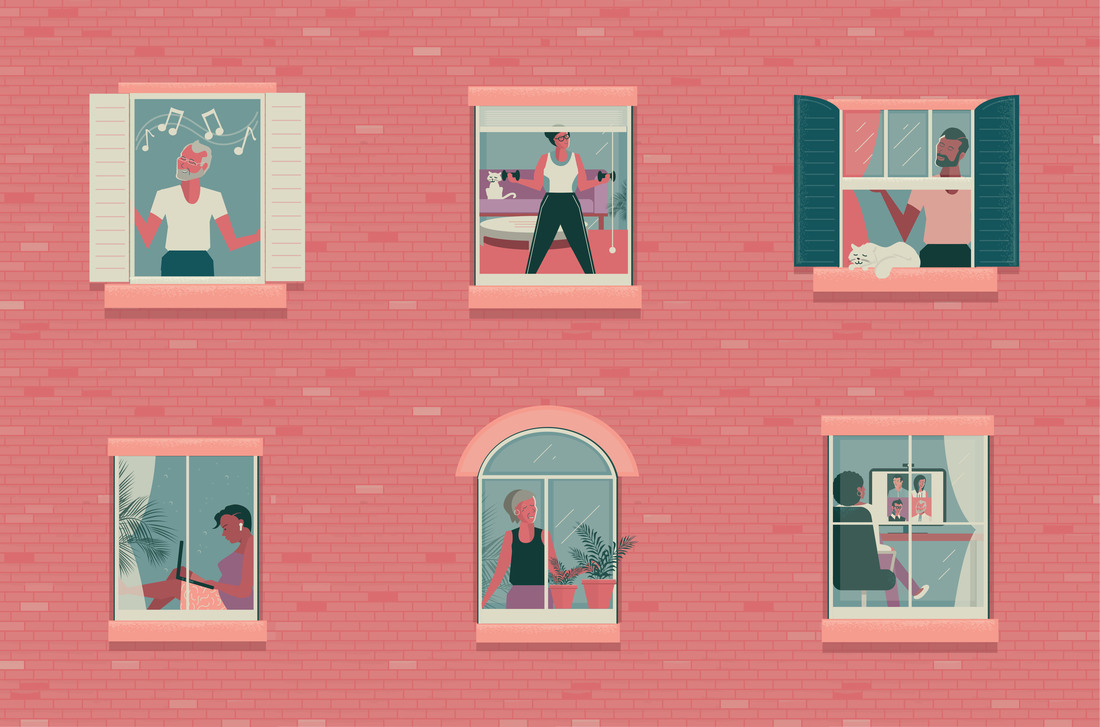
For millions, working from home has not reduced work hours. The average workday has extended by about 49 minutes, and more meetings are attended than before the pandemic. Whether you work from home or travel to the office, many find it hard to disconnect from work. Burnout is so widespread that the World Health Organization now includes it as an occupational syndrome, marked by exhaustion, cynicism, and negativity.
If you find yourself familiar with these feelings, consider reflecting on when you last watched a movie or show without checking your inbox. When did you last leave the house without your phone? Can you sit for an hour without doing any work? Journalist Celeste Headlee discussed with therapist Amelia Aldao how to work less and relax more. Here are the key points from their conversation.
On the Loneliness Epidemic
Isolation affects people regardless of their living situation. Whether alone, with a partner, or with family, many feel increasingly isolated. This loneliness epidemic in America continues to grow, worsening anxiety, depression, and physical health.
Why We Feel Guilty When We Aren’t Working
Guilt often stems from internalized voices from upbringing and family. While a problematic emotion, guilt makes sense in the right context. High productivity expectations lead us to feel guilty when unmet. Guilt signals that things aren’t as they should be. To counter guilt, adjust your environment, reset expectations, and change your life structure. Preventing guilt before it arises is crucial, as working with guilt is difficult once it appears.
Using Exposure Therapy to Manage Compulsions
Acceptance of uncompleted tasks and prioritizing important ones is vital. Before the pandemic, being an ‘inbox zero’ person was feasible. Now, prioritizing clients and team tasks over unread emails is necessary. This approach requires managing anxiety and adapting over time. This concept stems from a cognitive behavioral therapy technique called exposure. The more you face anxiety-inducing tasks, the less anxiety they bring in the long run.
Produced by Clare Lombardo. Share your thoughts with us by leaving a voicemail at 202-216-9823 or emailing [email protected]. Subscribe to our newsletter for more Life Kit content.