Xi Jinping’s Strategic Relationship with Trump and Its Implications
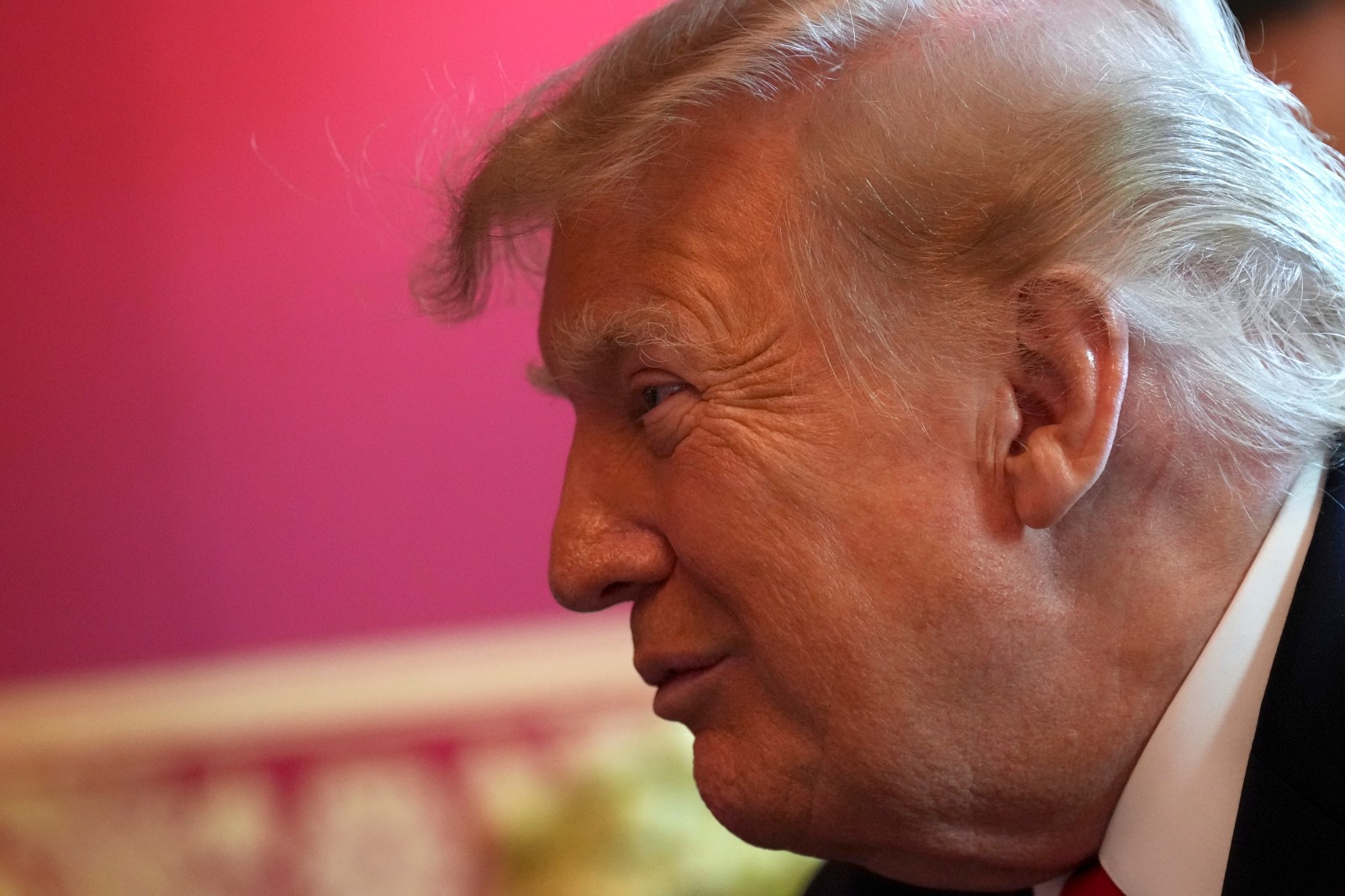
Chinese leader Xi Jinping has placed significant importance on his relationship with President Donald Trump. They have engaged in two summits this year, with plans for two more, aiming to solidify friendlier relations. This investment has benefitted China substantially, leading to concerns that a Democratic victory in the upcoming midterm elections might disrupt the current detente with the United States. This detente has enabled Beijing to advance its agenda globally, despite some challenges at home.
An agreement with the White House to establish a ‘constructive relationship of strategic stability’ has helped Xi stabilize China’s economy and reform the military as his leadership tenure approaches renewal.
Xi’s Approach to Trump’s Leadership
China has refrained from commenting on the U.S. midterms, insisting it’s a domestic affair, but Beijing seemingly has a preferred outcome. Trump’s dominance over the Republican Party suggests he could contain party hawks if the GOP prevails. The relationship between Trump and Xi endured considerable strain during Trump’s first administration, largely due to deteriorating public opinions in the U.S. during the COVID-19 pandemic. However, Xi has adapted to Trump’s style of diplomacy, which has yielded positive results.
The pageantry of state visits in Beijing and Washington, D.C. has endeared Trump and softened U.S. public sentiment towards China. This has resulted in both leaders minimizing interferences in each other’s agendas. For Trump, maintaining stable relations with China has assisted in securing objectives in regions like Venezuela and Greenland, while China’s actions in the Indo-Pacific region face less scrutiny due to U.S. focus elsewhere.
China’s familiarity with Trump’s transactional approach, centered on economic benefits rather than human rights or democracy, suits Beijing’s interests, allowing China to lead global institutions neglected by the U.S.
Challenges to Trump’s and Xi’s Constructive Engagement
The progress between Trump and Xi was further solidified during a summit in Busan, South Korea, where they agreed to alleviate an intensifying tariff dispute. Beijing committed to buying U.S. soybeans and reducing export controls on rare earth metals. Although the U.S. views this truce as a trade issue, China perceives it as more encompassing, given repeated warnings against possible U.S. economic sanctions.
During recent talks, Beijing demonstrated its satisfaction with the truce by seeking a multiyear extension until 2028—the conclusion of Trump’s potential second term. However, U.S. Treasury Secretary Scott Bessent sanctioned a two-month extension instead, hinting at a reassessment post-midterms depending on Trump’s leverage and Xi’s adherence to promises.
Even if Democrats control both the House and Senate, Trump’s administration would retain executive power, although he may encounter increased opposition to his foreign policies. Congressional leaders skeptical of Beijing might compel Trump to adopt a firmer stance on human rights and support allies like Taiwan. A Democrat-run Congress could also restrict military actions and curtail Trump’s bargaining strengths such as sanctions and trade agreements.
China’s Tactical Planning
China recognizes the unpredictability of U.S. politics and the impermanence of agreements with democratic governments. Xi has scheduled two more summits with Trump, one at the APEC summit in Shenzhen and another at the G20 meeting in Miami, to buy time. Yet, a Democrat-controlled Congress could create new hurdles.
According to Yilun Zhang of the Institute for China-America Studies, a Democratic victory would shift committee leadership and oversight, challenging Trump’s negotiations with Beijing. Despite possible strategic shifts, shared bipartisan views on the necessity of U.S.-China competition remain.
China remains prepared for a potential Democratic sweep. A divided U.S. government could lead to internal conflicts, which might benefit Beijing’s geopolitical interests.