Caring for Elderly Nuns in Uganda: A New Initiative
In Nkokonjeru, Uganda, at the Little Sisters of St. Francis convent, Sister Jane Frances Nakafeero pauses at simple graves adorned with flowers. The cemetery is home to many former nurses, teachers, social workers, and doctors who once served the community. Aspiring nuns begin their journey here and are eventually laid to rest in the same grounds. This convent is both a starting point and a final resting place for the sisters.
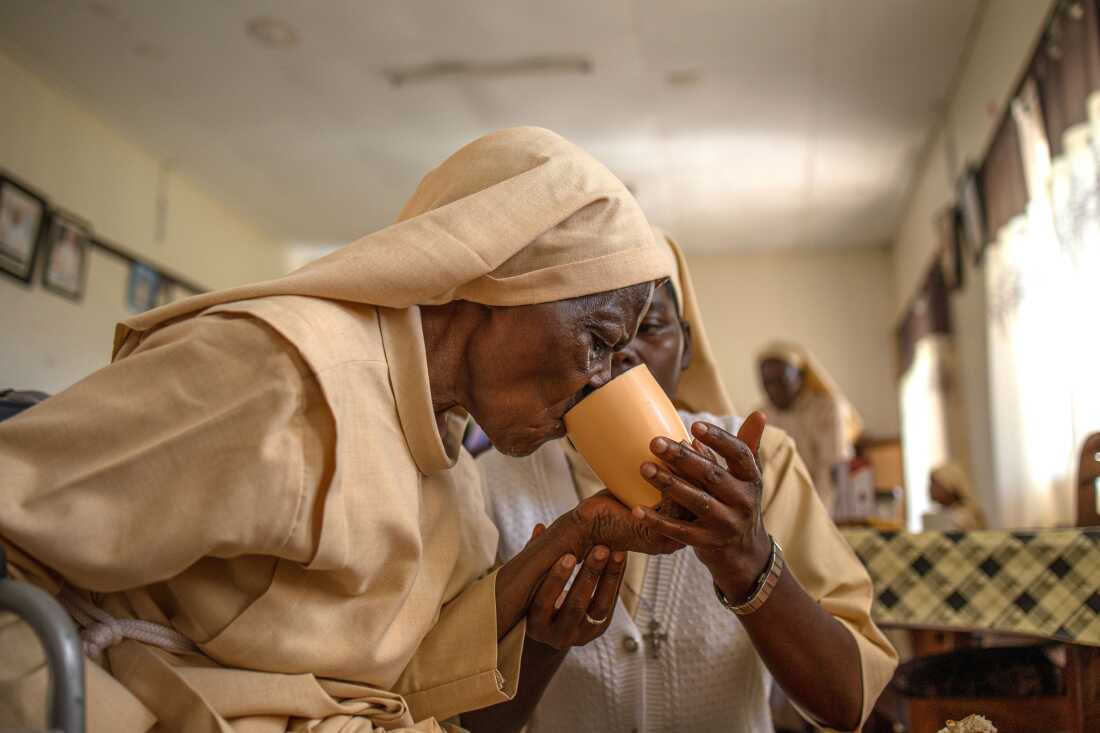
Sister Nakafeero, the superior general of the convent, expresses concern for the retired nuns living within the community. Palliative care, which emerged in the 1960s, is unfamiliar to many within the Church in Uganda. Funding and resources for caring for the elderly nuns are scarce. The retired sisters lack essential items like adult diapers, wheelchairs, and hearing aids.
During a 2023 meeting of the African Palliative Care Association, Nakafeero shared her concerns with Jean Callahan, a former chair of the Irish Hospice Foundation. Moved by the plight of the nuns, Callahan, who often thinks of her grandmother who served as a nun in Africa, collaborates with Nakafeero to establish a pilot program in September 2025. This program aims to provide hospice care for aging nuns, focusing on both medical needs and emotional support.
Eve Namisango leads research efforts to assess the needs of about 50 retired sisters. Most of these sisters hail from Uganda, with others from Kenya and Tanzania. The initiative plans to train caregivers and hopes to expand palliative care to other Ugandan convents by 2027 and eventually across Africa.
“They have served humanity for all their useful years,” says Namisango. “Now they deserve decent, person-centered care.”
Prayer plays a significant role in the daily life of 14 retired sisters at the convent. Mornings start with prayer, as nuns with mobility challenges line up in wheelchairs. Father Joseph Balikuddembe visits to administer communion, but worries that the sisters’ lives lack stimulation and activity. With insufficient wheelchairs and scarce resources, the sisters’ mobility and engagement are limited.
Historical events, such as Uganda’s independence and World War II, overshadow the personal experiences of nuns like Sister Rosemary Luyiga, who joined the convent in 1944. Now 95, Luyiga is largely confined to her room, reflecting on her life and the loneliness she feels as a result of insufficient care.
Sister Mary Consolata Nakawoojwa, a social worker who studied geriatric care, oversees the care of the retired nuns. She highlights the importance of psychological support for the sisters, addressing issues of depression and anxiety. This support, she believes, is crucial for assisting nuns in adapting to end-of-life changes.
Jean Callahan and Nakafeero consider whether female nuns receive less attention than priests. While the Vatican did not respond to inquiries, Nakafeero is determined to address the situation herself. An anonymous donor has funded ongoing research, while effort continues to raise $135,000 for the program to provide material and training support.
Nakafeero, who also has personal experience with palliative care, continues to work towards establishing sustainable care for the nuns. She reflects on her own future and the hope of receiving gentle, compassionate care when her time comes.
Sophie Neiman, an award-winning journalist, reports on this story from Kenya.