Keir Starmer Resigns; Andy Burnham Poised as Likely Successor
On June 22, 2026, British Prime Minister Keir Starmer announced his resignation, following a successful general election less than two years earlier. He promised an ‘orderly transition,’ aiming for a new prime minister by September due to growing discontent over economic issues and illegal immigration.
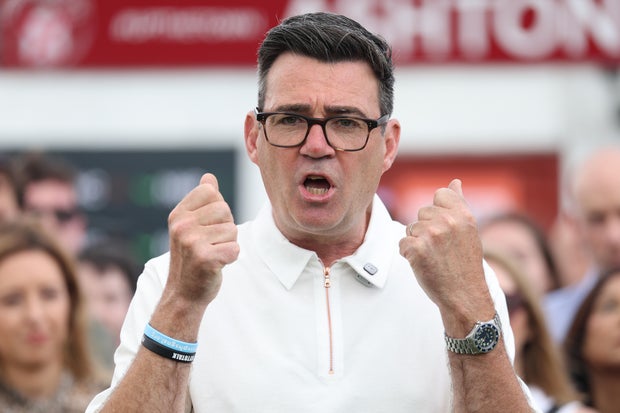
During this transition period, attention has focused on Andy Burnham as Starmer’s potential successor. While there might be a leadership contest, senior figures in the Labour Party seem eager to rally around Burnham.
Burnham recently concluded his tenure as Mayor of Manchester, a position he held for nearly ten years. He won a by-election in Makerfield, Greater Manchester, becoming a Member of Parliament, an essential step as British party leaders usually come from elected lawmakers.
The Makerfield victory is significant. It indicates Burnham’s success in areas Labour has struggled to retain. These regions, traditionally Labor strongholds, have turned to right-wing parties like Reform UK. Burnham’s win suggests Labour might reconnect with voters before the next national elections.
Who is Andy Burnham?
Burnham has been positioning himself as an alternative to Starmer, criticizing Labour leadership and cultivating his national profile. His exact stance on key issues compared to Starmer remains unclear.
A Conservative Party lawmaker noted Burnham as ‘Keir Starmer with a Northern accent,’ and Burnham has yet to differentiate himself on international relations, notably his approach to President Trump.
Burnham expressed concerns about Britain adopting polarized politics akin to the United States. He addressed supporters about the risk of divisive politics undermining community collaboration.
Political Background
Despite initially presenting as a London outsider, Burnham’s career spans roles within the capital, including cabinet positions under Tony Blair and Gordon Brown. He attempted twice to lead the Labour Party before assuming the mayoral role.
As Mayor, Burnham became a northern advocate, challenging Boris Johnson’s government over COVID-19 financial support. His supporters credit his approach to regional empowerment and civic pride as distinctive from Starmer.
Critics question Burnham’s clarity on key issues, such as immigration and post-Brexit relations. His shifting policy positions reveal ongoing uncertainty among voters.
Burnham’s policies may align closely with Starmer due to Labour’s recent election mandate, which complicates drastic shifts without risking accusations of undemocratic behavior.
Path to Prime Minister
The British prime minister is not directly elected but usually comes from the leading party in the House of Commons. Leadership changes within a party can happen without a national election if the current leader is deemed an electoral liability.
Burnham’s strong support in Labour’s traditional heartlands makes him a promising candidate for sustaining or regaining confidence before the next general election, required by 2027.
Other potential successors, such as Wes Streeting, have already deferred to Burnham, strengthening his candidacy. Streeting’s backing provides momentum for Burnham as Labour prepares for upcoming electoral challenges.