Britain’s Farms Rely on Central Asian Workers Post-Brexit
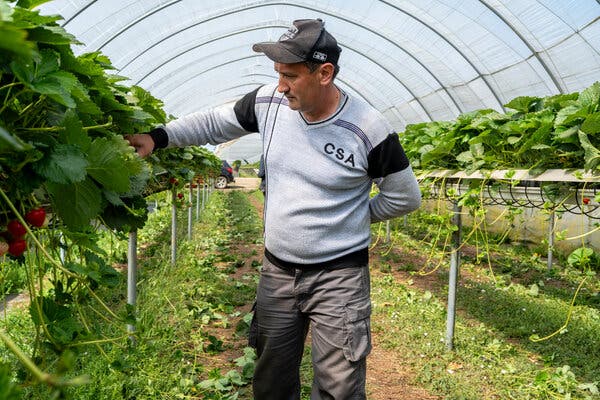
Ten years after Brexit, most seasonal workers in Britain are from countries like Kyrgyzstan and Tajikistan. Agricultural leaders emphasize that without these workers, many farms would face collapse.
Shukrat Djuraev tends to strawberry plants at Homefield Farm in Kent, England. Originally from Bukhara, Uzbekistan, Djuraev is among the thousands of seasonal workers British farmers depend on each year to ensure their produce reaches stores. He works in a giant greenhouse tunnel and appreciates the steady and calm environment.
Before Britain exited the European Union, a significant portion of farm workers hailed from Eastern Europe. Post-Brexit, they lost their right to work in the UK, leading many to believe there would be fewer foreign workers.
However, a decade after the Brexit vote, UK farmers have addressed labor shortages by bringing in workers from Central Asia on six-month visas.
Immigration played a crucial role in the Brexit vote. Promoters claimed that leaving the EU would enable Britain to regain control of its borders. A decade later, immigration continues to be a significant political issue, especially for the ruling Labour Party.
Nigel Farage, a prominent Brexit advocate, and his new political party, Reform U.K., have gained substantial political traction. They lead in opinion polls and achieved notable gains in recent local elections. This has put pressure on Labour and contributed to Prime Minister Keir Starmer’s resignation announcement.