Tensions Rise as Society of St. Pius X Defies Rome with Bishop Consecrations
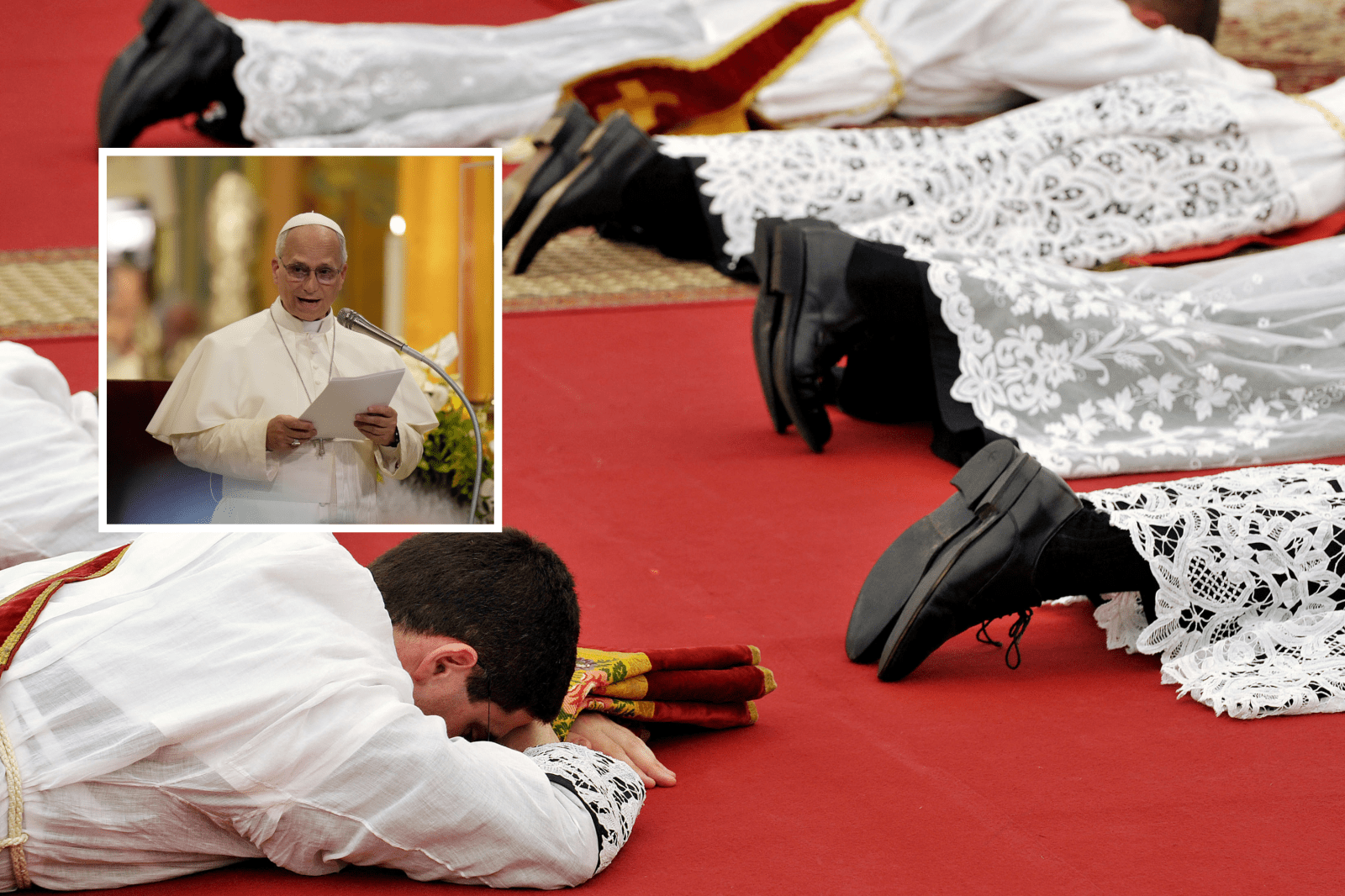
The Catholic Church faces a significant internal conflict as the Society of St. Pius X (SSPX), a traditionalist priestly society, prepares to consecrate four new bishops. This ceremony is set for July 1 in Écône, Switzerland, despite clear warnings from the Vatican. The ordinations, if performed without papal consent, would constitute a “schismatic act,” resulting in automatic excommunication according to canon law.
This situation tests the leadership of Pope Leo XIV, who took office in May 2025. He has urged the SSPX to reconsider, warning that these ordinations could deepen existing divisions within the Church. However, SSPX insists on proceeding, emphasizing that their principles are non-negotiable. Last month, they revealed the four priests to be consecrated, citing the necessity of ensuring their future operations due to their current shortage of bishops.
The tension highlights a larger debate within Catholicism. On one side are traditionalist factions; on the other, reformist church leaders. These tensions have been exacerbated by changes since the 1960s.
The SSPX announced plans to consecrate bishops without the Vatican’s approval back in February. Cardinal Víctor Manuel Fernández, the Vatican’s head of discipline, warned this would lead to excommunication, barring those involved from sacraments and leadership roles within the Church.
Historically, this situation mirrors the 1988 consecrations by Archbishop Marcel Lefebvre, SSPX’s founder, without approval from Pope John Paul II. Those actions led to schism and excommunications, which Pope Benedict XVI later lifted in 2009 in an attempt to improve relations, though SSPX has remained in a “canonical irregularity” state.
Roots of the Dispute
The SSPX was founded by Lefebvre in 1970 in response to the outcomes of the Second Vatican Council, which introduced significant reforms. Lefebvre and his supporters believed these changes strayed from longstanding traditions. Their differences with successive popes have persisted, especially concerning modern liturgical practices and declarations like the 2023 ‘Fiducia Supplicans’, which allowed blessings for same-sex couples.
Efforts to reconcile have occurred, and earlier this year, the Vatican proposed renewed theological talks with SSPX. However, these discussions require SSPX to abandon their plans for new consecrations, a condition they reject.
SSPX’s Defense
Father Davide Pagliarani, SSPX’s superior general, defends their actions as necessary, citing the organization’s growth. Between 2015 and 2025, the number of SSPX priests grew from 582 to 733, and their network of chapels expanded significantly. In the U.S., 124 priests serve approximately 30,000 faithful.
José LoMonaco, an SSPX supporter, emphasized the need for new bishops to maintain traditional practices, highlighting the age of their current bishops.
Pope Leo’s Perspective
Vatican officials emphasize the importance of unity within the Church, warning that the ordinations could create deeper divides. Pope Leo XIV, addressing this issue publicly, expressed a desire for unity and urged SSPX to reconsider.
“Certainly, division among Christians is always a painful point,” said the Pope, acknowledging the challenges of reconciling differing views.
New Bishops
The four priests set to be ordained as bishops are Michael Goldade (United States), Pascal Schreiber (Switzerland), Michel Poinsinet de Sivry (France), and Marc Hanappier (France). They represent a younger leadership, suggesting a generational shift within SSPX.