Southern Demographic Shift: Impacts and Implications
Southern Demographics on the Rise
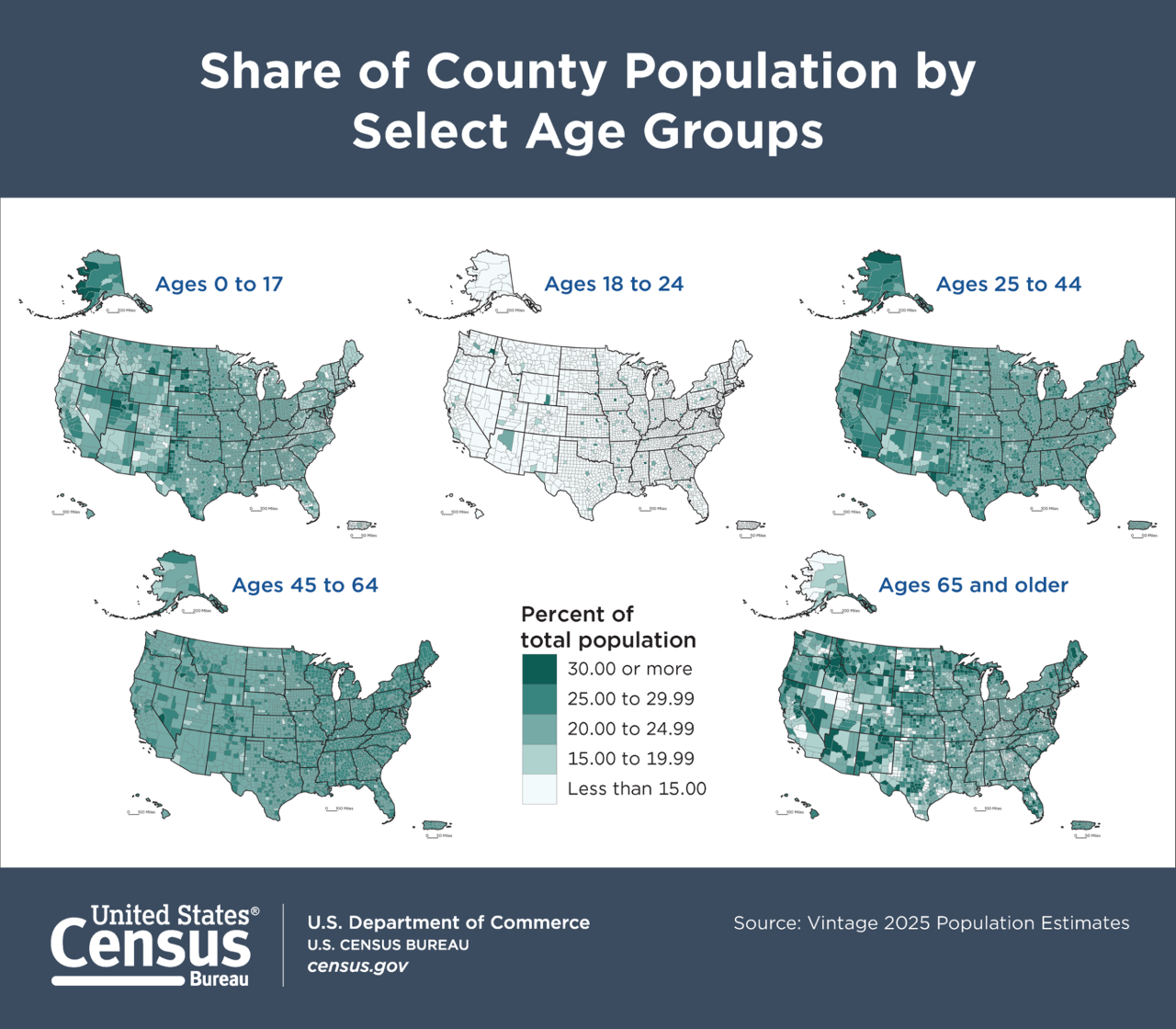
The latest Census data reveals a unique trend: the South is the only region in the U.S. experiencing an increase in residents under 18. Between 2020 and 2025, the number of young people rose by 1.1 percent under 18 and by 5 percent among those aged 18-24. This contrasts with declines in other regions such as the Northeast, Midwest, and West.
Nationally, the under-18 population fell by 2.4 percent, while the 18-24 age group saw a slight rise of 2.1 percent. The Northeast experienced a 4.1 percent drop in residents under 18 and a 2.1 percent decrease in the 18-24 bracket. The Midwest saw similar trends, with a 3.9 percent reduction in under-18s and a 1.9 percent increase in the 18-24 group. The West faced the steepest decline in under-18s at 5.7 percent, although the 18-24 demographic grew by 0.8 percent.
The Impact of Southern Growth
As the South continues to grow faster than the national average, it also outpaces other regions in overall population growth. Between April 2020 and July 2025, the South’s population grew by 6 percent, nearly double the national rate of 3.1 percent. This reflects strong positive migration patterns, according to the Census Bureau.
“The South stands out because it is seeing population gains in age groups that in other regions saw little change or are declining,” said Lauren Bowers, Census Bureau Population Estimates branch chief.
Why the South is Growing
The South’s growth is driven by factors like housing affordability, lower living costs, favorable tax environments, job opportunities, and good weather. During the pandemic, domestic migration from the Northeast and West to states like Florida and Texas surged, bolstering the population.
Although domestic migration has slowed since pandemic restrictions eased and return-to-office mandates began, the South’s overall growth remains robust. Big states like Texas, Florida, and North Carolina lead growth, although states like Mississippi and Alabama lag.
Potential Changes in Southern Dynamics
The increase in younger residents could reshape the economic and political landscape of the South. A younger population would strengthen the labor force, potentially boosting productivity and economic growth. Moreover, younger demographics are typically more adept with new technologies.
Politically, more young registered voters lean Democrat, according to a recent Harvard poll. As the population diversifies racially, political shifts may occur, though many Southern states still maintain a strong Republican presence. Increased racial diversity could challenge traditional voting patterns.
Addressing Aging Nation
Demographer William H. Frey highlights international immigration as a critical factor for mitigating national aging trends. Immigrants tend to be younger, helping maintain a younger population structure. Despite some domestic opposition to immigration, this demographic input is vital to continue population growth in the U.S.
For two decades, the decline in the number of white children under 18 has been notable. Immigrants counterbalance this decline and contribute to keeping the population younger.