The Impact of AI-Driven Data Center Expansion in the U.S.
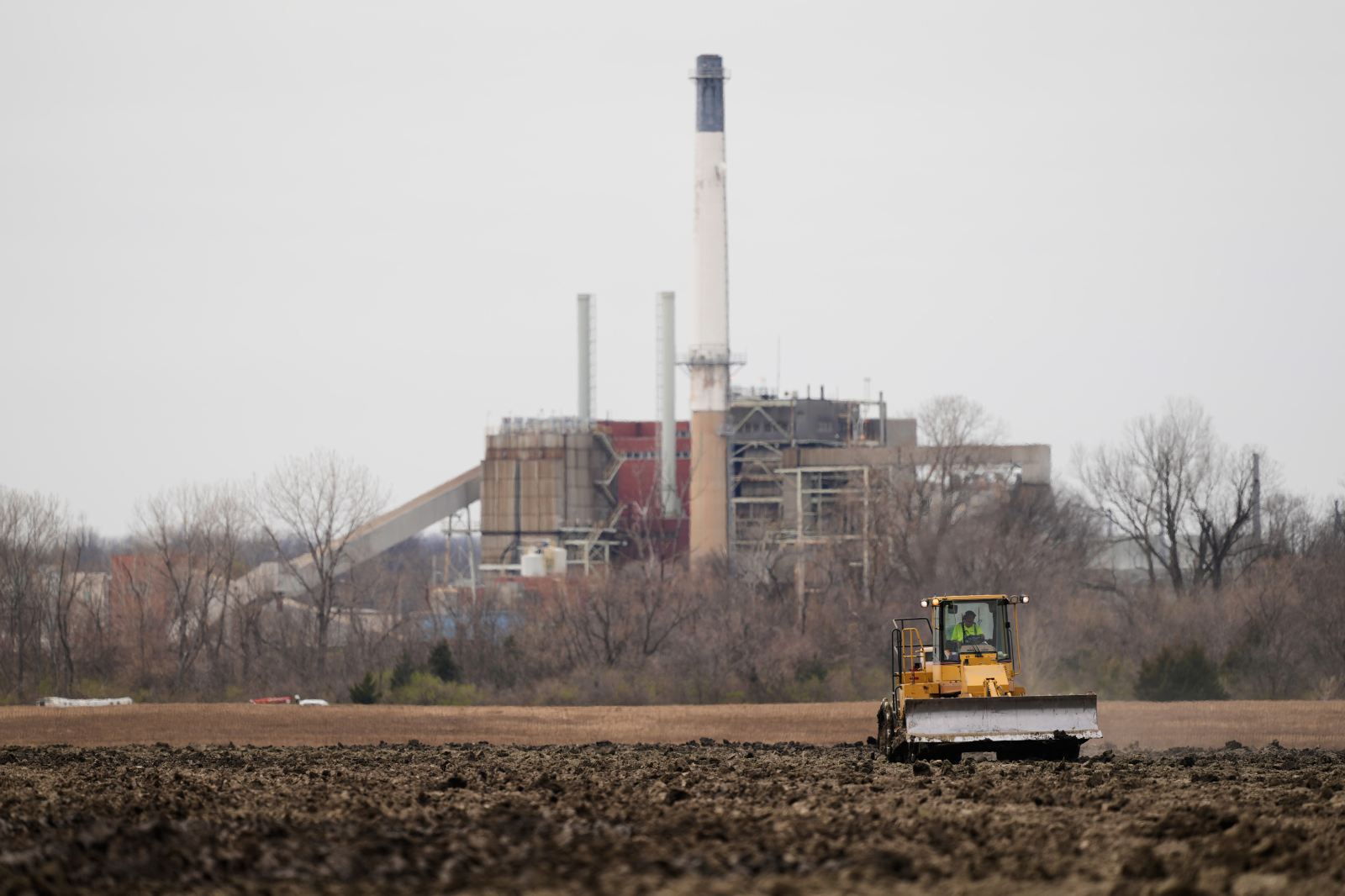
The global race in artificial intelligence is driving a significant increase in data centers across the United States. This surge prompts caution among lawmakers and municipalities due to the construction boom. According to the National Conference of State Legislatures (NCSL), at least 14 states are considering bans or temporary halts on new facilities.
These data centers require substantial electricity and water. Critics argue for a cautious approach to allow local leaders to evaluate long-term consequences. Supporters, including entities from the Trump administration, view data centers as essential for AI dominance over China.
State and Municipal Actions
Several states, such as Georgia, Maine, and South Carolina, are progressing in their legislative efforts regarding data center expansion. In Georgia, there is a proposal to block new constructions through 2028. Maine’s attempt at a moratorium on large facilities until late 2027 was vetoed recently. In South Carolina, local approval of data centers could be stalled until a comprehensive oversight framework is adopted.
Lawmakers in Pennsylvania propose a three-year moratorium coupled with impact studies. Meanwhile, some cities like Monterey Park, California, and areas in Georgia and Indiana have enacted bans.
Current Data Center Landscape
Across the United States, more than 3,000 data centers are operational, with over 1,500 new ones under construction, based on findings from the Pew Research Center. Most planned facilities are in rural regions, especially in the South and Midwest. Existing centers, accounting for 87 percent, are situated in urban areas.
As of April, Virginia and Texas lead in the number of operational data centers, followed by California, Ohio, and New York.
Environmental Concerns
Some proposed and ongoing constructions pose environmental concerns. Notably, many facilities are near the Ogallala Aquifer, a crucial water resource for agricultural production in the U.S. A 438-acre site near Odessa, Texas, is one such project, with Microsoft planning further expansion in Wyoming.
The aquifer spans eight states and experiences significant depletion. Research shows it loses over 100,000 acre-feet of water annually in some areas, with nearly 27 percent of stored water depleted. Recharge rates are painstakingly slow, often less than an inch yearly, as noted by Colorado State University’s Professor Sudeep Pasricha. This slow recharge means lost water could require centuries to replenish in certain areas.
Unlike surface reservoirs, the aquifer recharges extremely slowly.– Sudeep Pasricha, Colorado State University
For further inquiries on this subject, contact Newsweek editors Jenni Fink and Sam Wilson.