Justice Department Investigations into Former C.I.A. Director John O. Brennan
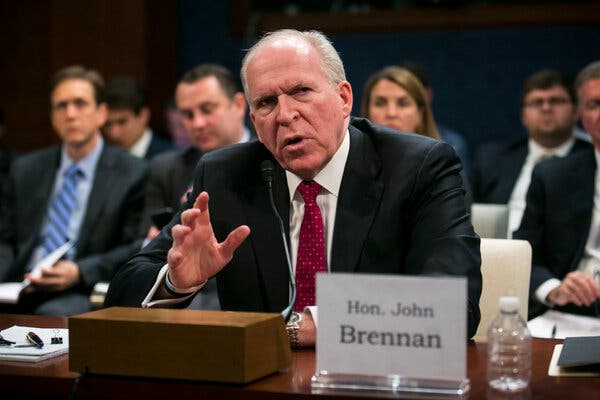
The investigations into John O. Brennan, the former director of the C.I.A., have been anything but ordinary. Since late last year, Justice Department officials and their media allies have openly discussed two investigations into Mr. Brennan, one of President Trump’s prominent political adversaries.
On Wednesday, Mr. Brennan’s lawyers responded by alerting the Trump administration that they plan to contest any charges against their client as vindictive persecution. This warning was part of a lawsuit filed in Federal District Court in Washington. The lawsuit demands that President Trump and senior Justice Department officials preserve all records or communications regarding the inquiries into Mr. Brennan. The attorneys aim to use these materials to support motions for vindictive and selective prosecution if charges materialize.
The request to maintain records in a case not yet filed is quite unusual. However, it highlights the abnormal nature of Mr. Trump’s recent vendetta, as his efforts to leverage the judiciary against opponents have intensified. In response, defense attorneys have begun countering at earlier stages of investigation.
The inquiries into Mr. Brennan, who directed the C.I.A. during President Obama’s second term, have been unconventional. It seems prosecutors targeted him initially and later sought a crime to charge. Ultimately, department officials settled on two separate theories.
The Washington-based probe zeroed in on whether Mr. Brennan lied to Congress regarding his role in a January 2017 intelligence assessment. This assessment concluded that Russia attempted to aid President Trump in winning the 2016 election.