Impact of AI on Medical Documentation
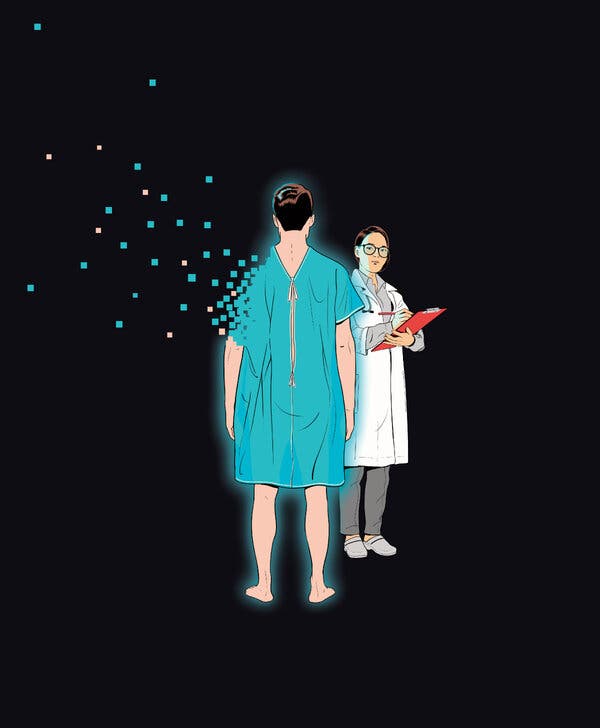
For generations, summarizing a patient exam has been crucial for physicians aiming to make an accurate diagnosis. This task involves creating a clinical note, detailing the patient’s statements, observations made, possible diagnoses, and treatment plans. Medical students begin this practice early in their education, even before completing anatomy and physiology courses. This task acts as an initiation, marking the transition from student to doctor.
Initially, writing these notes feels like a valuable learning experience. However, as medical students progress to become resident and attending physicians, the task can feel burdensome. It seems to detract from engaging directly with patients and addressing their needs. Some physicians believe reclaiming this time could enhance patient care.
The introduction of artificial intelligence (AI) assistants in hospitals offers a potential solution. As ER doctors work, AI listens to patient interactions, producing accurate, comprehensive notes. This technology aims to allow doctors to focus more on patient care rather than documentation. The CEO of a leading AI medical-scribe company emphasizes how such tools can improve the quality of physician-patient interactions.
AI scribe developers promise significant benefits, such as reducing clinician burnout and enhancing health system efficiency. Since 2019, nearly $5 billion has been invested in AI scribe startups. A study highlighted that many nonprofit health systems in the U.S. are already piloting or implementing these tools. Some facilities report an adoption rate as high as 80%.
Adam Rodman, a Harvard Medical School professor and director of AI programs at the Carl J. Shapiro Institute for Education and Research, noted AI’s rapid adoption in medicine. While AI’s potential includes diagnosing diseases, assessing risk factors, and uncovering new drugs, its current strength lies in listening to conversations and generating clinical notes swiftly.
The process involves more than simple transcription. AI scribe technology synthesizes information from doctor-patient conversations, structuring it into clinically valid notes. This innovation could redefine the traditional clinical documentation methodology.