The Strain on U.S. Security Amid Iran Conflict
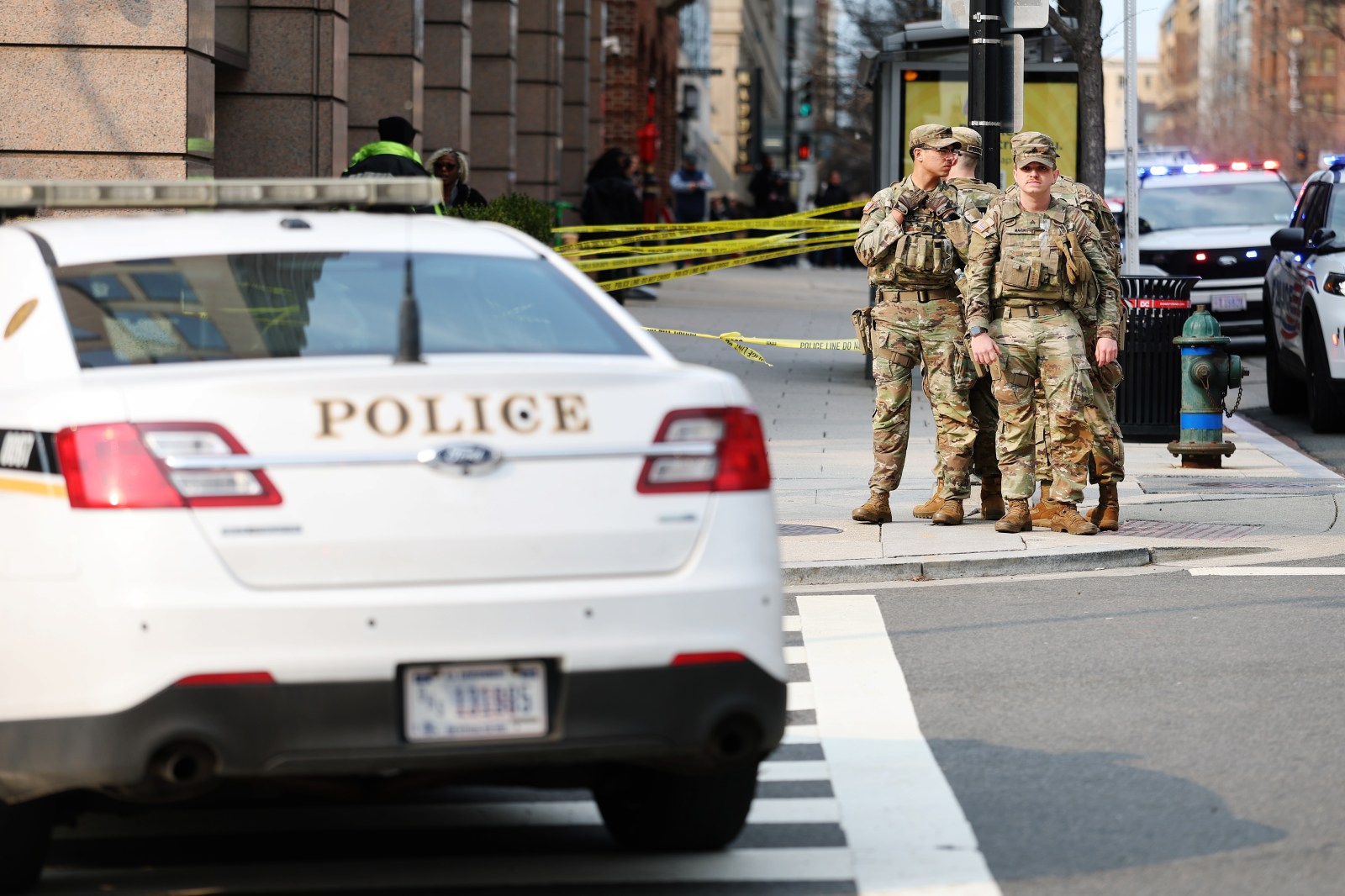
The United States is involved in its largest military conflict since the Iraq War. This has raised concerns about national safety. A survey by the Institute for Global Affairs at Eurasia Group reveals that twice as many Americans feel the Iran conflict has decreased U.S. safety compared to those who feel safer. Security officials emphasize potential threats from Iran within the United States.
Local Leadership in Security
City leaders play a key role in homeland defense. There is a significant concern that post-9/11 systems designed to detect and neutralize threats may not be operating efficiently. Mayors of cities like Atlanta, Boston, Dallas, Kansas City, and Philadelphia are preparing for FIFA World Cup matches while nationwide events celebrate America’s 250th anniversary. These occasions test public safety, especially in strained circumstances.
The Scope of Iranian Threats
Experts long predicted various responses from Iran to U.S. attacks. Possibilities include strikes against U.S. regional assets, proxy attacks on American interests, economic disruptions with a Strait of Hormuz blockade, and direct threats to the U.S. mainland. The most concerning scenario—a large-scale attack on U.S. soil—has not happened, but threats are tangible. They range from social media disinformation and cyberattacks on critical infrastructure, to lone attackers radicalized online, and even the use of covert agents.
Systematic Coordination and Challenges
The strength of U.S. security depends on cooperation across federal, state, and local levels. Post-9/11, agencies like the National Counterterrorism Center and Department of Homeland Security fostered new partnerships. Federal agencies offer threat assessments, translating them into actionable intelligence for local officials. This model helps prevent large-scale attacks, provided all elements function correctly. Delays or communication gaps at the federal level pose dangers to local operations during critical times.
Currently, these systems face pressure. Local law enforcement must adapt to evolving hybrid warfare tactics. However, they rely on federal support, which faces its issues. A security bulletin warning of Iran-related threats was delayed for local law enforcement. The FBI’s counterintelligence staffing reductions hinder threat tracking. Leadership changes in agencies like the Department of Justice further strain seamless operations. Such changes may also stifle security assessments conflicting with existing policies.
Calls for Enhanced Coordination
Some local agencies, including the New York Police Department, are updating threat briefings and increasing deployments. Yet, local resources cannot substitute federal guidance. Cyber threats from Iranian-linked actors focus on U.S. energy systems, water facilities, and transportation networks. Disruptions here could spiral into public safety crises. These cyber threats and physical ones are interconnected, each magnifying the other’s impact.
Mayors shoulder immediate public safety responsibilities. They have invested in robust training and partnerships to combat both physical and digital attacks. With ongoing conflict and upcoming global events, priorities should be clear: strengthen coordination, ensure timely threat communication, and reinforce expertise. U.S. safety hinges on a federal government that meets local leaders’ needs.
The full survey insights are available. Leigh O’Neill, the article’s author, serves as a senior adviser at the Institute for Global Affairs at Eurasia Group, leading programs for U.S. mayors and city officials. Her views are personal and not representative of the institution.