Guide to Treating and Preventing Ingrown Hairs
Discovering an ingrown hair after shaving, waxing, or epilating is frustrating. It occurs when hair curls into and gets trapped beneath the skin, leading to itchiness and pain. Fortunately, ingrown hairs, often called razor bumps, can be treated at home. However, they don’t disappear overnight, and patience is key to avoiding infection and scarring later on. I consulted four dermatologists for advice on treating and preventing ingrown hairs. Their insights helped me roundup treatments and preventatives, which are either dermatologist-recommended or tested by NBC Select staff.
Treatment Options
Here are some of the top picks for treating ingrown hairs:
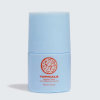
- Roll-on Treatment: A fragrance-free salicylic acid spot treatment. It prevents ingrowns from forming into larger bumps and fades dark spots from previous ingrowns. The rollerball applicator applies smoothly, keeping your hands from transferring bacteria to the affected area. The tonic contains zinc, glycolic acid, and niacinamide.
- Drawing Salve: Prid’s Drawing Salve is used for ingrown hairs, cystic acne, and slivers. With a tar-like consistency and noticeable smell, it’s made with sulfur, silicea, and arnica, which relieve itch, draw out trapped hair, and reduce pain, respectively. Apply and cover with a bandage to prevent stains.
- Healing Serum: Fur’s Ingrown Concentrate includes tea tree oil for anti-inflammatory effects, plus chamomile extract and various oils for hydration. Use the included finger mitt to exfoliate before application.
- Overnight Treatment: Mario Badescu’s Drying Lotion dries ingrowns overnight, reducing redness and swelling by morning. It contains salicylic acid and calamine, and is applied with a cotton swab directly onto the bump.
Preventative Measures
Preventing ingrown hairs involves skincare before, after, and between hair removal sessions.
- Body Wash: Using a salicylic acid body wash reduces bacteria and cleans skin before hair removal. Choose options with moisturizing ingredients like glycerin or shea butter.
- Face Wash: For facial ingrowns, gentle acne face washes with salicylic acid clear oil and unclog pores.
- Exfoliating Spray: Billie’s Ultimate Skin Solution spray combines salicylic acid and aloe vera to dissolve dead cells while calming skin.
- Liquid Exfoliant: After shaving, use BHA-based products to close hair follicles and prevent bacteria entry. Paula’s Choice exfoliant contains salicylic acid and green tea.
- Witch Hazel Toner: For sensitive skin, Thayer’s Witch Hazel Toner closes follicles post-shave without harshness. Available with additional ingredients like rose petal or lavender.
- Moisturizer: Moisturizing completes hair removal. CeraVe’s cream provides hydration with hyaluronic acid and ceramides.
Shaving Best Practices
Improving your shaving technique can help reduce the likelihood of ingrown hairs.
- Shave at the end of a shower for softened skin.
- Use moisturizing shaving cream or gel to reduce friction.
- Shave with the grain using short, gentle strokes.
- Choose razors with combs that lift hair, preventing ingrowns.
- Keep razors dry and replace them regularly to prevent dullness and bacterial growth.
FAQs on Ingrown Hair
What causes ingrown hairs? Ingrown hairs occur when hair curls and grows back into the skin instead of upwards. This common issue can result from shaving or other hair removal methods that remove hair from the follicle.
Where do ingrown hairs appear? Ingrown hairs can occur anywhere with hair but are more frequent in coarse hair areas like the face, neck, pubic region, and underarms.
Who is prone to get them? Those with curly or coarse hair are more susceptible. However, anyone can develop ingrowns, especially with improper hair removal.
Can I pop or dig out ingrown hairs? Experts advise against picking or popping ingrown hairs to avoid infection, scarring, and inflammation. Ingrowns should be managed by dermatologists.
When to seek medical attention? For persistent or painful ingrowns, consult a dermatologist. Severe cases may require prescription treatments or alternative hair removal methods.
Dermatologist Expertise
The information is verified by dermatologists like Dr. Joshua Zeichner, Dr. Y. Claire Chang, Dr. Jane Yoo, and Dr. Mara Weinstein Velez, ensuring reliable advice for readers.