The Catholic Bishops’ Challenge to Florida’s Jury System
Introduction
America’s Catholic bishops are asking the Supreme Court to compel Florida to change its jury selection process, claiming it violates the U.S. Constitution. Currently, Florida law requires a 12-member jury only in capital cases. Other criminal cases use six-member juries.
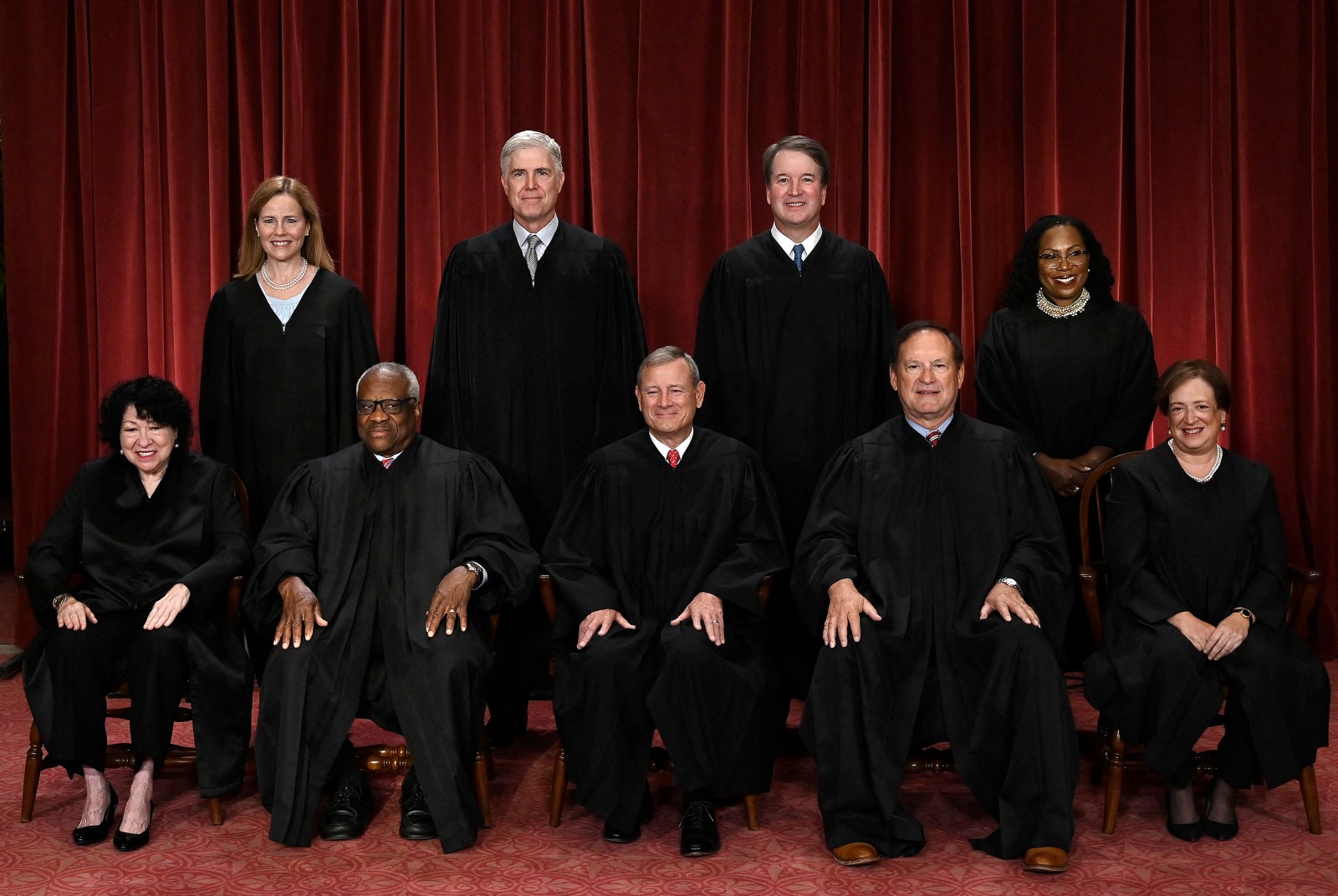
The Supreme Court’s Role
The Supreme Court will consider a case from Hamed Kian, who argues that being tried by a six-member jury infringes on his Sixth Amendment rights. Various groups, including the American Civil Liberties Union and the Catholic bishops, support this challenge.
Kian’s case questions how many jurors are necessary for a fair trial in serious criminal cases.
Kian, a chiropractor, appealed his convictions arguing a right to a 12-member jury for serious crimes based on the Sixth and 14th Amendments. The Supreme Court’s agreement to hear the case could lead to a reassessment of past rulings. Kian was convicted by a six-member jury for practicing chiropractic medicine without a valid license.
Historical Precedents
Traditionally, criminal juries in England and the U.S. had 12 members. However, in 1970, the Supreme Court decided in Williams v. Florida that the Constitution does not mandate 12-member juries. This allowed Florida and some other states to use smaller juries. Attorneys for Kian argue the 2020 decision in Ramos v. Louisiana, which required unanimous jury verdicts, challenges the foundation of the Williams decision.
Catholic Bishops’ Perspective
The bishops claim the Constitution’s historical context includes 12-member juries. They contend the decision in Williams strays from this historical meaning. The bishops’ brief highlights the role of the church in developing criminal justice protections.
The bishops argue the historical meaning of ‘jury’ included 12 members.
They base this claim on legal traditions and early American interpretations. Lawyers, including former U.S. Solicitor General Noel Francisco, filed the bishops’ brief.
Florida’s Defense
Florida defends its jury system, asserting Williams remains a valid precedent. The state points out that smaller juries perform similarly to larger ones regarding fairness and representation. Changing this precedent could affect thousands of past cases and current appeals.
Conservative Legal Debate
The case occurs amidst a debate on originalism, interpreting the Constitution by its original meaning. Some conservative justices and scholars question the validity of relying on Williams, even within the conservative movement itself.
Case Implications
If the Supreme Court rules in favor of Kian, it could change criminal procedures in many states and affect numerous past convictions. A decision upholding Florida’s system would affirm state flexibility in jury formation. This rare conflict sees Catholic bishops and Republican states on opposing sides in a constitutional debate, highlighting potential shifts in judicial interpretation toward originalism.