Iran’s Military Reshuffle Signals Strategic Continuity
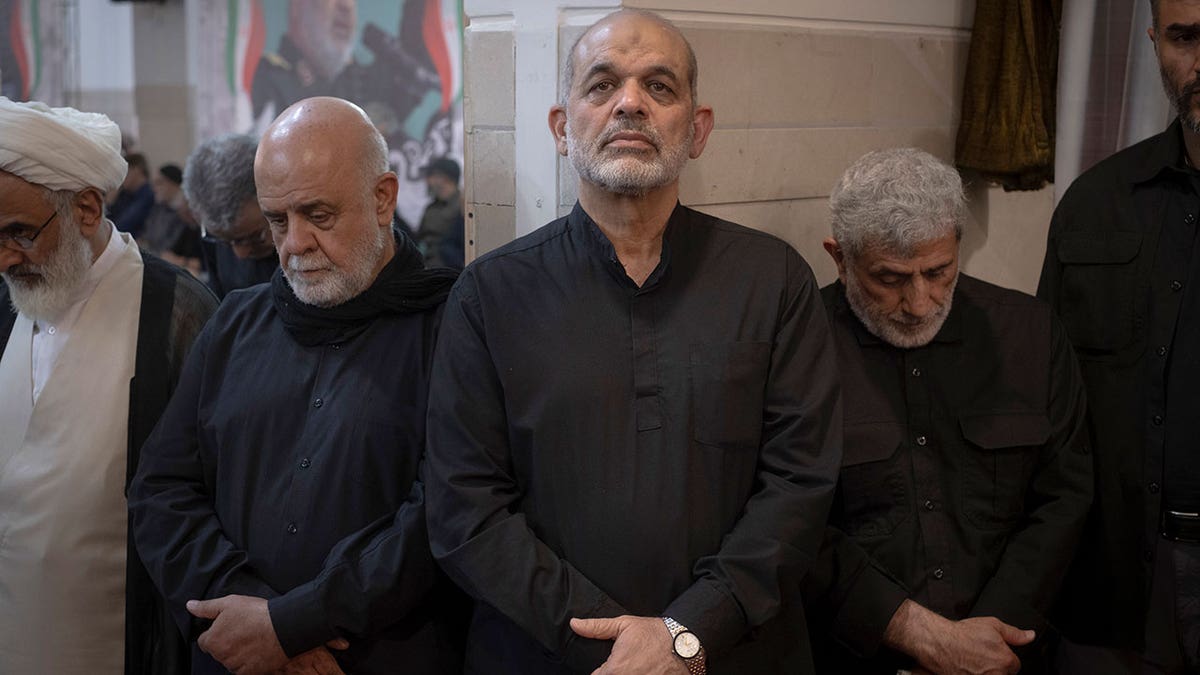
Military appointments in authoritarian states during wartime reveal priorities, threat perceptions, and leadership concerns. The recent changes to Iran’s military and security hierarchy under Supreme Leader Mojtaba Khamenei focus on confronting the United States and Israel while preserving the Islamic Republic’s stability.
The leaders promoted are veterans of the revolutionary-security framework, experienced in war, intelligence, and domestic control. Claims of leadership change causing regime transformation should be viewed with skepticism. True change requires institutional, ideological, and strategic shifts.
By those measures, the Islamic Republic has not disappeared.
Tehran continues relying on those whose careers were forged in institutions opposing Washington and Jerusalem.
Key Appointments and Their Implications
Ali Abdollahi, the new chief of the General Staff, represents continuity within the revolutionary-security structure. His background signals ongoing reliance on established defense strategies.
Ahmad Vahidi’s appointment to lead the IRGC highlights significant implications for the US and Israel. His past in intelligence and extraterritorial operations underlines Tehran’s commitment to confronting these nations through established strategies.
The IRGC, experienced in asymmetric warfare, poses consistent challenges to conventional opponents. Vahidi’s leadership aligns with Iran’s strategic emphasis on indirect confrontation.
Basij Strengthening
Hossein Taeb’s return to command the Basij reflects the regime’s serious domestic security approach. Operating across various societal areas, the Basij serves purposes of ideological propaganda, surveillance, and unrest suppression.
These leadership choices convey the regime’s focus on managing both foreign adversaries and internal stability. Military setbacks and economic challenges may exacerbate internal dissent, seen by Tehran as interconnected threats.
Confrontation Dynamics
The new leadership structure suggests Iran remains focused on a dual-front strategy. Facing perceived existential threats, Iran is unlikely to moderate its stance. Instead, it may intensify regional pressures using proxies, missiles, and intelligence operations.
Regarding Washington and Jerusalem, attacking the core institutions remains vital. Targeting personnel alone does not alter the strategic landscape if existing frameworks endure.
The strategic challenge involves dismantling the systems upholding antagonistic policies. The United States and Israel must recognize that regime survival tactics blend revolutionary ideology with military and intelligence capabilities.