A Detailed Dive into Sonny Rollins’s Jazz Legacy
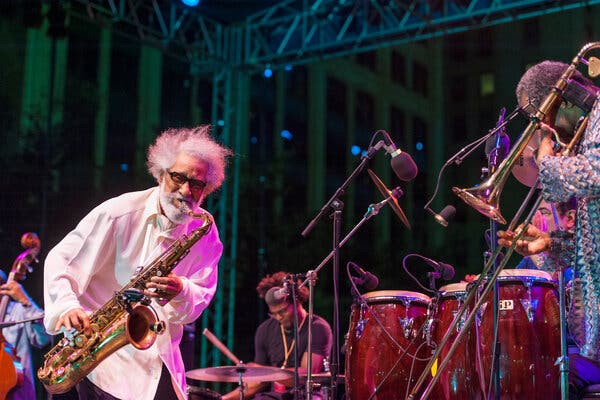
Walter Theodore Rollins, known as the “saxophone colossus,” has earned an unparalleled stature in the jazz world, hailed as both a Prometheus and a heavyweight champion. Nate Chinen aptly described him as the “unflagging sovereign of the tenor saxophone.”
Sonny Rollins’s formative years in 1940s Harlem were profoundly influenced by swing-era legends like Coleman Hawkins and jump-blues artists such as Louis Jordan. Yet, it was the radical improvisations of Charlie Parker and the bebop revolution that reshaped Rollins’s artistic perspective. Aidan Levy’s comprehensive biography, Saxophone Colossus: The Life and Music of Sonny Rollins, captures Rollins’s reflections on Parker: “He was going against the grain. Highly intricate, involved, complicated, intellectual.”

Bebop’s demands of physical endurance and swift intellectualism became the cornerstone of Rollins’s approach. Many of his compositions have ascended to the status of jazz standards, such as “St. Thomas,” “Oleo,” and “Airegin.” Despite their success, Rollins consistently dismantled and reimagined his creations, exploring how their abrupt transformations could breed new forms.
Rollins’s sound, both elusive and unforgettable, compels continuous listening. Over a career spanning seven decades and more than 60 albums, his devotion to playing persisted. Although Rollins, now nearing 95, has not performed publicly since 2012 due to health issues, he remains an avid listener, often discussing his favored contemporary saxophonists in interviews.
This curated exploration of Rollins’s discography, guided by musicians, scholars, and critics, showcases his enduring influence. Embedded playlists offer a deeper engagement with his work, inviting readers to share their own favorite pieces in the comments.