Sonny Rollins: A Jazz Icon’s Life and Legacy
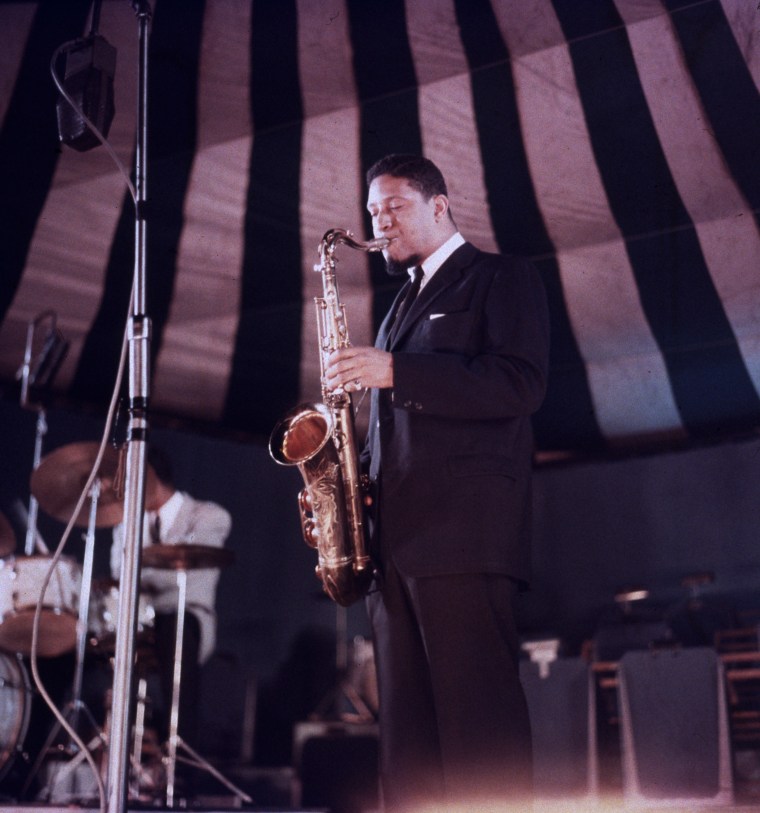
Sonny Rollins, renowned tenor saxophonist, passed away at the age of 95. Rollins died at his home in Woodstock, New York. His spokesperson, Terri Hinte, noted that he had been largely housebound in recent years due to various health issues. No specific cause of death was provided.
Influential Career and Musical Legacy
From a young prodigy to a masterful solo artist, Rollins was celebrated for his improvisational prowess. He was a towering figure in the bebop era, standing alongside legends like John Coltrane and Charlie Parker. Over the years, Rollins maintained a restless drive to explore new styles, making him a leading innovator in jazz.
He famously played on the Rolling Stones’ 1981 album “Tattoo You,” adding a memorable sax solo to “Waiting on a Friend.” Despite widespread success, he never grew complacent. He characterized himself as “a work in progress,” never settling into a single style.
Achievements and Awards
Rollins found moments of brilliance throughout his career, releasing acclaimed albums into the 1990s and 2000s. Despite declining health, he stayed active, touring well into his 80s. Pulmonary fibrosis led to his retirement, but not before he won Grammy awards in 2001 and 2006 for his albums “This is What I Do” and “Without a Song: The 9/11 Concert.”
Rollins was present during a pivotal 9/11 concert, having been evacuated from his apartment near Ground Zero. Encouraged by his wife Lucille, he performed shortly after the attacks. Lucille passed away in 2004. He is survived by a nephew and nieces.
Journey Through Jazz and Personal Challenges
Sonny Rollins’ first major break in music came with Thelonious Monk’s band. He quickly found himself playing with greats like Miles Davis and Bud Powell. However, in the 1940s and 1950s, his career nearly derailed due to heroin addiction. After stints in jail, Rollins sought treatment in 1954 and experienced a spiritual awakening.
Returning to music, he joined the Max Roach-Clifford Brown quintet and released the influential album “Saxophone Colossus.” He innovated by performing with a pianoless trio, and despite his popularity, chose seclusion for several years to hone his craft.
A Return to Jazz with a New Vision
Rollins embraced the evolving jazz scene upon his return in 1961, adding free jazz elements to his repertoire. This move resonated with some but divided others. In the mid-1960s, he delved into soundtrack composition, including for the film “Alfie.” His trip to Japan introduced him to Zen Buddhism, prompting another retreat.
When Rollins re-emerged in the 1970s, he was recognized as a legend. His achievements included a Guggenheim fellowship and induction into the Downbeat Hall of Fame.
Early Life and Self-Taught Genius
Theodore Walter Rollins was born in Harlem on September 7, 1930, into a musically inclined family. Although he began piano lessons at eight, he gravitated towards the saxophone by 11. Rollins taught himself to play, rising quickly to prominence as a tenor sax player in New York clubs.
Rollins leaves behind numerous unreleased recordings. Reflecting on his legacy, he expressed no desire to control his posthumous output. Relieved of any future expectations, he said, “Thank God.”