NATO’s Defense Transformation Amid Russian Threats
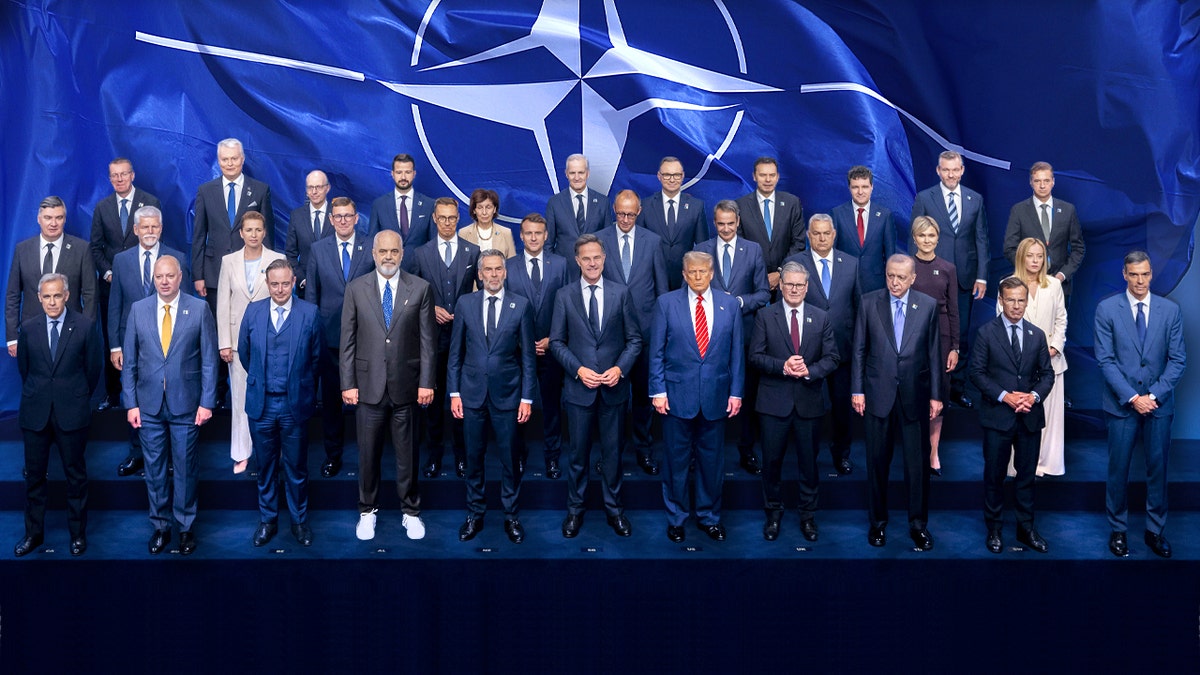
NATO has seen a significant shift in defense spending, driven by pressures from former U.S. President Donald Trump and the ongoing conflict in Ukraine. In recent years, NATO countries have increased their defense budgets significantly, marking the highest levels since the Cold War. This shift follows agreements to aim for a defense spending rate of 5% of GDP by 2035.
U.S. Pressure and Russia’s Influence
Trump criticized NATO members for over-relying on U.S. military protection while neglecting their defense budgets. His threats to reconsider U.S. commitments pushed spending to the forefront of NATO’s priorities. The 2022 Russian invasion of Ukraine further highlighted the need for increased spending. Jim Townsend, a former deputy assistant secretary of defense for Europe and NATO policy, noted that both Trump’s actions and the invasion motivated NATO allies to bolster their defense budgets.
Commitment to Spending Increases
At a summit in The Hague in 2025, NATO leaders committed to raising defense spending to 5% of GDP by 2035. Poland, among the NATO members closest to Russia, has reacted swiftly, dedicating a larger portion of its economy to defense than any other alliance member. Additionally, Estonia, Latvia, and Lithuania have all dramatically increased their military expenditures since 2022. Germany launched a major rearmament effort, establishing a 100 billion euro fund to rebuild its armed forces.
Public and Political Reactions
The increase in defense spending has been substantial. European countries and Canada reported a 20% rise in defense budgets in 2025 compared to the previous year. NATO’s annual reports show that these countries have collectively spent hundreds of billions more on defense since 2014. The increased investment has been directed towards purchasing tanks, air defenses, fighter jets, and artillery systems to replenish stockpiles depleted by the war in Ukraine.
Challenges in Execution
However, there remains a gap between budget increases and capability delivery. High spending does not directly translate to immediate military readiness. Townsend highlighted that while the financial commitments are crucial, actual results in military capacity will take time to manifest. The Ukraine conflict demonstrated the rapid depletion of ammunition stockpiles and the stress on peacetime defense industries.
Industrial Capabilities and Production Limits
Both Europe’s and America’s defense industries have dwindled since the Cold War. The current challenge lies in matching rising defense budgets with an expanded production capacity. Factories cannot increase weapon production instantly, despite increased orders. This was evident when European governments, after announcing extensive procurement plans, faced delays due to strained production lines and inadequate supply chain frameworks.
Reliance on American Military Support
NATO allies, especially in Europe, continue to rely heavily on U.S. military technology and production. Townsend pointed out the difficulty European countries face in quickly rebuilding essential capabilities like air defense systems and logistics networks. The demand for systems such as Patriot missiles has surged, extending production timelines.
As a result, some NATO countries have sought alternative suppliers for quicker fulfillment. Poland, for instance, has turned to South Korea for major weapons procurements. Meanwhile, European nations strive to reduce dependence on U.S. suppliers by increasing domestic production capacities.
Future Prospects and Strategic Questions
Rebuilding Europe’s military capabilities will require years of sustained effort. The pressing question remains whether NATO can close the current capability gap quickly enough to deter further Russian aggression. Townsend reflects on the potential risks, questioning if Russia might exploit this transitional period.