Controversies Surround Conditions at Delaney Hall ICE Facility
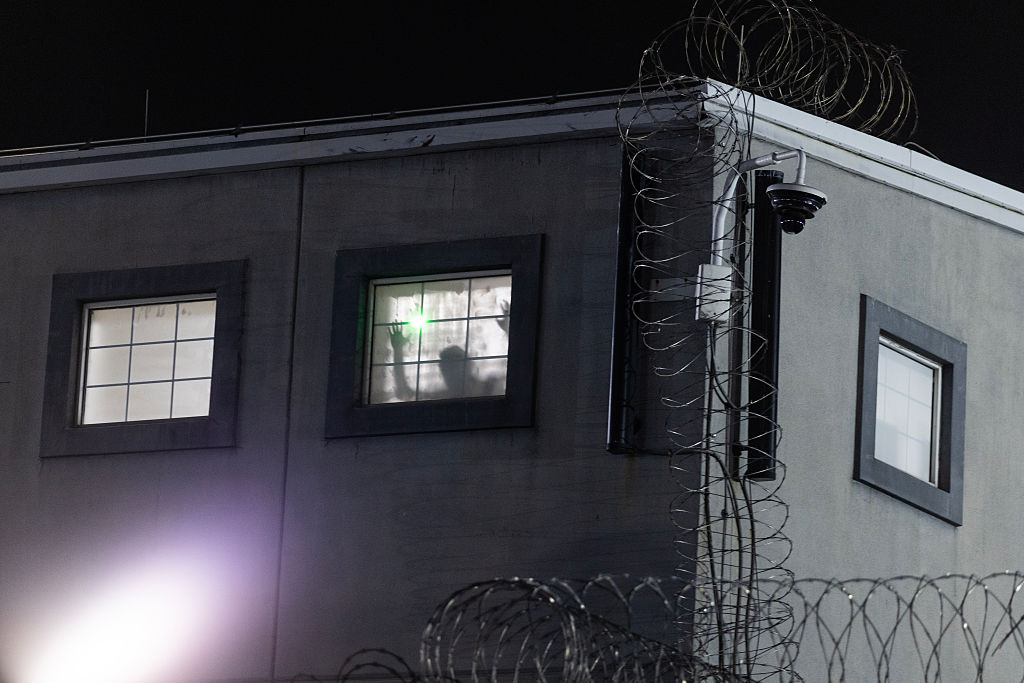
Two individuals with direct knowledge of the conditions inside Delaney Hall, an Immigration and Customs Enforcement (ICE) detention center in New Jersey, expressed concerns about the treatment of detainees. A recently released detainee and the wife of a man still held there reported experiencing medical neglect, retaliation, and unsanitary conditions. These accounts contradict ICE’s public denial of any hunger strike.
Allegations from Inside
An anonymous detainee described his time at Delaney Hall as ‘traumatic,’ recalling an incident where guards accused him of wrongdoing and physically assaulted him. He spent nearly a month in detention after his April arrest, facing inadequate medical care and poor food quality. For over two weeks, he suffered from diarrhea, yet received no medication. Before his release on May 19, he witnessed others with serious medical needs left untreated, including a man with critically high blood pressure.
The wife of another detainee relayed similar conditions. Her husband, detained for about four months, frequently fell ill with the flu and waited days for medical requests. She detailed processed food, unsanitary bathrooms that detainees cleaned themselves, and a shortage of toilet paper. She noted retaliation against hunger-striking detainees, including an incident where guards allegedly used force and pepper spray. Detainees faced pressure to leave their units, enabling officials to deny the strike’s existence. Her husband’s pending habeas petition underscores their plea for due process, which has emotionally affected their children.
Public Protests and Official Reactions
Delaney Hall has drawn protests over its conditions. Advocates report over 200 detainees participating in hunger and labor strikes since mid-May, prompted by concerns over food, medical care, and sanitation. Federal officials deny any strikes. Demonstrations outside have grown intense, with law enforcement responding with pepper balls and tear gas, claiming to act against obstruction and assaults.
Visits by lawmakers resulted in descriptions of inhumane conditions. Governor Mikie Sherrill was denied entry during a visit attempt. Scott Mechkowski, a former ICE official, dismissed the protest as political maneuvering. He refuted allegations of subprime conditions and reiterated ICE’s lawful mission obstructed by alleged agitators.
ICE and DHS Responses
Lauren Bis, acting assistant secretary at DHS, which oversees ICE, denied any hunger strike or neglect, citing anonymous claims as unverifiable. Bis asserted that ICE provides meals, medical care, and necessary amenities. She attributed the rise in habeas petitions to activist-driven challenges against enforcement actions, claiming vindication through recent court upholding mandatory detentions.
Nationwide Context of Hunger Strikes
Advocates note Delaney Hall’s situation reflects a broader pattern, with hunger and labor strikes reported from California to New Jersey. In California’s Adelanto, detainees cited unsanitary conditions and lack of medical care. Delaney’s strike began over denial of fresh food, medical attention, and air conditioning.
Under the Trump administration, immigration detention expanded, aggravating existing issues. Advocates report 18 deaths in ICE custody in 2025 alone. Political figures, including New Jersey Democrats, demonstrated support outside Delaney Hall, facing a forceful response from ICE.
Advocacy Groups Call for Action
Esmeralda Santos from Shut Down Adelanto Coalition highlighted a pattern of abuse and dehumanization within ICE facilities. Kathy O’Leary from Pax Christi noted detainees began organizing after Senator Cory Booker’s oversight visit. Nanci Palacios Godinez from Detention Watch Network criticized immigration detention as unnecessary and abusive.
With the situation at Delaney Hall as a focal point, debates over immigration detention in the U.S. persist. As protests increase and calls for access and transparency rise, the condition of the Newark facility and government responses to these allegations grow more pressing.