Student Protests and Financial Troubles Fuel Crisis in France
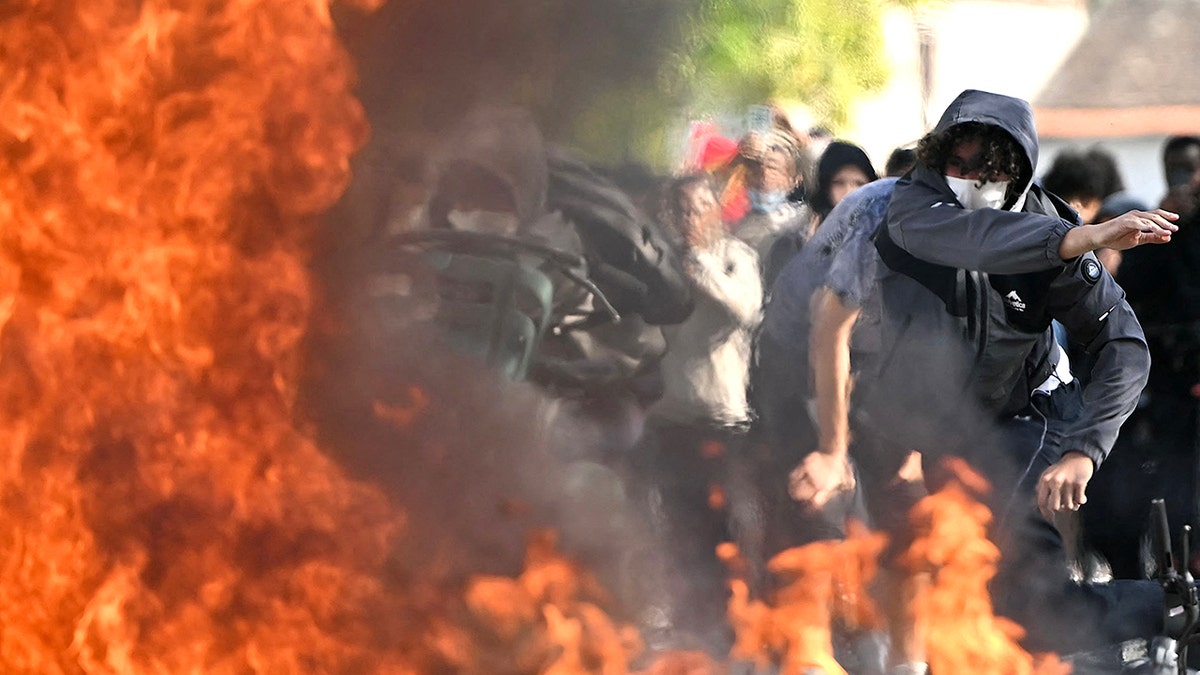
Student protests in France over deteriorating school conditions highlight a wider crisis. Despite substantial public spending, schools remain crumbling. Experts caution that financial issues, political instability, and radical movements are escalating unrest.
Origins of the Protests
What started as protests about poor school conditions is now influenced by political forces, according to Simone Rodan-Benzaquen of the Foundation for Defense of Democracies. She emphasizes that, although anger is justified, organized violence isn’t a solution.
Students protested over issues like large class sizes, teacher shortages, and insufficient infrastructure. Initially centered around Paris, demonstrations have now spread nationwide.
Financial Strain and Political Challenges
Data from France’s Education Ministry shows significant spending on personnel costs, but investments in infrastructure remain low. Harvey Feigenbaum, a professor and expert on French politics, noted the country’s deep debt and economic pressures have aggravated student frustrations. France’s public debt, at 117.6% of GDP, hinders additional spending to resolve unrest.
The fragmented political landscape provides opportunities for extremist parties to exploit public dissatisfaction.
Political Instability
President Emmanuel Macron’s initial centrist strategy weakened traditional political parties, creating room for polarized movements. Feigenbaum argues this left France without a stable governing coalition. Macron’s pension reforms illustrate challenges in reducing public benefits, previously sparking protests.
A snap election in 2024 resulted in a divided National Assembly, hindering cohesive government action. Prime Minister Sébastien Lecornu now handles the unrest, while the political system’s stability is questioned.
Educational Challenges Despite High Spending
The protests highlight persistent problems despite high public spending on education. France spent more per student compared to the OECD average in 2023, yet basic shortages persist. Responsibility for school facilities lies with regional authorities, while the national government manages staffing.
Public discontent has forced concessions, including Education Minister Édouard Geffray’s plan to deploy 3,000 educators to affected areas, costing millions. Yet, fundamental questions remain about the allocation of resources.
Political Influence on the Protests
Radical-left party La France Insoumise (LFI) led by Jean-Luc Mélenchon is perceived as influencing the unrest. Accusations arise of the party fomenting unrest, although LFI denies responsibility.
Rodan-Benzaquen argues Mélenchon’s strategy before the 2027 presidential election is to heighten political confrontation. This mobilizes his base while portraying the far right as a serious threat.
The protest involvement of far-left politicians and accusations of Islamist influence point to a complex web of interests.
Addressing the Crisis
The government’s concessions haven’t ended protests. Schools remain closed while the student demand for reform persists. Nearly 10% of teaching hours are unstaffed.
Rodan-Benzaquen warns of a society split by different political realities, hindering dialogue. Social media amplifies polarization and conflict.
Feigenbaum highlights the dilemma of a government burdened by financial obligations, lacking the consensus needed for reform. France’s challenge lies in reconciling its commitments with financial reality before divisions deepen.