States Combat Abuse of Cash Welfare Programs
California’s shadow welfare system has allegedly been providing billions in housing and health care to illegal immigrants, according to Christopher Rufo of the Manhattan Institute on ‘America’s Newsroom.’ Across the U.S., certain purchases like beer, liquor, cigarettes, and pornography have been funded by cash welfare due to a loophole in federal law. States are beginning to tackle this issue with guidance from the Trump administration, marking an important step in the fight against fraud.
The U.S. Department of Justice (DOJ) is threatening to cut welfare funding for states failing to report illegal immigrants.
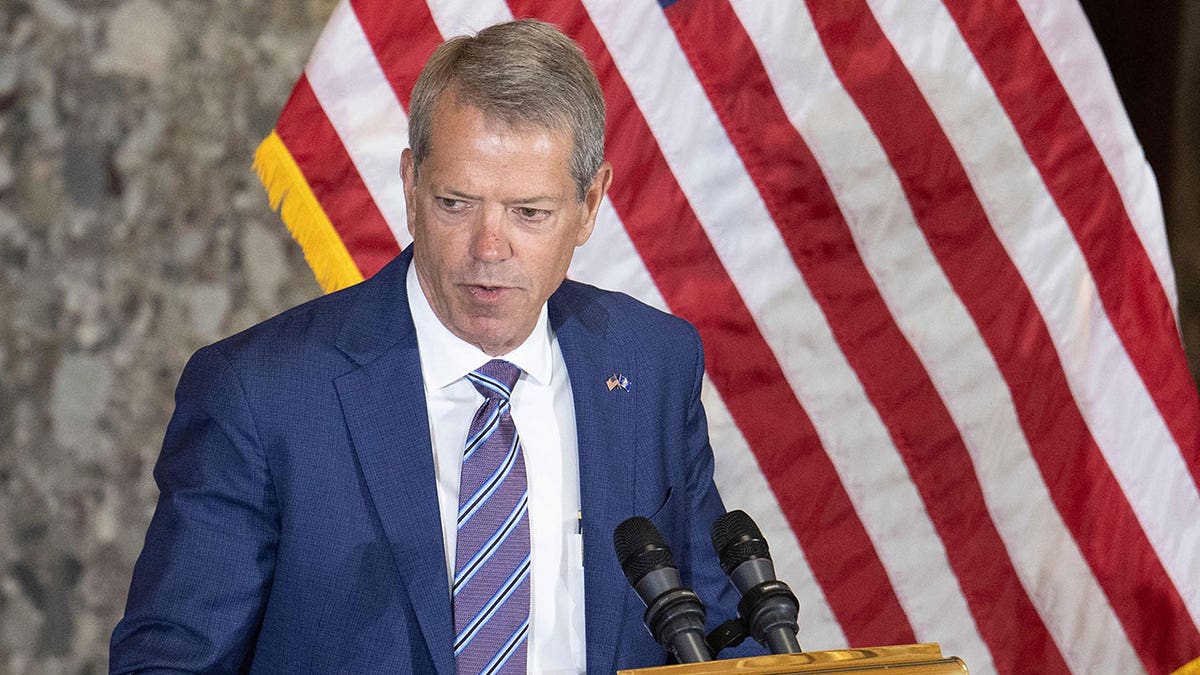
Nebraska is the latest state to address this loophole. On October 9, Governor Jim Pillen directed that recipients of cash welfare be barred from spending funds on items such as tobacco, pornography, tattoos, and fortune-telling services. This policy aims to ensure that funds from the Temporary Assistance for Needy Families (TANF) program are used appropriately. Governor Pillen’s action raises questions about the original intent of government assistance programs, which are meant to support families in achieving economic security.
Federal rules prevent cash welfare spending at liquor stores and strip clubs, yet the loophole allows spending on alcohol and pornography elsewhere. This oversight has existed since TANF was initiated; it’s surprising that lawmakers didn’t anticipate these issues.
The range of non-essential purchases funded by cash welfare extends beyond alcohol and pornography. Taxpayers also support expenditures on concert tickets, streaming subscriptions, tattoos, and luxury spa treatments. Congress initially established cash welfare without imposing tight restrictions on spending.
Although closing this loophole comprehensively would require congressional action, the Trump administration has instead provided guidance for states to enforce stricter regulations on a state-by-state basis. Following Florida’s lead, Nebraska acted to protect taxpayers from exploitation. Governor DeSantis of Florida took steps to prevent cash welfare spending on various non-essential goods, including tobacco and tattoos, with approval from the Trump administration. His initiative focuses on aiding those genuinely in need, while safeguarding taxpayer funds.
Other states should consider implementing similar measures. It is staggering that states have permitted such misuse of taxpayer money for so long, often relying on congressional intervention. Nonetheless, governors can follow examples set by Florida and Nebraska by revising state plans to halt abuse. They might also collaborate with legislatures for more enduring reforms and hold retailers accountable for bypassing restrictions.
Ultimately, closing the cash welfare loophole is imperative. States should ensure taxpayers’ money is not spent on inappropriate items.