Debate Over Driverless Rideshare Vehicles in D.C.
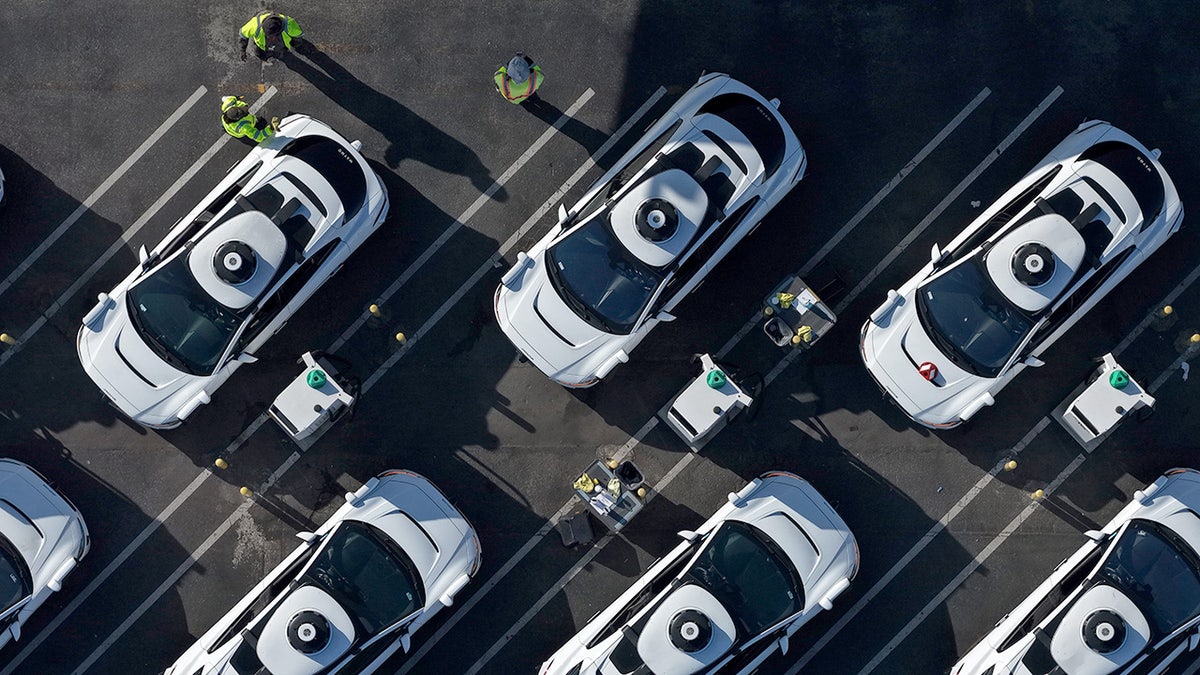
A proposal to permit driverless rideshare vehicles in Washington, D.C., has sparked significant opposition from union representatives, drivers, and religious leaders. They have voiced concerns about potential job losses due to this technological shift.
Protestors assembled outside the John Wilson Building as D.C. council members convened to discuss legislation that would allow companies like Waymo to operate autonomous vehicles commercially in the city. Their primary argument centered around the risk of displacing current rideshare drivers.
“We came out here today strongly because we feel that these robotaxis will put people out of work,” noted a protester.
Frederick from Virginia expressed his disapproval, stating that automation could jeopardize community livelihoods and reduce accessibility to essential jobs, which help people support their families.
Sabrina from Washington, D.C., echoed these sentiments, strongly opposed to robots potentially taking away driving jobs that many rely on.
Some attendees acknowledged the possibility of job reductions but proposed alternatives. Michael from Washington, D.C., suggested decreasing work hours without cutting pay, which might pave the way for more jobs in sectors like public transportation and healthcare.
The Autonomous Vehicle Deployment Authorization Amendment Act of 2026, introduced by Councilmember Charles Allen, aims to set up a program for commercial autonomous vehicles managed by the District Department of Transportation.
Waymo claims its safety data indicates significant reductions in crash rates compared to human drivers, offering potential benefits like cheaper fares without a human driver. However, protesters raised concerns that these lower prices might not last, with possible future spikes.
“That’s just something… to get our antennas up,” argued Sabrina, skeptical of long-term cost savings.
Helen from Maryland noted that existing robotaxi prices in other cities show little difference compared to traditional rideshares.
The proposal includes a regulatory framework allowing up to 200 autonomous vehicles by 2028. Companies need to demonstrate extensive testing within D.C. and ensure equitable service across all city wards.
The bill underwent a public hearing in July, but no voting date has been set. Approval from the entire council is essential before deploying self-driving cars in D.C.
Samuel Epps from the Metropolitan Washington Council, AFL-CIO, emphasized the importance of worker involvement in discussions.
“I don’t think it’s good for the city,” Eddie remarked, expressing a preference for human drivers when his children use rideshare services.
Hannah serves as a Production Assistant for the Politics team at Fox News Digital.