Changing Dynamics of Retail Theft and Legal Responses in Cook County
Earlier this month, a 29-year-old man attempted to steal two cans of alcoholic beverages from a West Side grocery store, valued at approximately $13. Despite the low value, he faces a felony retail theft charge due to his prior conviction and imprisonment for armed robbery. As Cook County Judge Luciano Panici Jr. stated, “Do not go back to that Food for Less. They do not want your business.” His case highlights a growing trend in Cook County where felony charges for retail theft are increasing.
Rising Felony Retail Theft Cases
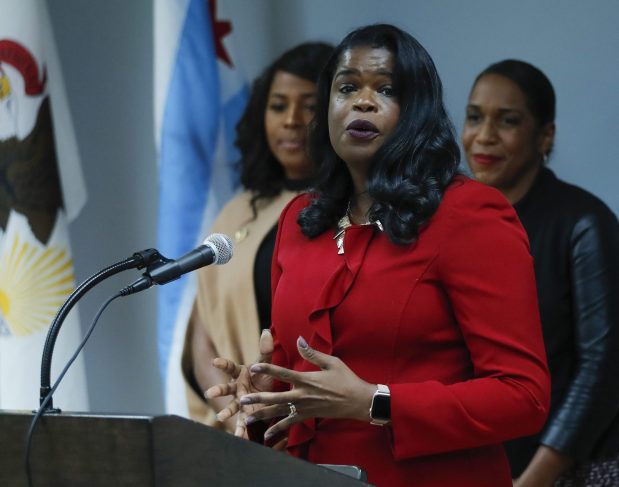
Since 2024, Cook County has seen a sharp increase in felony retail theft cases and prison admissions. This rise aligns with Cook County State’s Attorney Eileen O’Neill Burke’s decision in December 2024 to reverse her predecessor Kim Foxx’s policy. Foxx had limited felony retail theft charges to cases with stolen goods valued over $1,000, or defendants with ten or more prior felony convictions. Burke’s office follows Illinois law, charging felony retail theft on goods exceeding $300.
Alarm is growing over this increase, as retail theft is often driven by factors like poverty, mental illness, and addiction. Critics suggest alternative solutions such as job training and counseling could be more effective. The Illinois statute remains one of the strictest in the nation regarding felony theft thresholds.
Opinions Diverge on Retail Theft Policies
Kim Foxx, during her tenure, focused on reducing prison entries for low-level retail theft. In contrast, Burke’s changes have increased felony retail theft charges, citing community and business harm caused by previous policies. While retailers appreciate these changes due to tighter profit margins, critics argue the effect on theft rates is unclear.
Research suggests higher felony thresholds do not increase property crime rates. Sharlyn Grace from the Cook County public defender’s office contends these offenses often stem from inadequate support services, noting it’s costlier to incarcerate than to provide necessary aid.
Addressing Organized Retail Theft
While critics debate retail policy changes, others focus on organized crime influencing retail theft. Retail groups report that items are frequently stolen and resold, often through organized efforts. Recent incidents involve large-scale thefts, like the smash-and-grab at Michigan Avenue’s Louis Vuitton store, emphasizing a sophisticated retail theft network.
Experts like Jake Horowitz argue that incarcerating low-level offenders won’t prevent such crimes. Instead, targeting those who resell stolen goods is more effective.
Calls for Reform
Illinois’ felony retail theft laws reflect outdated thresholds, critics say. With a threshold of $300 for retail theft felonies and $500 for other thefts, the state lags behind others. Many argue for updating these laws to account for inflation and living cost increases. Most U.S. states have felony theft thresholds averaging $1,134, aligning closer to Foxx’s policy than current Illinois law.
Without legislative updates, Illinois risks having increasingly punitive laws. Advocates call for policymakers to reevaluate statutes to reflect economic changes, arguing that unchanged laws become more severe over time due to inflation.