Defense Secretary Urges Increased Defense Spending by Asian Allies
U.S. Defense Demands in Asia
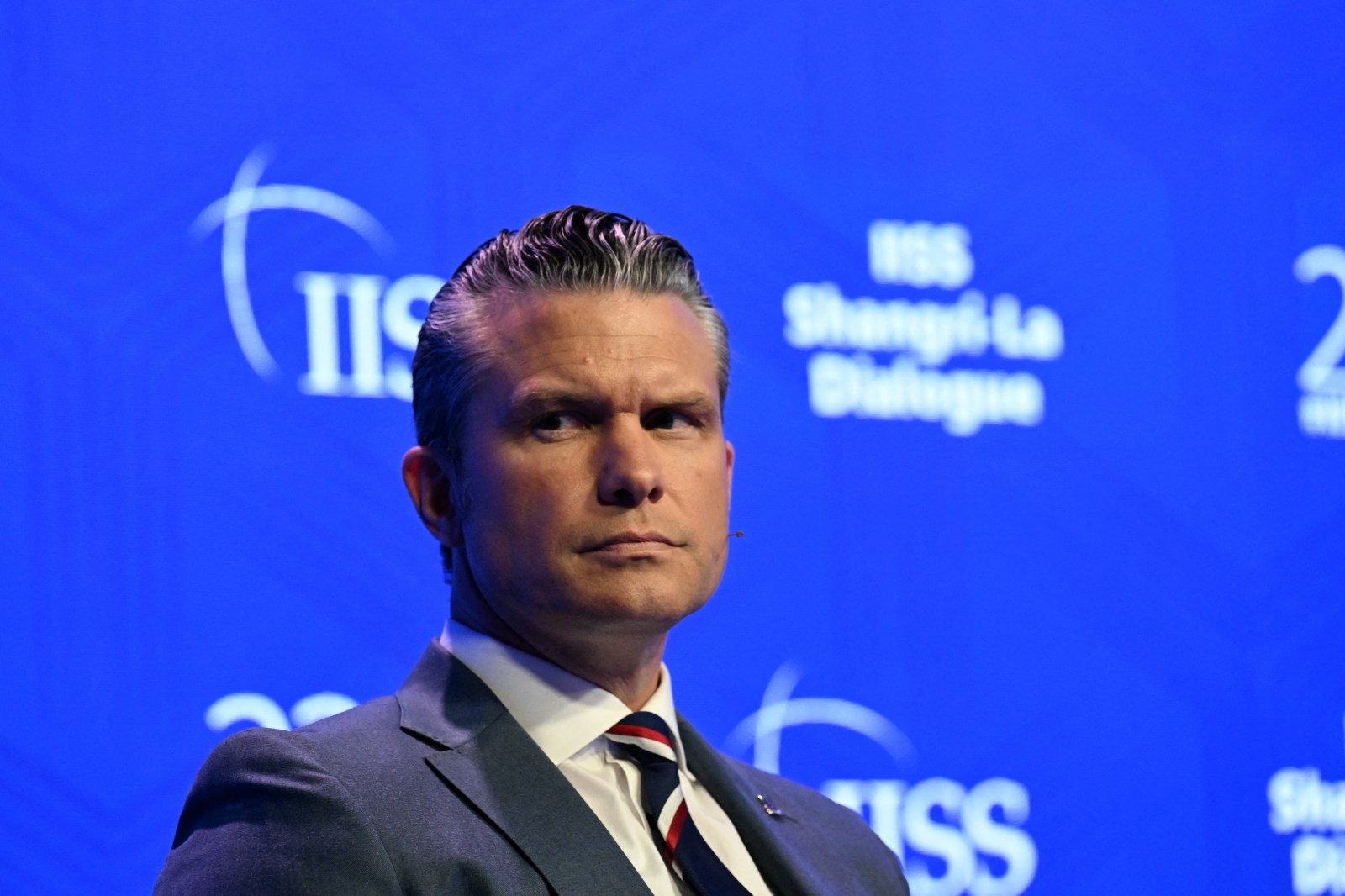
Defense Secretary Pete Hegseth has urged Asian allies to increase their defense spending. This request aligns with a strategic move to make U.S. military support more conditional in the Asia-Pacific. The region has long depended on the balance of power upheld by American military capabilities. Hegseth emphasized the need for regional partners to spend 3.5 percent of their GDP on security.
Potential Benefits and Consequences
Hegseth noted advantages for countries that align with U.S.-led defense efforts. These include expedited arms sales, joint industrial projects, and enhanced intelligence sharing. However, those not meeting their defense commitments may receive less favorable treatment from the U.S.
Newsweek contacted the White House for comment on this shift in policy.
The Importance of U.S. Security Policy
The secretary’s words suggest a shift in how the U.S. approaches its security commitments in the Indo-Pacific. American military presence has long deterred potential threats from China in this region. Hegseth’s statement follows recent tensions due to China’s military expansion and territorial disputes involving Japan and the Philippines.
Comparison with NATO Spending Goals
Hegseth’s remarks echo President Donald Trump’s concerns over the disproportionate share of defense costs the U.S. carries. Trump previously pushed NATO members toward a target of 5 percent GDP spending on defense by 2027. The 3.5 percent GDP mark proposed by Hegseth is a significant increase for many Asian allies.
Current Defense Spending Levels
Among major U.S. partners in Asia, none currently meet the 3.5 percent target. Singapore and South Korea spend around 2.8 to 3 percent of GDP on defense. Japan is nearing 2 percent, while Australia spends about 2 percent.
The Philippines as a Burden Sharing Example
Hegseth highlighted the Philippines for its commitment to sharing defense responsibilities. Despite a recent 12 percent rise in military spending, it still falls short of the 3.5 percent goal. Philippine Defense Secretary Gilberto Teodoro pointed out challenges for agricultural economies in increasing defense budgets. He highlighted the difficulty of balancing investments in infrastructure, education, and healthcare.
Economic Constraints on Defense Spending
Malaysian Defense Minister Mohamed Khaled Nordin spoke on economic challenges faced by his country. While Malaysia values U.S. partnerships, steep defense spending hikes may undermine development in other areas.
Nordin stressed that different nations have unique circumstances that affect defense spending priorities. He mentioned potential impacts on stability if defense budgets grow at the expense of other sectors.