Flying with Power Banks: Essential Guidelines
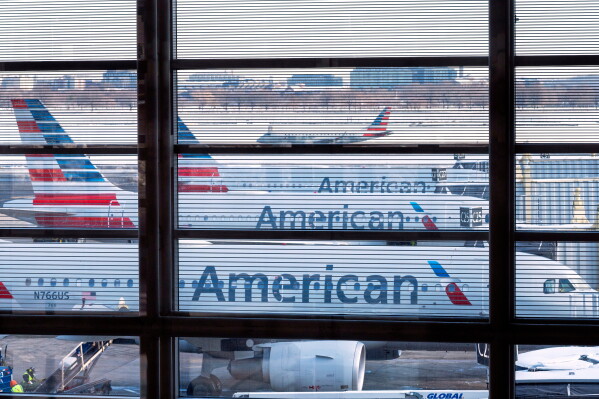
Are you preparing for air travel this summer? If you plan to bring an extra battery charger, like a power bank, for your devices, stay informed about the latest regulations for flights. Power banks can be incredibly useful for charging phones and other gadgets on the go. However, due to incidents involving smoke or fires, new guidelines have been issued by aviation authorities, and airlines have tightened passenger rules.
Power Bank Rules for Air Travel
Lithium battery chargers are not allowed in checked luggage; they must be in your carry-on. You are typically allowed two lithium ion power banks with a capacity of 100 watt-hours each without needing airline approval. This capacity is sufficient to charge a cellphone multiple times. For non-rechargeable lithium metal batteries, the limit is two grams of lithium per battery. AA and AAA batteries generally contain less than a gram of lithium.
The Federal Aviation Administration (FAA) notes that most personal electronic devices use these types of lithium batteries. Newer lithium ion batteries should have a watt-hour (Wh) rating label. If your power bank shows its capacity in milliampere hours (mAH), use the FAA’s online calculator or convert it manually. Divide the mAH by 1,000 to get ampere hours, then multiply by the device’s voltage, typically 3.7 volts. For example, a 10,000 mAH battery equals 10 ampere hours. Multiplying by 3.7 volts gives 37 watt-hours.
Bigger lithium-ion batteries with 100 to 160 watt-hours, often found in professional and medical equipment, require airline approval.
The Hazards of Stowing Lithium Power Banks in Checked Luggage
The risk of lithium battery fires is serious, exemplified by an incident in January 2025 on an Air Busan plane in South Korea. This led to the evacuation of 176 passengers. The FAA has documented nine lithium battery incidents this year, with six involving power banks. Batteries can disrupt flights, even without visible problems. Last month, an EasyJet flight was diverted when a passenger reported a power bank charging a device in checked luggage.
Lithium batteries in cargo poses danger because crew cannot quickly respond to smoke or fire. Keeping them in the cabin allows crew to manage potential fires with fire-resistant bags and gloves. The risk of short-circuiting is low but significant if it occurs. Paul Christensen from the University of Newcastle explains that a crushed, overcharged, or overheated battery can undergo ‘thermal runaway,’ producing heat and toxic gases. Inspect power banks for damage or overheating. Avoid cheap brands without quality controls as they may lead to later defects.
In-Flight Power Bank Rules
Onboard, airlines enforce strict rules for power banks. Do not store them in overhead bins; keep them accessible in the seatback pocket or under the seat. Avoid charging devices or recharging from onboard power sockets during the flight. If a battery slips under a seat, do not adjust the seat yourself, as this can damage the battery. Instead, notify a cabin crew member for safe retrieval.
Consulting Your Airline
Individual airlines and international regulations may be stricter than the FAA’s. Always confirm with your airline. For instance, Southwest Airlines announced a one-charger limit per passenger in April. Many airlines provide detailed rules for various batteries, including those in laptops, tablets, and e-cigarettes.
If you have a tech topic needing explanation, contact us at [email protected] with your suggestions for future One Tech Tip editions.