Nvidia CEO Jensen Huang Declines Senate Hearing Invitation on AI
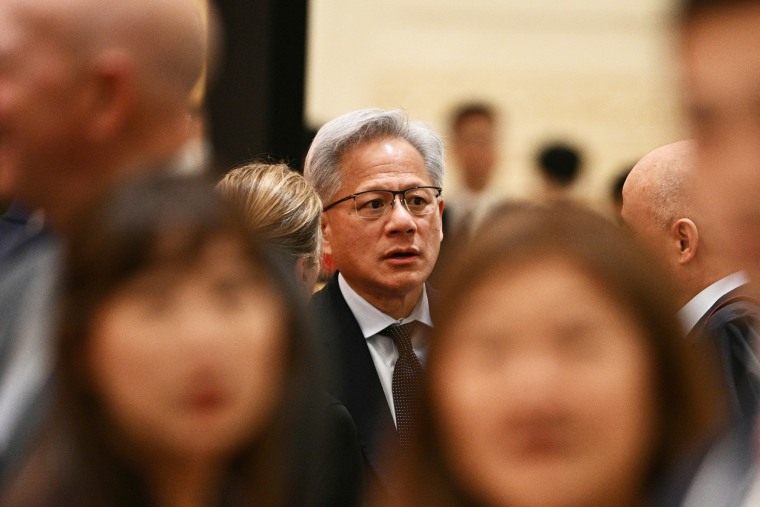
Jensen Huang, the CEO of Nvidia, has declined an invitation from Senator Elizabeth Warren to testify at a Senate committee hearing about AI development in the United States. The hearing, organized by the Senate Committee on Banking, Housing, and Urban Affairs, is set to explore AI’s impact on innovation, affordability, and technological dominance in America.
Senator Warren’s interest in Nvidia’s CEO stemmed from the company’s business activities in China and its stance on export controls. These controls play a crucial role in regulating the overseas sale of American AI technology. In a statement, Warren criticized Huang’s decision, suggesting that his availability for high-profile events should extend to participating in congressional inquiries.
Nvidia holds the title of the world’s most valuable company, with a market capitalization exceeding $5 trillion. The firm is known for designing high-end chips and hardware, serving as the backbone for contemporary AI systems.
Huang, in his letter to Warren, expressed his inability to attend the hearing but acknowledged the importance of the issues being addressed. He emphasized the significance of American leadership in AI technology. Huang extended an invitation to Warren or any committee member to visit Nvidia’s headquarters in Santa Clara for discussions on their technology and the American AI ecosystem.
Huang, a member of President Donald Trump’s Council of Advisors on Science and Technology, has consistently advocated for broader international sales of Nvidia chips. He has not previously testified before Congress. He has stressed the necessity of American companies maintaining competitive technology, especially when dealing with markets like China.
Senator Warren has raised concerns about Huang’s lobbying efforts, arguing that increasing Nvidia’s overseas sales could bolster China’s military capabilities and undermine U.S. technological superiority.
Nvidia did not comment on this issue. Recent efforts by the U.S. Commerce Department aim to tighten export control measures to prevent the export of powerful AI chips to countries with existing bans.
As Washington debates export control policies, there are differing opinions. Some argue that selling American chips internationally is key to driving innovation and competitiveness. However, others assert that AI chips necessitate careful monitoring due to their potential military applications abroad.
The Senate committee’s upcoming panel will include experts from D.C. think tanks and advocacy organizations. These experts will discuss America’s stance on AI export controls. Scheduled participants include Mike Flynn from The Information Technology Industry Council, David Feith of the Hudson Institute, Will Rinehart from The American Enterprise Institute, and Dr. Sarah Myers West from the AI Now Institute.