Pastor Willy Rice Elected President of the Southern Baptist Convention
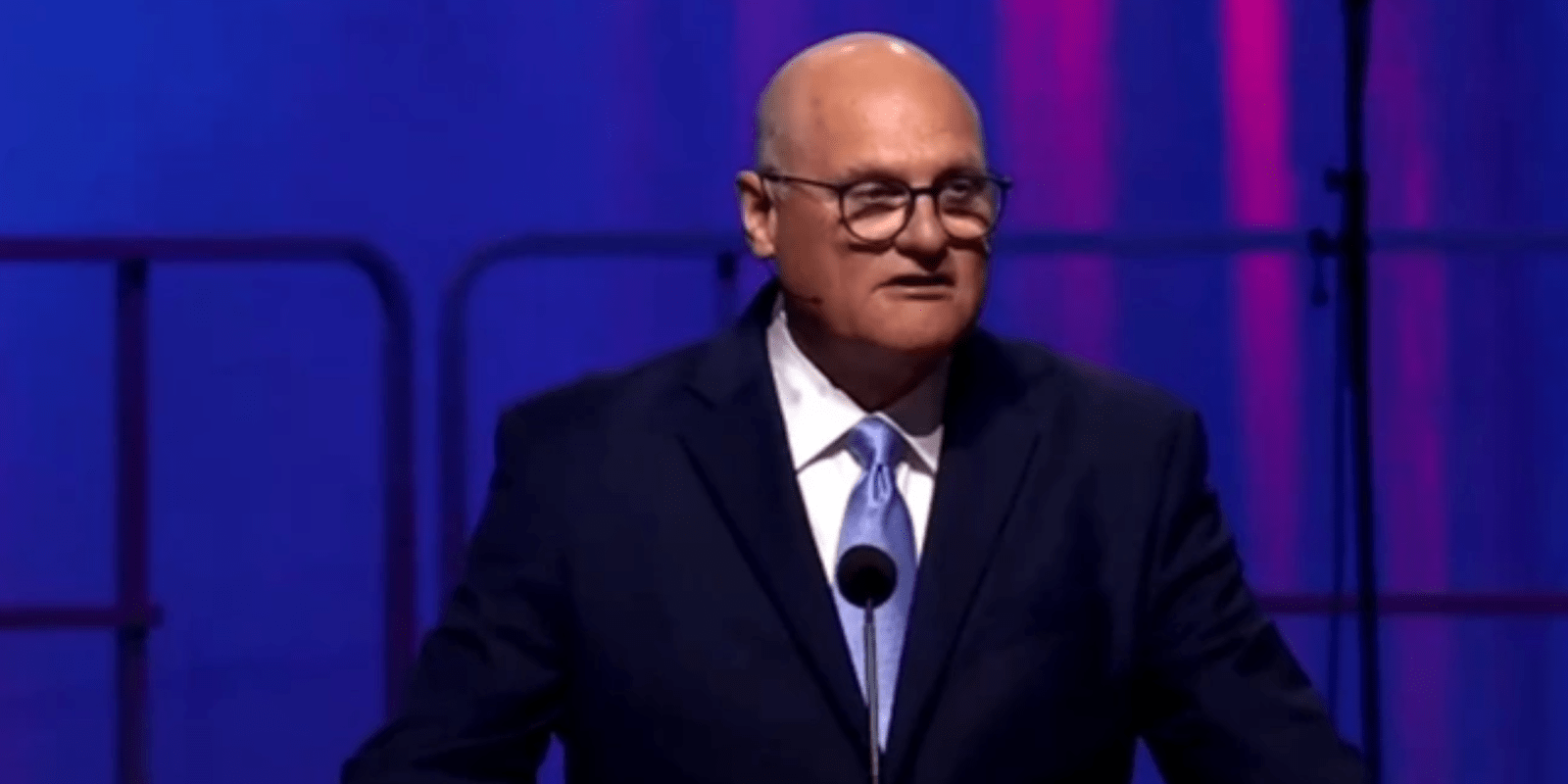
Pastor Willy Rice has been chosen as the president of the Southern Baptist Convention (SBC) with the backing of a former staffer from President Donald Trump’s administration. Despite his election, Rice has not always spoken favorably about Trump. His leadership represents a shift toward more conservative ideologies within the SBC, the largest Protestant denomination in the nation.
Rice’s Ideological Stance
Rice has voiced critical opinions on the SBC’s handling of sexual abuse cases, stating the move towards social justice has been excessive. He called for a resurgence of conservative values and warned the church of becoming obsolete like Blockbuster or Kodak if changes are not made. Rice criticized the denomination for becoming overly ‘woke’ and his election was welcomed by factions like the Center for Baptist Leadership, which sees it as a return to conservative roots.
Who Is Pastor Willy Rice?
Rice serves as the senior pastor at Calvary Church in Clearwater, Florida, and has been a notable figure in the Southern Baptist community for decades. He secured his position as SBC president with approximately 57 percent of the vote, defeating Josh Powell, a pastor from South Carolina, at the 2026 annual meeting in Orlando.
Rice’s election is seen as a victory for the conservative bloc within the SBC, which argues that the denomination has drifted too far into liberal territory on topics such as race, gender, and politics. He has emphasized the importance of faith over cultural conformity and has taken strong positions on doctrinal issues, such as supporting a ban on women pastors and advocating stricter theological boundaries.
In 2022, Rice withdrew from the presidential race due to concerns about the sexual misconduct of a deacon in his church. He explained that the misconduct was not criminal and occurred before the deacon’s conversion. Rice acknowledged that allowing the deacon to continue serving was inconsistent with the church’s stance against sexual abuse.
Rice’s educational background includes a Master of Divinity Degree and Doctor of Ministry degree from New Orleans Baptist Theological Seminary. He graduated from Samford University in 1985. He and his wife, Cheryl, have three children and six grandchildren.
Trump-Era Influences
Rice’s victory has been supported by conservative networks within the SBC, aligned with the Trump era’s political advocacy. Notable supporters include the Center for Baptist Leadership, led by William Wolfe, a former Trump administration member.
Wolfe praised Rice’s victory as evidence of a call for conservative reform within the SBC. However, divisions persist over the church’s relationship with political figures. Rice dismissed controversies surrounding supporter statements, emphasizing the importance of listening and understanding differing perspectives.
Rice’s Views on Donald Trump
Rice’s stance on Trump is complex. He has criticized depictions of Trump as Christ-like, stating that only God deserves worship. While appreciative of some actions by Trump’s administration, Rice has cautioned against idolizing political leaders.
Following the January 6 Capitol attack, Rice criticized the evangelical movement’s alignment with Trump, highlighting the dangers of mixing religion with politics. He warned against conspiracy theories, arguing they tarnish the church’s image and distract from its mission.
Critique of Sexual Abuse Reforms
Rice has been vocal in the ongoing debate within the SBC regarding sexual abuse reforms. He argued that reform efforts have been misdirected, causing division and financial waste without achieving meaningful solutions.
Rice expressed concern over activist-driven agendas and stressed the need to balance addressing legitimate abuse concerns without veering into political territory.
Future Challenges
Rice’s presidency coincides with a crucial juncture for the SBC, which faces declining membership, internal divisions, and public scrutiny. Key challenges during his term will include:
- Doctrinal debates: Efforts to consolidate bans on women pastors and reinforce conservative theology.
- Political engagement: Navigating tensions over the SBC’s political alignment.
- Sexual abuse response: Decisions on expanding or modifying reform efforts.
- Organizational trust: Boosting confidence among churches feeling disconnected from national leadership.
Rice’s leadership vision focuses on returning to the denomination’s core beliefs while resisting cultural influences. The effectiveness of this approach in unifying or dividing the SBC will significantly impact its future trajectory.